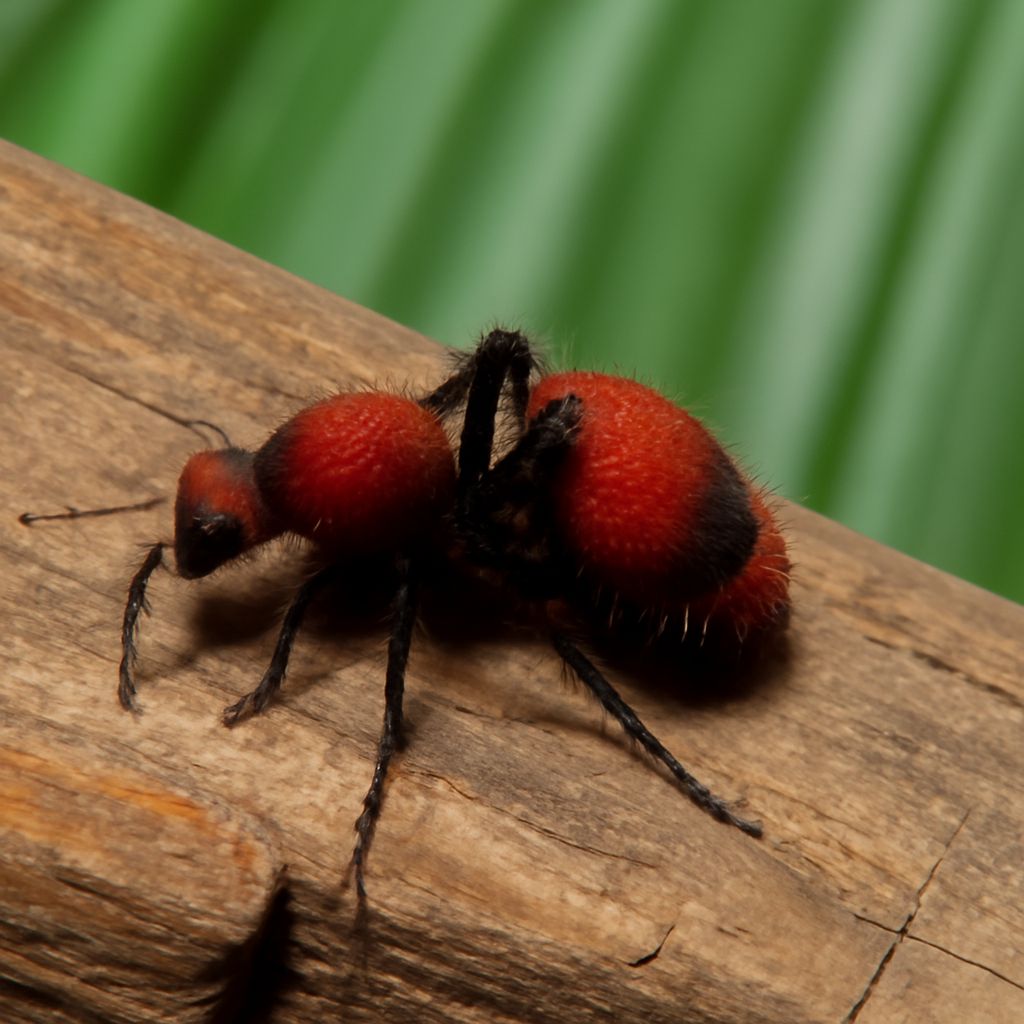
Have you ever stumbled upon a strikingly vibrant insect and wondered about its origin or name? The red velvet ant, famously known as the cow killer ant, is one such creature that piques curiosity. Understanding these fascinating insects not only enriches your knowledge but also prepares you to handle encounters safely and with confidence.
These insects are captivating for more than just their bold appearance. Discover the truth behind the cow killer, debunk myths about its danger, and explore their unique lifestyle. By the end of this article, you’ll be equipped with key facts about the red velvet ant, ensuring both safety and appreciation for this misunderstood bug.
Introduction to the Cow Killer
The cow killer ant, despite its alarming name, is actually a type of wasp. Females are wingless and covered in bright, velvety hair, usually red or orange, which makes them stand out. They are solitary creatures, often found crawling along the ground during the warm months.
The name “cow killer” does not reflect their actual threat level but rather the intense pain of their sting. While their sting is excruciating, it is not fatal to cows or humans. Understanding this helps demystify their intimidating reputation.
The Misleading Name: Cow Killer Ant
The term “cow killer ant” originated from folklore, exaggerating the pain of their sting to mythical proportions. In reality, red velvet ants do not possess venom potent enough to kill large animals like cows. Instead, the sting serves as an effective defense mechanism against predators.
Encountering a red velvet ant may leave a lasting impression due to their unique appearance and the tales surrounding them. By recognizing them for what they truly are, solitary and non-aggressive, you can appreciate these insects without undue fear.
Habitat and Behavior of the Red Velvet Ant
Red velvet ants are commonly found in dry, sandy areas such as fields, pastures, and meadows. They thrive in warm climates, often spotted during the summer months. Their habitats allow them to lay eggs in the nests of ground-dwelling bees and wasps, where their larvae consume the host pupae.
These ants are solitary by nature, preferring to roam alone rather than forming colonies. Their long legs and strong exoskeletons make them well-adapted for traversing rugged terrains. Observing them in their natural habitat can offer insights into their solitary yet industrious lives.
Safety and Misconceptions About the Cow Killer Bug
While the cow killer bug might look intimidating, it is not as dangerous as folklore suggests. The primary safety concern is their painful sting, which is more of a deterrent than a health threat. When encountering a red velvet ant, it’s best to observe from a distance and avoid handling them.
Misconceptions about these insects often lead to unnecessary fear. Educating yourself and others about the cow killer can dispel myths and promote safe interactions with the natural world. Remember, despite their fearsome reputation, they play a role in the ecosystem as both pollinators and predators of pests.
In summary, the red velvet ant captivates with its vivid appearance and folklore-laden name. By understanding their true nature and behavior, you can appreciate their role in nature while knowing how to handle encounters with care.