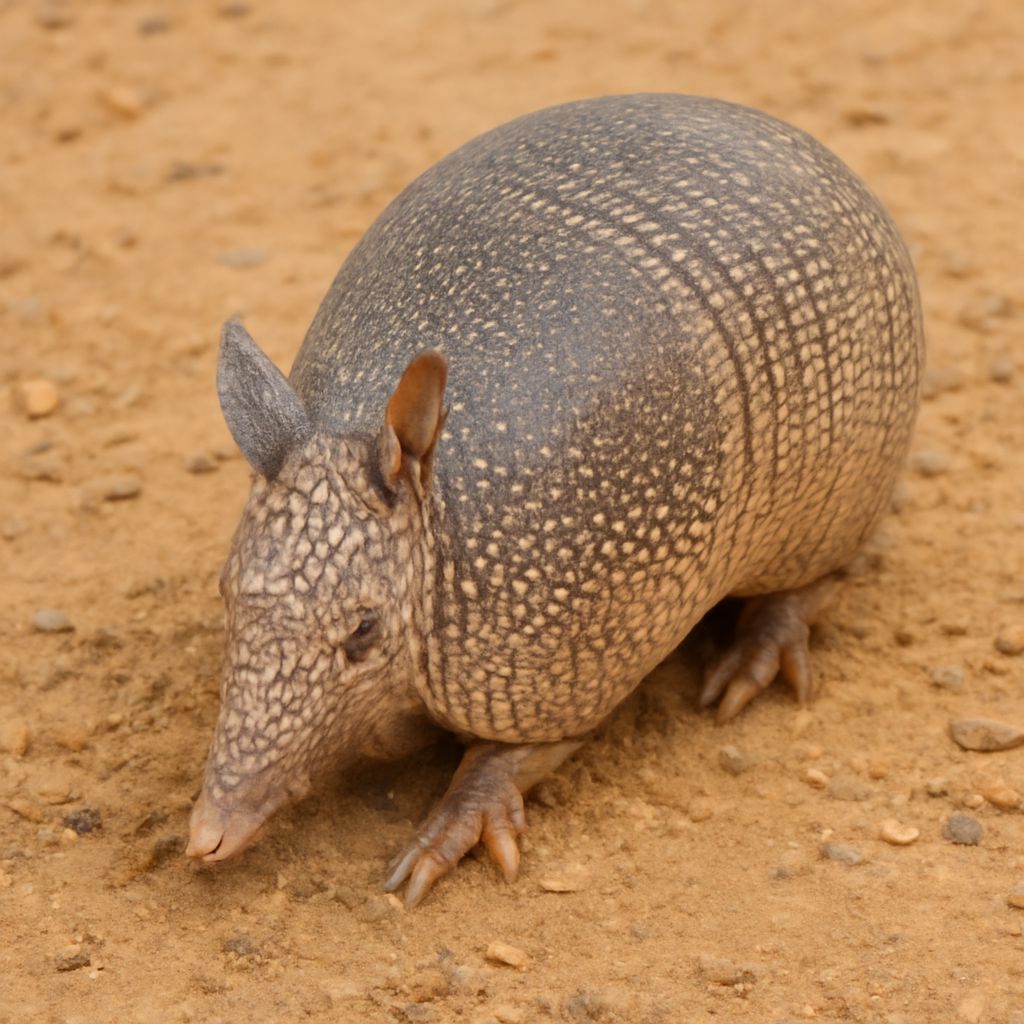
Discover the intriguing world of armadillos, where you’ll find a captivating blend of unique traits and diverse habitats. Exploring the types of armadillos not only enriches your understanding but also deepens your appreciation for the natural world. As you delve into armadillo habitat and species, you’ll uncover the fascinating adaptability of these creatures across various regions.
Whether you’re a wildlife enthusiast or simply curious, learning about the armadillo’s lifestyle offers insights into their survival strategies. From investigating different armadillo species to appreciating their role in the ecosystem, each aspect enhances your everyday interaction with nature.
Introduction to Armadillos
Armadillos are small to medium-sized mammals known for their distinctive armored shells. These creatures, which fall under the order Cingulata, are primarily found in the Americas. With their unique ability to curl up into a ball, they protect themselves from predators, providing a remarkable example of nature’s ingenuity.
Their habitats range from grasslands to forests, with some species even adapting to urban areas. Understanding these habitats gives you a glimpse into how armadillos thrive in diverse environments, showcasing their resilience and adaptability.
Understanding Armadillo Habitat
Armadillo habitat is as varied as the creatures themselves. They are commonly associated with warm, temperate regions, but you can find them in rainforests, deserts, and even suburban areas. Their burrowing behavior is crucial for survival, offering refuge and helping regulate body temperature.
When exploring armadillo habitat, you’ll notice their preference for areas that provide ample food and shelter. These environments allow them to dig for insects, their primary diet component, while staying protected from harsh weather conditions.
Diverse Armadillo Species
Within the armadillo family, there are several species, each with its own set of characteristics. The nine-banded armadillo is perhaps the most well-known, especially in the southern United States. It is recognized for its ability to expand its range across various habitats.
Understanding different armadillo species helps you appreciate their evolutionary journey. From the pink fairy armadillo to the giant armadillo, each species has adapted uniquely to its environment, showcasing nature’s diversity.
Exploring Types of Armadillos
Exploring types of armadillos unveils the breadth of variation within this group. The nine-banded armadillo, for instance, is noted for its wide distribution and adaptability. Meanwhile, the pink fairy armadillo remains a lesser-known but equally fascinating species, inhabiting the deserts of Argentina.
Each type of armadillo has evolved to meet the demands of its environment. Learning about these types provides a deeper understanding of their roles and contributions to the ecosystems they inhabit.
Armadillos in Everyday Life
Incorporating knowledge of armadillos into everyday life can enhance your connection with nature. Whether through conservation efforts or simply observing them in your local area, these creatures offer an opportunity to engage with the natural world. Additionally, understanding their behavior and habitat needs can influence how we manage land and urban development.
Armadillos, often seen as pests, also play vital roles in the ecosystem, such as pest control through their insectivorous diets. Engaging with them thoughtfully can lead to balanced coexistence and appreciation for their presence in our environments.