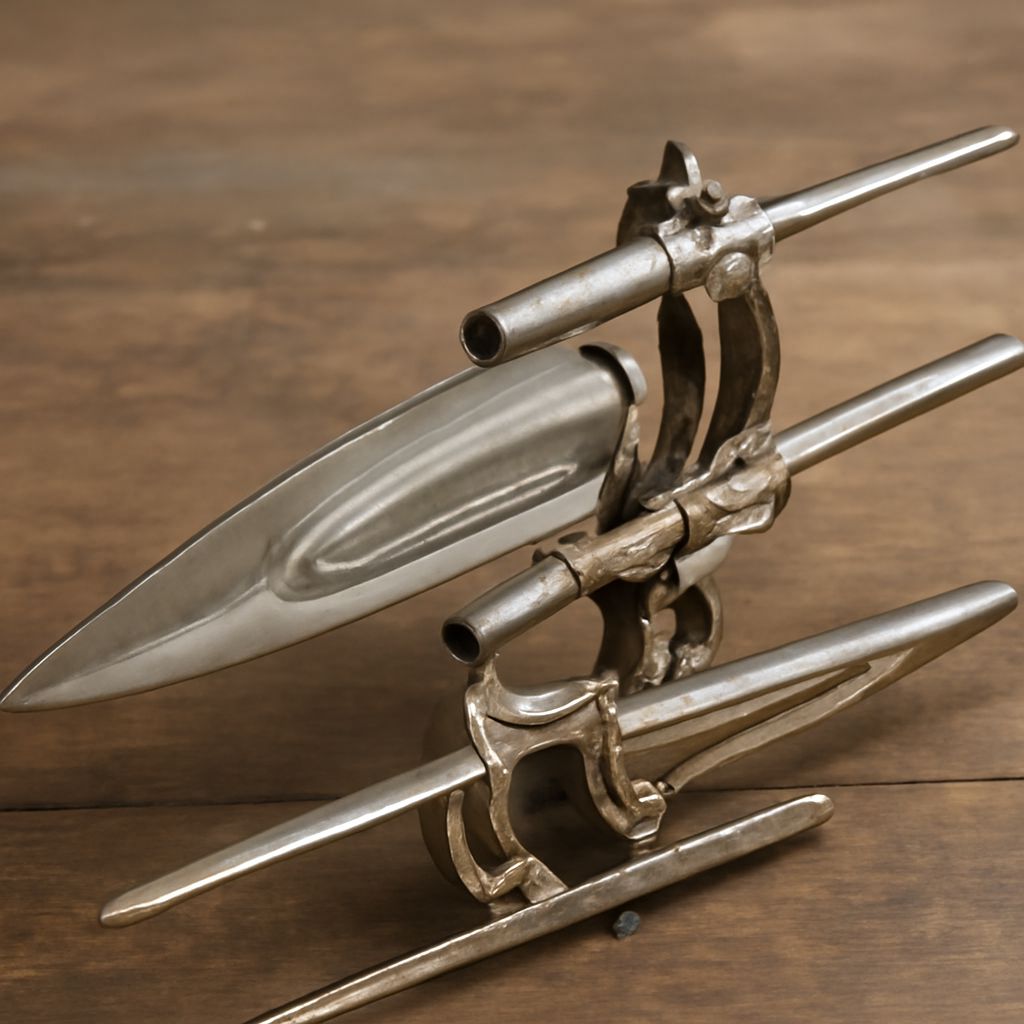
Objects from the past often shape your daily life in ways you may not realize. Among these, the katar weapon stands out as both a practical tool and an influential symbol in South Asian culture. Its form and legacy go well beyond battlefields, weaving into art, fashion, and even daily rituals.
Today, the katar sword is not just a collector’s piece—it continues to inspire design, represent strength, and connect communities to their roots. Exploring its story reveals why this iconic weapon still matters in the modern world, from its striking design to its deep cultural meaning.
The Origins and Design of the Katar
The katar weapon, also known as a push dagger, originated in India around the 14th century. Its unique design sets it apart from other blades: a H-shaped horizontal handle positions your knuckles above the blade, allowing for powerful punching thrusts. This ergonomic grip ensures you can deliver force while keeping your wrist straight, making it highly effective in close-quarter combat. Some designs feature elaborate hand guards or knuckle protection, blending function with artistry.
Traditionally, the katar sword was forged from a single piece of steel. Many feature double-edged blades ranging from 8 to 20 inches. Some are even equipped with spring-loaded mechanisms, letting the blade split into three with pressure—an engineering feat of its era. Blacksmiths often adorned katars with gold inlay, engravings, and ornate handles, transforming a weapon into a statement of status and skill.
Over generations, artisans refined the katar’s structure, making it lighter or heavier to suit different users. Royalty would commission custom pieces decorated with gemstones or motifs reflecting their lineage. Even today, you can find modern craftspeople creating replicas, paying close attention to historical accuracy and tactile detail—from blade sharpness to the smoothness of the handle grip.
Understanding the katar weapon’s form helps you appreciate its blend of practicality and beauty. When you hold a replica, the balance and weight feel precise, a testament to centuries of design evolution. Whether displayed or handled, its craftsmanship is impossible to ignore.
Katar Weapon in Historical and Modern Contexts
The katar weapon played a key role in South Asian warfare and self-defense. Warriors carried it as a sidearm, often combining it with shields or other swords for close encounters. Its ability to pierce armor made it a favorite for foot soldiers and nobility alike. Historical records describe its use in both duels and larger battles, where it proved quick and deadly in skilled hands.
Beyond the battlefield, the katar sword was a symbol of readiness and discipline. During the Mughal and Maratha periods, owning a katar often signified social rank or martial prowess. Kings and generals frequently gifted ornate versions as tokens of honor or alliances, solidifying its prestige.
In modern times, the katar weapon still captures imaginations. Museums display historical pieces, while martial arts schools in South Asia teach techniques modeled after traditional use. For collectors, authentic and replica katars remain sought-after treasures. The design even influences contemporary jewelry, belt buckles, and everyday tools—proof that its reach extends far beyond warfare.
If you attend a festival or ceremony in certain Indian regions, you might see a katar sword as part of an heirloom collection or even worn at weddings, symbolizing protection and heritage. This continued presence shows how the katar’s legacy adapts to changing times while remaining relevant to everyday life.
Symbolism and Everyday Influence of the Katar Sword
The katar sword holds a special place in South Asian society, symbolizing courage, authority, and artistic achievement. It’s featured in folklore, temple rituals, and sometimes even as a part of traditional attire. The weapon’s pointed form is often carved into architectural details and jewelry, blending martial heritage with creative expression.
Many families inherit ceremonial katars, passing them down as reminders of ancestral duty and resilience. During certain festivals, you might see symbolic reenactments where the katar weapon is honored for its role in protecting communities. Its distinct silhouette appears in dance, sculpture, and even popular media, where it evokes the strength of its historical users.
Today, the katar sword inspires not only martial artists but also designers and storytellers. Its enduring popularity comes from both its practical roots and its layered meanings—from personal defense to a broader cultural identity. When you see a katar on display or incorporated into a modern accessory, you witness the ongoing dialogue between tradition and daily inspiration.
Whether in a museum, a family shrine, or a modern household, the katar weapon bridges the distance between past and present. Its influence continues to shape how you celebrate strength, artistry, and connection in everyday life.