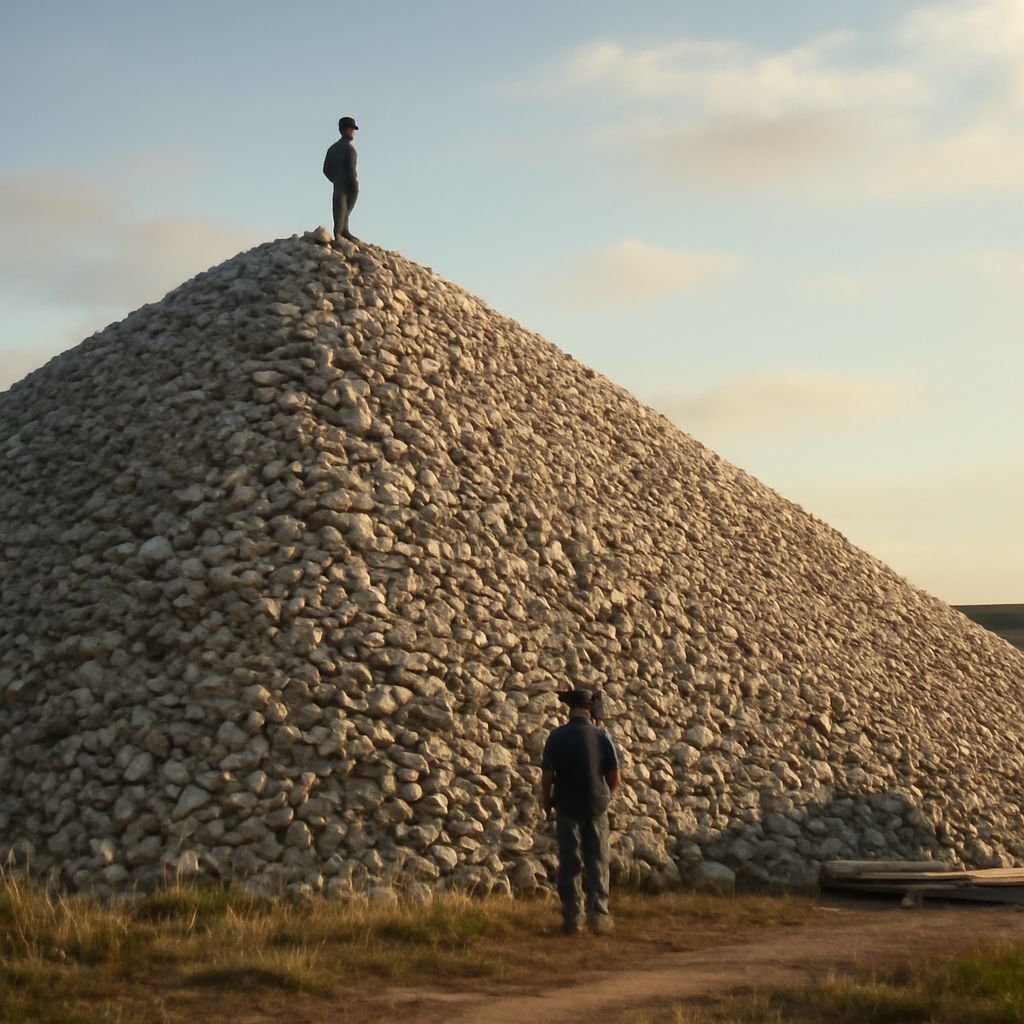
The sight of a bison skull pile evokes powerful imagery of a time when these majestic creatures roamed the vast plains of North America. This mountain of buffalo skulls stands as a stark reminder of expansive hunting practices and the consequent environmental impact. By exploring the history and implications of these piles, you can gain insights into past and present cultural shifts.
Understanding the significance of the bison skull pile allows you to appreciate how cultural attitudes toward wildlife and conservation have evolved. This reflection can inspire a more sustainable approach to our natural resources today. Discover how these piles serve as a testament to both historical abundance and human influence on the environment.
Introduction to the Bison Skull Pile
The bison, once in the millions, dominated the North American landscape. Bison skull piles, towering and haunting, were created during the 19th century. Hunters collected skulls as byproducts of mass slaughters. These piles not only symbolized economic pursuits but also marked a turning point in human-environment interaction.
Historical Context and Significance
The 1800s witnessed the relentless hunting of bison, driven by the demand for hides and meat. This activity resulted in the formation of the iconic mountain of buffalo skulls. Railroads facilitated access to previously unreachable herds, accelerating the species’ decline.
These skull piles were a direct outcome of the industrial expansion and westward migration. The bison, crucial to indigenous cultures, faced near extinction. The piles represented the loss of a keystone species and a way of life for many Native American tribes.
Environmental and Cultural Impact
The bison skull pile had profound environmental consequences. With the bison gone, ecosystems that relied on them began to collapse. Grasslands suffered, affecting other wildlife dependent on this habitat.
Culturally, the removal of bison disrupted the traditions and economies of indigenous peoples. The mountain of buffalo skulls symbolized not just the decimation of a species, but also the erosion of cultural identities deeply intertwined with the bison.
Modern Reflections and Lessons
Today, reflecting on the bison skull pile encourages a shift towards conservation and respect for wildlife. It serves as a powerful lesson on the risks of overexploitation. Efforts to reintroduce bison to their native habitats exemplify a commitment to rectifying past mistakes.
Contemporary conservation movements draw inspiration from understanding these historical impacts. By learning from the mountain of buffalo skulls, you are reminded of the importance of sustainable practices and honoring the delicate balance of our ecosystems.
Bottom line: The bison skull pile is a historical symbol of human impact on nature. By reflecting on its significance, you can foster a deeper commitment to preserving our planet for future generations.