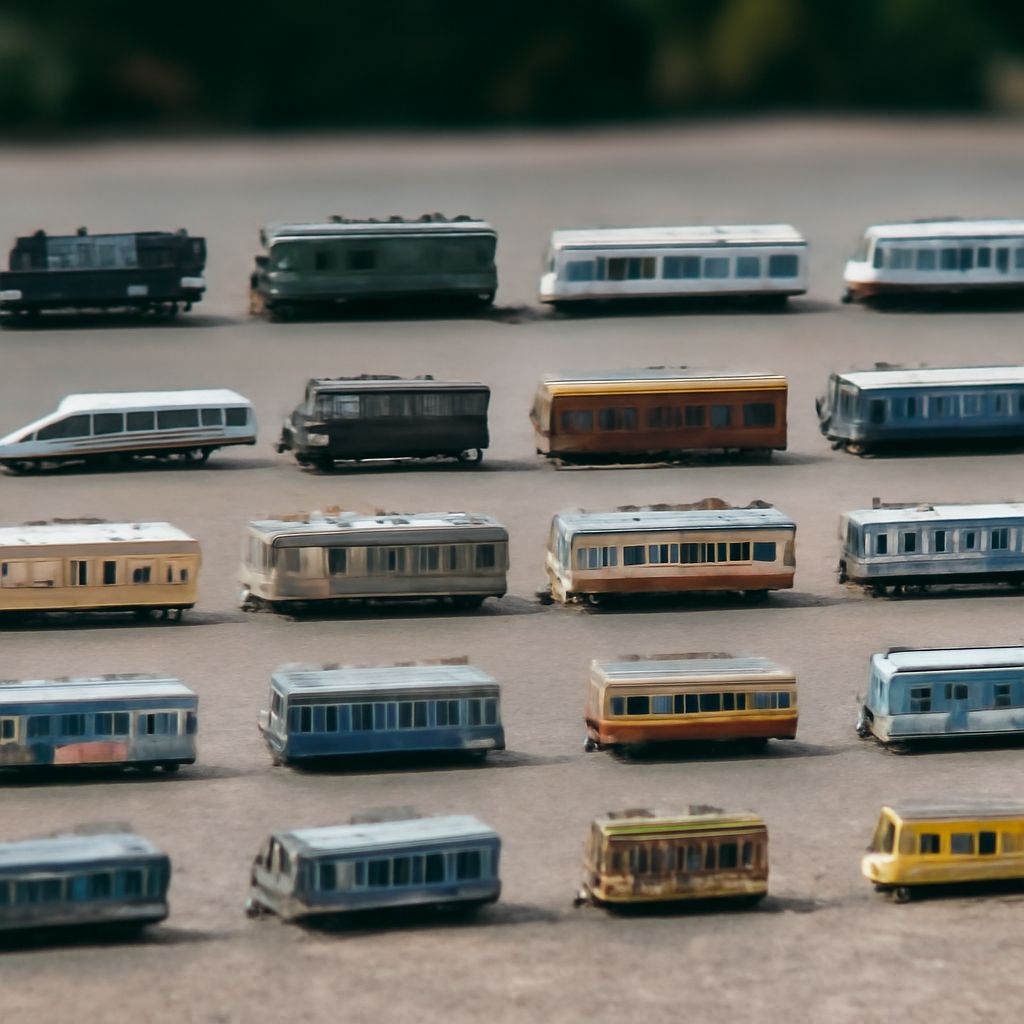
Trains power more than just daily commutes—they connect cities, move goods, and shape communities. Knowing the types of trains and what do trains run on helps you make smarter travel choices and sparks curiosity about the world zipping past your window. Whether you ride them or just see them on tracks, understanding different types of trains brings everyday life into sharper focus.
From high-speed marvels to classic locomotives, each variety depends on unique engines and fuels. Dive into these details, and you’ll discover how trains fit into modern routines and the future of transportation.
Understanding Types of Trains
When you hear “types of trains,” you might picture anything from old-fashioned steam locomotives to sleek bullet trains. Each serves its own purpose, shaped by what powers it, how it’s built, and where it travels. Passenger trains, for example, come in regional, intercity, and high-speed forms, each tailored to different distances and needs. Freight trains, on the other hand, move everything from coal to cars, often covering vast stretches with heavy loads.
Some trains are designed for crowded city routes, like subways and light rail, making stops every few minutes. Others are built for long hauls between states or countries. You’ll also find specialty trains like trams, monorails, or even luxurious tourist trains winding through scenic areas. All these forms show how the variety of trains fits into both daily routines and big adventures.
Understanding types of trains also means recognizing changes over time. Traditional engines have given way to more efficient and eco-friendly designs. The technology behind what trains run on keeps evolving, leading to quieter, faster, and greener options. This evolution shapes how you travel and impacts your environment, whether you realize it or not.
What Do Trains Run On?
At the heart of every train is the answer to “what do trains run on?” In the past, steam engines ruled the tracks, using coal and water to propel massive locomotives. You can still spot these historical giants at museums, where their hiss and chug evoke a different era. Today, diesel and electricity take center stage for most train types.
Diesel-powered trains rely on internal combustion engines, similar to large trucks but much stronger. You’ll often find freight trains and some regional passenger trains using diesel, especially on tracks that aren’t electrified. The familiar rumble and exhaust of these engines speak to their raw power and flexibility, but they do produce emissions and need frequent fueling.
Electric trains, meanwhile, run on power supplied by overhead wires or electrified rails. These trains are cleaner and usually faster, making them popular for city subways and high-speed lines. When you ride a modern metro or bullet train, you’re experiencing the benefits of electric engines—quiet, efficient, and less polluting. For many, the reliability of electric trains stands out, especially on busy commuter routes where timing matters most.
Newer innovations, like battery and hydrogen-powered trains, are starting to appear. These technologies aim to cut emissions even further and offer quieter, smoother rides. The variety in what do trains run on shapes not just how trains move, but also the sound, feel, and even the air around you when you travel.
Different Types of Trains in Everyday Life
When you step outside your door, you’re likely to encounter several different types of trains woven into daily routines. Commuter trains, like those zipping into major cities each morning, rely on punctual schedules and fast acceleration to keep life moving. Light rail and trams help you hop from neighborhood to neighborhood with ease, often blending seamlessly with street traffic.
Long-distance trains, such as Amtrak or cross-country services, stretch comfort and convenience across hundreds of miles. These are the ones where you might settle in with a book and coffee, watching landscapes change through the window. Freight trains, though less visible in city centers, play a critical background role, hauling raw materials and finished products to keep stores stocked and factories running.
Even within these groups, you’ll notice differences in speed, energy sources, and design. Modern high-speed trains offer Wi-Fi and plush seating, while classic subways focus on quick stops and durability. Specialty types of trains, like luxury tourist lines or airport transit, add unique experiences, catering to travelers’ specific needs. Each type interacts with what do trains run on—a subway’s smooth electric start feels different from a diesel engine’s growl on a rural track.
By noticing these varieties, you gain insight into how cities are planned, how goods reach you, and how innovation changes travel. These differences shape your choices, from picking the fastest route to understanding the impact of your commute on the planet.
Why Knowing Types of Trains Matters
Why should you care about types of trains or what do trains run on? For starters, it helps you make informed decisions about travel and sustainability. Choosing an electric-powered line reduces your carbon footprint, while knowing which trains offer the best comfort or speed can save you time and stress. If you’re planning a trip or daily commute, understanding the different types of trains available helps you pick the right option for your needs.
Awareness of train varieties also affects your community. Supporting cleaner, efficient train types leads to less air pollution and quieter neighborhoods. Advocating for new technology—like hydrogen or battery-powered trains—brings direct environmental and quality-of-life benefits. As more cities invest in modern transit, your knowledge can shape conversations and influence planning decisions.
On a personal level, knowing how trains work and what they run on adds a layer of appreciation to your journeys. Next time you board, pay attention to the engine’s hum, the track’s feel, and the speed at which you travel. It’s more than just a ride—it’s a window into engineering, history, and the future of everyday life.
Bottom line: Understanding the types of trains and what do trains run on opens your eyes to the world in motion around you. From daily commutes to big trips, your choices and curiosity shape how you experience—and improve—the railways that keep life moving.