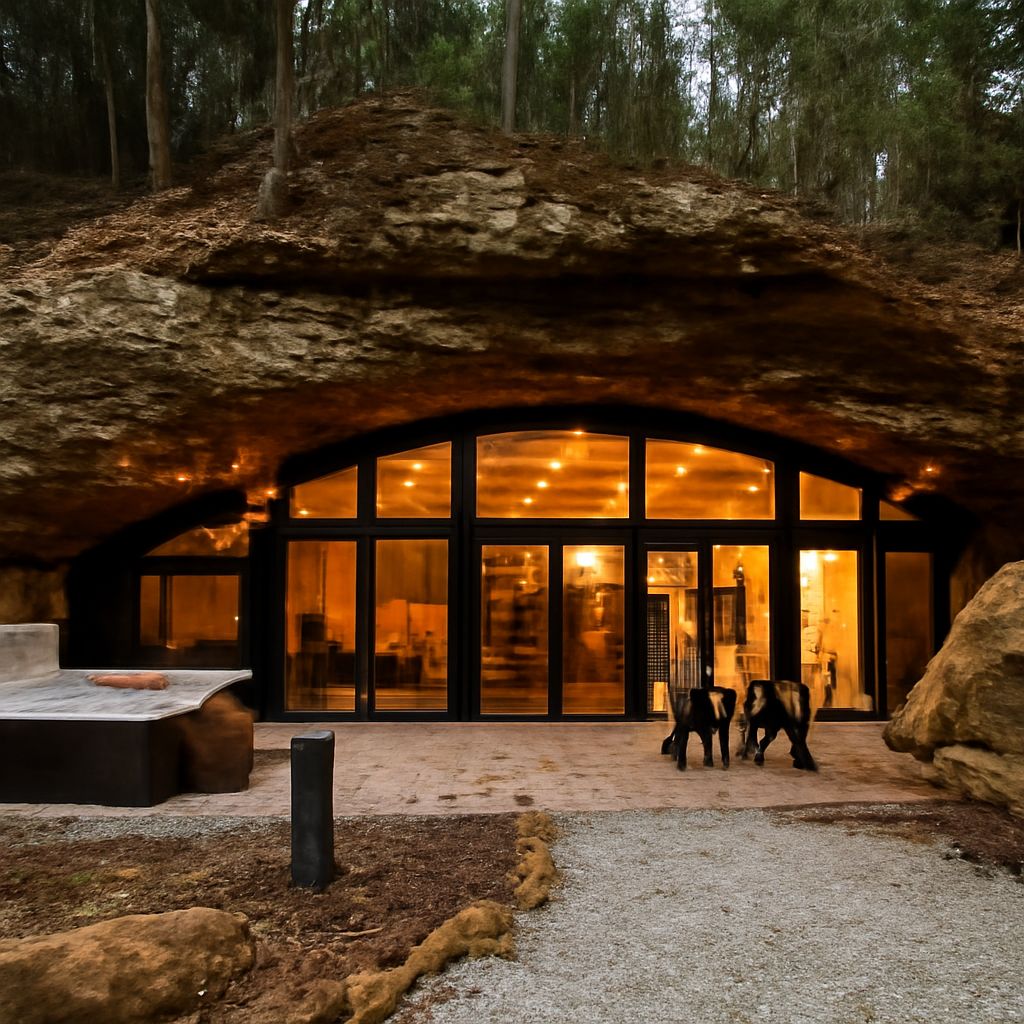
If you’re searching for a home that stands out from the ordinary, cave house living might be the perfect fit. These unique properties offer not just visual appeal, but a lifestyle rooted in sustainability and comfort. The cave house trend is gaining popularity as more buyers seek energy-efficient, eco-friendly spaces that break away from cookie-cutter real estate options.
People are drawn to cave homes for their natural insulation, earthy beauty, and one-of-a-kind layouts. Exploring cave house living opens up possibilities for distinctive architecture, reduced utility bills, and a true sense of privacy. Let’s dive into what makes these homes so special and if they could be the right real estate investment for you.
What Is a Cave House?
A cave house is a dwelling that’s either built into or carved from natural rock formations or earth. These homes can be found worldwide, from the soft stone hills of Spain’s Andalusia region to the volcanic tuff in Cappadocia, Turkey. In the United States, you’ll see examples in states like New Mexico and Arizona, where geology and history meet modern real estate innovation.
Cave homes aren’t just relics from centuries past. Many feature contemporary touches—modern kitchens, full bathrooms, and even Wi-Fi—while retaining their naturally sculpted walls and ceilings. You might find a cave house that’s part of a hillside, or one entirely underground, with windows and doors blending seamlessly into the landscape.
Living in a cave home means embracing a dwelling that’s literally shaped by nature. These structures make creative use of available materials, resulting in interiors that feel quiet, grounded, and surprisingly spacious. Thanks to thick walls and minimal exterior exposure, cave houses maintain stable temperatures year-round, no matter the climate outside.
The unique architecture and tactile details—smooth stone, cool-to-the-touch walls, and naturally formed alcoves—set cave houses apart. They appeal to buyers looking for a blend of tradition and innovation, with the added benefit of a strong connection to the land.
Benefits of Cave Homes
Choosing a cave house means reaping several practical and lifestyle rewards. The most significant advantage is energy efficiency. Thanks to natural insulation provided by earth or stone, cave homes stay cooler in summer and warmer in winter. You’ll likely notice lower heating and cooling bills compared to traditional homes—sometimes up to 80% less, depending on depth and region.
Another major benefit is soundproofing. Thick, dense walls keep outside noise at bay, making cave homes ideal for those who value peace and quiet. If you work from home or simply love tranquility, this is a standout feature.
Durability is another plus. Cave houses can withstand fire, severe storms, and even earthquakes better than many above-ground structures. Their connection to the natural landscape also means less exterior maintenance. You won’t have to repaint or re-roof every decade, reducing long-term costs and hassle.
On top of all that, cave house living supports an eco-friendly lifestyle. Many homes use passive solar design, rainwater collection, or even geothermal systems. With creative design, you can make your cave home both luxurious and green, further boosting its value in the real estate market.
Buying and Owning Cave Real Estate
Purchasing a cave house isn’t quite like buying a standard home. Start by connecting with real estate agents who specialize in unique or alternative properties. They’ll guide you toward listings that fit your budget and preferences—whether you want a move-in-ready home or a fixer-upper with potential.
It’s vital to check local building codes and zoning. Some regions have specific requirements for cave homes, especially regarding ventilation, plumbing, and emergency exits. An inspection by a structural engineer is a smart investment. Look for signs of moisture, ventilation adequacy, and any necessary reinforcements.
Financing can sometimes be a hurdle. Some lenders are hesitant about unconventional real estate, but specialized loan programs are available. Be prepared to provide extra documentation, like a detailed property survey and maintenance records. Insurance may also cost more, so shop around and compare policies.
Once you own a cave house, maintenance focuses on airflow and moisture management. Dehumidifiers, proper drainage, and periodic inspections keep your cave home healthy and comfortable. Many owners find upkeep is simpler than expected, with day-to-day tasks similar to those of conventional homes.
Is a Cave House Right for You?
Cave house living isn’t for everyone, but it’s perfect for those who crave character, sustainability, and a departure from the norm. If you enjoy natural materials, energy savings, and privacy, a cave home could be a dream come true.
Think about your priorities: Are you ready for the unique quirks of a cave house, like unconventional room shapes or the need for specialized maintenance? If so, the benefits—from comfort to eco-friendliness—are hard to beat.
Touring several cave homes is the best way to decide. Touch the walls, notice the quiet, and step into rooms filled with diffused natural light. Ask current owners about their daily routines and any surprises they’ve encountered. You’ll gain insight into both the joys and the realities of this unique real estate option.
For many buyers, a cave house represents more than shelter—it’s a chance to live in harmony with the land and enjoy a lifestyle rooted in innovation and tradition. If these qualities speak to you, cave homes might just be your next perfect move.