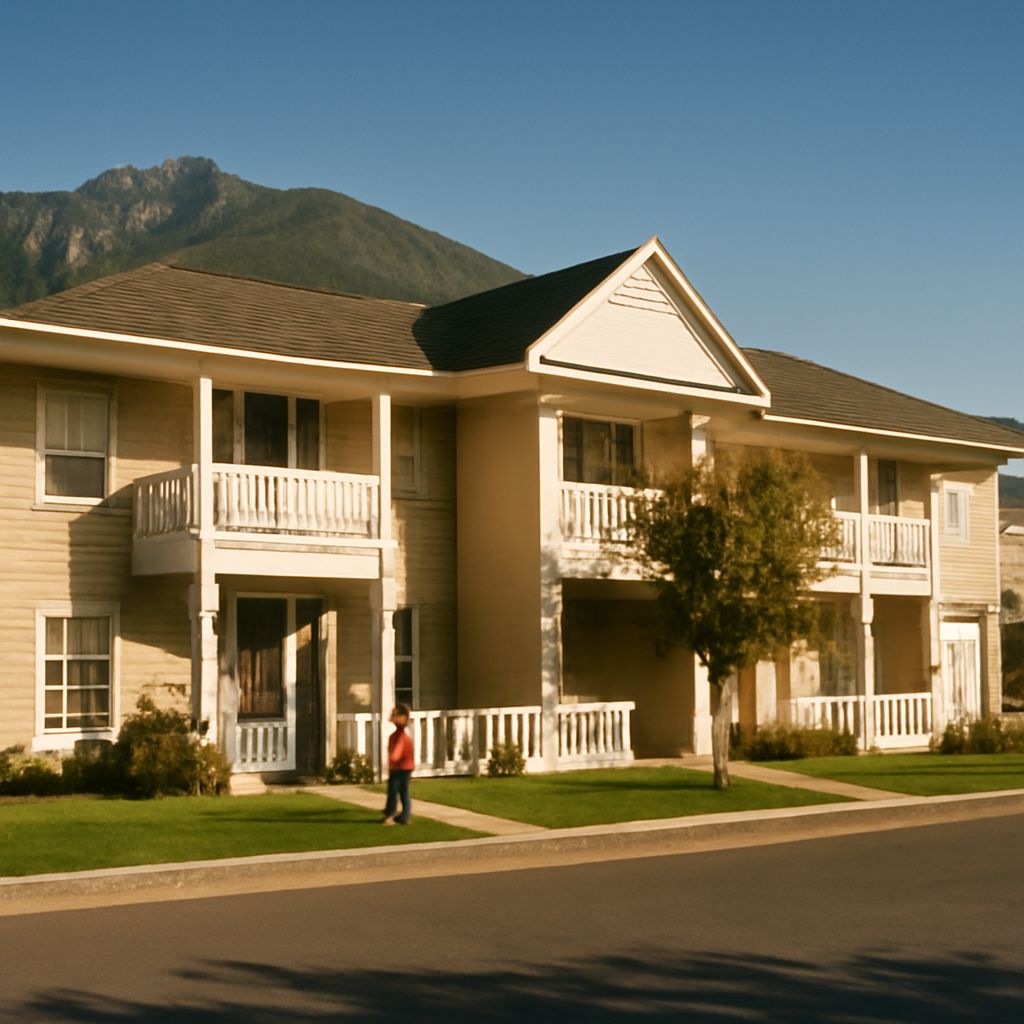
Finding a comfortable home shouldn’t mean stretching your budget thin. Based on income apartments offer a practical solution, giving you access to safe, well-maintained housing where your rent is tailored to what you can afford. These options are designed to support different needs—whether you’re a senior on a fixed income or someone living with a disability seeking accessible features.
Low income apartments for seniors and disability apartments both ensure stability and security. With the right guidance, you can discover housing that meets your needs, supports your lifestyle, and gives you peace of mind about your finances.
Understanding Based on Income Apartments
Based on income apartments are rental units where the amount you pay for rent is directly connected to your earnings. Sometimes called income-restricted or subsidized housing, these apartments use government programs such as HUD’s Section 8 or local housing authorities to keep rents affordable. Typically, you pay about 30% of your adjusted gross income, and the housing program covers the rest.
To qualify, you’ll need to provide proof of income and sometimes additional documents like bank statements or tax returns. Eligibility is usually determined by local median income levels and family size. These apartments serve a vital role in many communities, helping people who might otherwise struggle to pay for market-rate housing.
One clear advantage is stability. Monthly rent remains predictable even if your income changes. Many based on income apartments offer features like on-site maintenance, security, and community amenities. If you’re on a tight budget or fixed income, these properties provide a reliable pathway to stable housing that fits your financial reality.
Keep in mind, there can be waitlists. Applying early and following up regularly with housing authorities can give you the best chance for an available unit. Local nonprofit groups often provide help with paperwork and explain your options in detail.
Low Income Apartments for Seniors
Low income apartments for seniors focus on residents aged 55 and older, often designed to meet the unique needs of aging adults. Properties may offer features like grab bars, elevators, or emergency call systems. Rent is calculated using the same income guidelines, making it possible for seniors on Social Security or retirement to afford a safe home.
Living in these apartments often means joining a community of peers. You might find shared spaces for recreation, health and wellness programs, or group activities. These amenities foster connections and support, reducing isolation and increasing overall well-being.
The application process for low income apartments for seniors usually requires documentation of age and income. In many cases, you’ll find both public and private developments. Some are managed by local housing authorities, others by nonprofit organizations or faith-based groups. Waitlists can vary: a unit might become available within a few months, or you may wait a year or more, so applying to several options at once is smart.
Many seniors find these homes free up monthly budgets for healthcare, groceries, and daily needs. They also offer peace of mind, with emergency response features and maintenance included. If you’ve spent years worrying about rent increases, moving into a based on income apartment can make retirement more comfortable.
Disability Apartments: Accessible Living Solutions
Disability apartments are specifically designed for people living with physical, sensory, or cognitive disabilities. Like other based on income apartments, they feature rents calculated according to what you can pay. However, these homes include extra accessibility features such as ramps, lower countertops, wider doorways, roll-in showers, and visual alarms for safety.
Qualifying for disability apartments often means providing proof of your disability status, along with income information. The application may ask for medical records or documentation from your doctor or a government benefits agency. Once approved, you can benefit from an apartment customized for comfort and independence.
Beyond the physical features, many disability apartments are located near public transportation or include on-site support services. You may be able to access in-home care, personal assistance, or regular community programming. This combination of affordability and accessibility helps you live more independently and participate fully in daily life.
Many communities have a limited supply of these units, and demand is high. Start looking early and reach out to advocacy organizations for help navigating the process. Knowing what features you need, such as grab bars or step-free entries, will help you identify the right fit more quickly.
How to Find and Apply
The search for based on income apartments often begins with your local housing authority’s website. You can use online tools to narrow your list by location, age requirements, or accessibility features. Calling property managers directly is also helpful—sometimes vacancies aren’t listed online, or staff can tell you about upcoming openings.
Gather all required documentation before starting your application. You’ll usually need recent pay stubs, benefit award letters, identification, and sometimes references. Filling out several applications at once increases your chances, especially if you are considering both low income apartments for seniors and disability apartments.
Stay organized by keeping a checklist of submitted applications and following up every couple of weeks. Nonprofit housing counselors, local senior centers, and disability organizations often provide free assistance with paperwork or answer questions about eligibility and waitlists.
Taking proactive steps and knowing what to expect can speed up your search. With patience and persistence, you’ll find an affordable, comfortable place that feels like home—one that supports your needs and your budget.