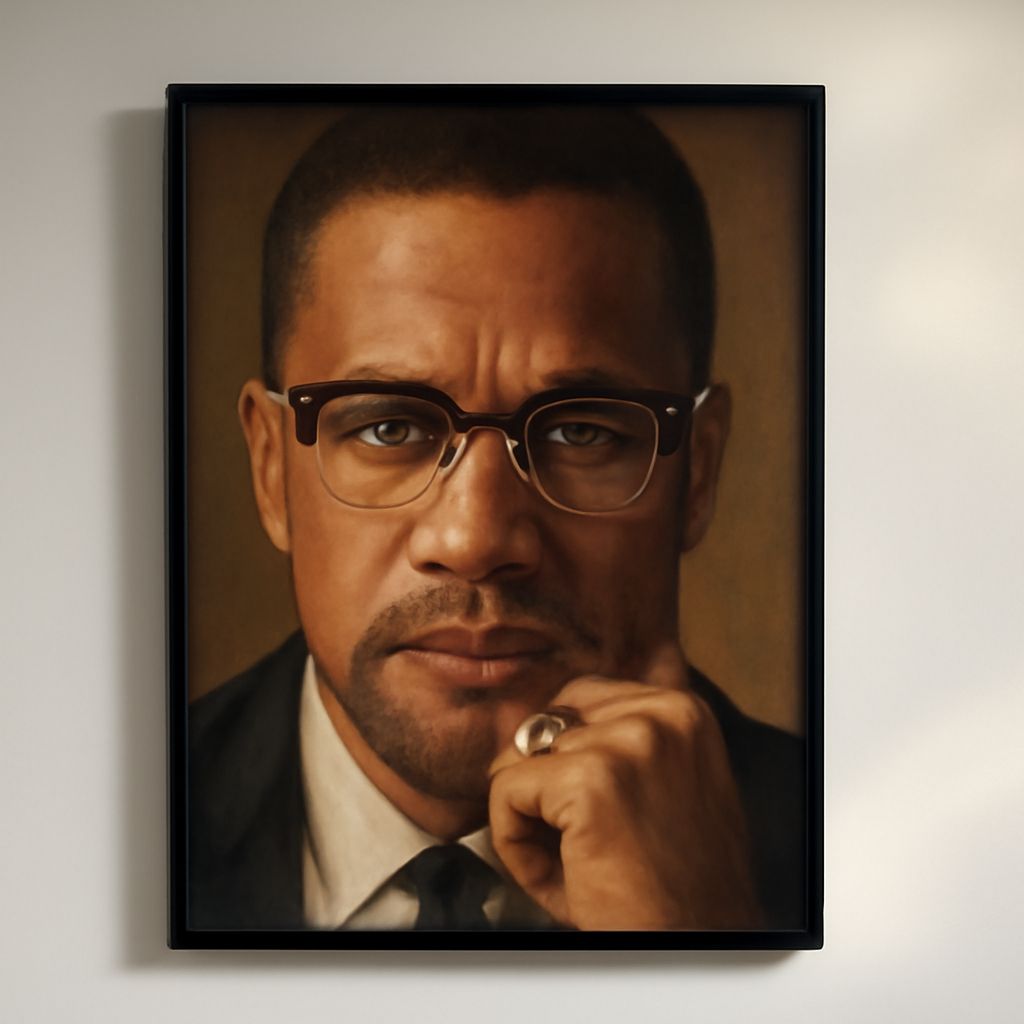
Photography has a unique power to connect you with history, letting you see the world through someone else’s eyes. When you encounter a Malcolm X color photo, you’re not just looking at an image—you’re witnessing a moment that helped shape the story of civil rights in America.
Malcolm X photo history isn’t just for scholars or collectors. Learning the basics behind these photographs can deepen your appreciation for photography and help you create meaningful images of your own. Let’s explore what makes these photos so iconic and how you can apply their lessons to your own photography journey.
The History of Malcolm X Photos
Images of Malcolm X span black-and-white film to vibrant color prints, reflecting the shifts in both technology and social change from the 1950s to the mid-1960s. Early photos show him as a passionate speaker and organizer, often captured during rallies, lectures, and community meetings. Each frame immortalizes a pivotal moment from the era.
With the rise of color film in the late ’50s and early ’60s, photographers began to create more realistic images of leaders like Malcolm X. These color photographs provide a fresh perspective and allow you to see subtle details—like the textures of his suits, the intensity in his gaze, and the surrounding environment—that black-and-white couldn’t always convey.
Malcolm X photo history also shows the evolution of photojournalism. Magazine covers, news features, and even personal snapshots contributed to the public image of Malcolm X. Photographers such as Eve Arnold and Gordon Parks created some of the most enduring portraits, using both candid and posed shots to reveal his dynamic personality. Examining these historic images helps you better understand both the subject and the era.
Significance of Malcolm X Color Photo
A Malcolm X color photo stands out not only for its technical achievement but for its cultural impact. Seeing Malcolm X in color makes him feel immediate and real, bridging the gap between past and present. These photographs allow you to notice the vibrancy of his attire, the decor of meeting spaces, and even the expressions of people around him.
The significance of these photos also lies in their ability to humanize a figure often seen only through headlines or speeches. Color images break down barriers, offering a glimpse of Malcolm X as both a leader and a person. You can observe details like the subtle warmth in his smile or the seriousness in his preparation before a speech. These tactile moments help make the struggles and victories of the civil rights era more relatable.
Additionally, Malcolm X color photo moments have influenced photographers to consider how color can tell a deeper story. When you study these photos, you see how lighting, background tones, and even shadows contribute to the overall mood. Using color thoughtfully in your own photography can help you deliver messages that resonate just as powerfully.
Photo Basics: Capturing Historic Figures
If you want to capture powerful portraits of influential people, understanding the basics is essential. Start by considering your composition. Notice how classic images from Malcolm X photo history use leading lines, balanced framing, and controlled depth of field to focus attention where it matters most. Placing your subject off-center or using foreground elements can add visual interest and context.
Lighting is another key factor. Many iconic Malcolm X portraits use natural light from windows or simple studio setups, emphasizing his features without harsh contrasts. Experiment with natural and artificial light sources to see how they shape your subject’s mood and expression. Try taking photos at different times of day and measure the difference in color temperature—it makes a visible change in your results.
Technical basics also include camera settings. For crisp detail, use a mid-range aperture (like f/5.6 to f/8) and a shutter speed fast enough to freeze motion—especially for candid moments. If you’re shooting color, check your white balance to avoid unwanted color casts, just as professional photographers did when creating Malcolm X color photo prints.
Tips for Photographing Iconic Images
Great photographs don’t happen by accident. Plan your shots with intent, just as photojournalists did when documenting milestone events. Scout your location ahead of time and look for unique angles or backgrounds that make your image stand out. Even a small change in perspective can add meaning and context.
Engage with your subject to bring out authentic expressions. Malcolm X photo history shows how interaction between photographer and subject leads to more engaging portraits. Spend a few minutes talking or sharing your vision—your images will feel more personal and memorable.
Lastly, review your photos with a critical eye. Zoom in to check details, adjust your editing for accurate color representation, and consider how every element in the frame tells part of the story. Studying iconic images, from a famous Malcolm X color photo to classic civil rights photography, equips you to create photos that resonate for generations.