Outdoor Wedding Planning: Ceremony, Reception, and Venue Tips
An outdoor wedding gives you natural backdrops, open air, and the kind of light that photographers dream about. But planning one requires more preparation than an indoor event. Your outdoor wedding ceremony needs a weather contingency, your outdoor wedding reception needs lighting after sunset, and your venue choice sets the ceiling for everything else. A small outdoor wedding done well outshines a large indoor one that runs on autopilot.
This guide walks through the key decisions: choosing small outdoor wedding venues that match your headcount and logistics, setting up an outdoor wedding reception that flows naturally into evening, and managing the variables that make outdoor events succeed or fail.
Choosing Small Outdoor Wedding Venues
What to Look for in a Venue
Small outdoor wedding venues that work well have a few things in common: a clear sightline for ceremony photos, a covered backup area within 50 feet, and parking that doesn’t require shuttles. Botanical gardens, private estates, vineyard properties, and state parks all offer these basics at price points below traditional ballrooms.
Visit your shortlisted small outdoor wedding venues at the same time of day your ceremony is scheduled. The sun position at 4 p.m. in September is very different from noon. This visit shows you exactly where shadows fall, where the light direction points, and whether your guests will be squinting into the sun during your outdoor wedding ceremony.
Backup Plans Are Non-Negotiable
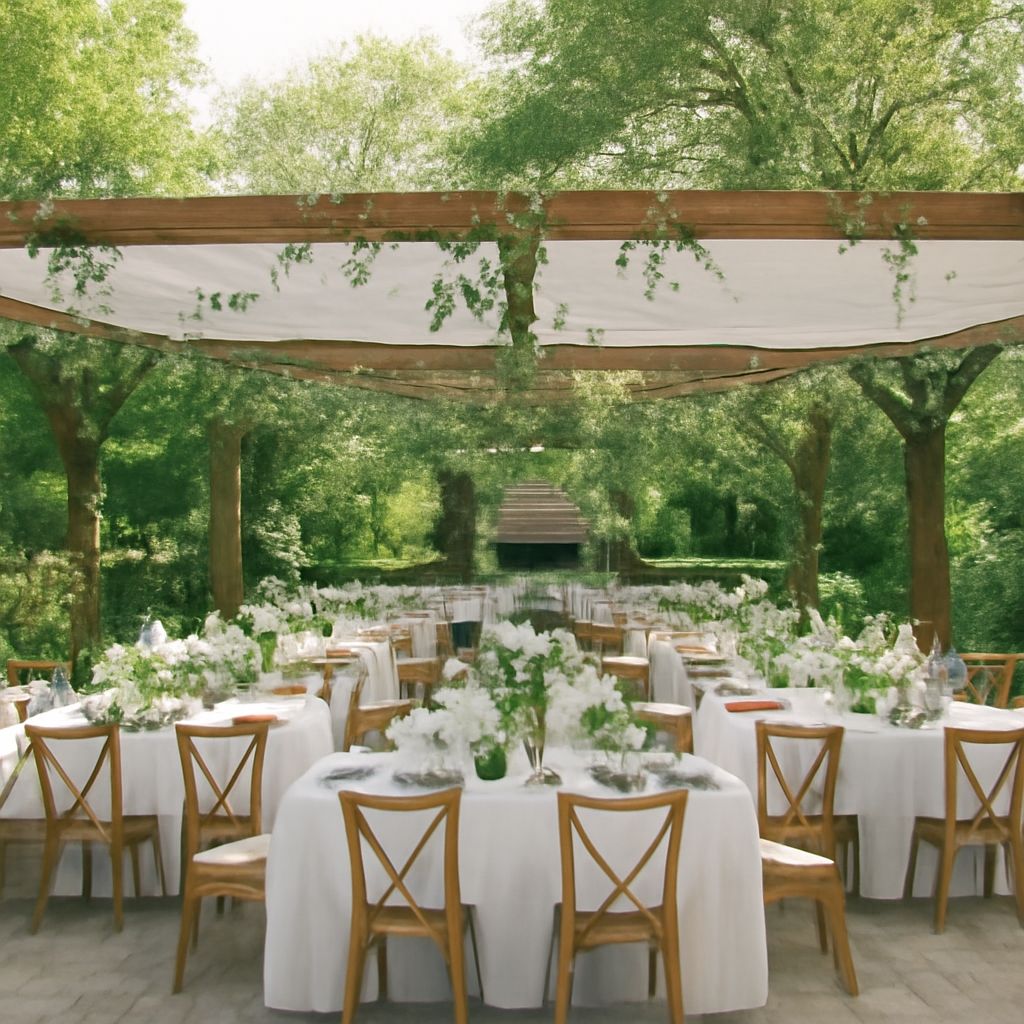
Every outdoor wedding needs a weather plan that doesn’t involve hoping for the best. A tent rental ($500 to $3,000 depending on size) gives you a covered outdoor wedding reception area that still feels open-air. Tent walls can be added if rain arrives. Confirm your rental vendor can deliver and stake the tent the morning of your event, not the day before, so it doesn’t sit unattended overnight.
Outdoor Wedding Ceremony Logistics
Your outdoor wedding ceremony benefits from a 30-minute buffer between guest arrival and the processional. This gives guests time to find seats, settle, and take in the environment. Build this into your timeline rather than rushing from arrival to ceremony start.
Sound is the most commonly underestimated element in an outdoor wedding. Wind, traffic, and ambient noise compete with your officiant’s voice. A wireless lapel mic on the officiant and a small PA speaker directed toward your guest seating area solves this for under $200 in rental costs. Without amplification, guests beyond row 5 typically miss large portions of the ceremony.
Making Your Outdoor Wedding Reception Work After Dark
An outdoor wedding reception after sunset needs deliberate lighting. String lights on overhead anchors give you the most flattering, widely-loved look for outdoor receptions. Use cafe-style bulbs on 12 to 15 foot poles spaced 8 to 10 feet apart for even coverage across a 30 by 40 foot reception area.
For a small outdoor wedding, a single strand of 100 cafe lights across the main gathering area costs $80 to $150 and transforms the space completely. Supplement with battery-powered LED pillar candles on tables for warmth at eye level. Your photographer will thank you for prioritizing ambient light over harsh uplighting, which creates unflattering color casts in photos.