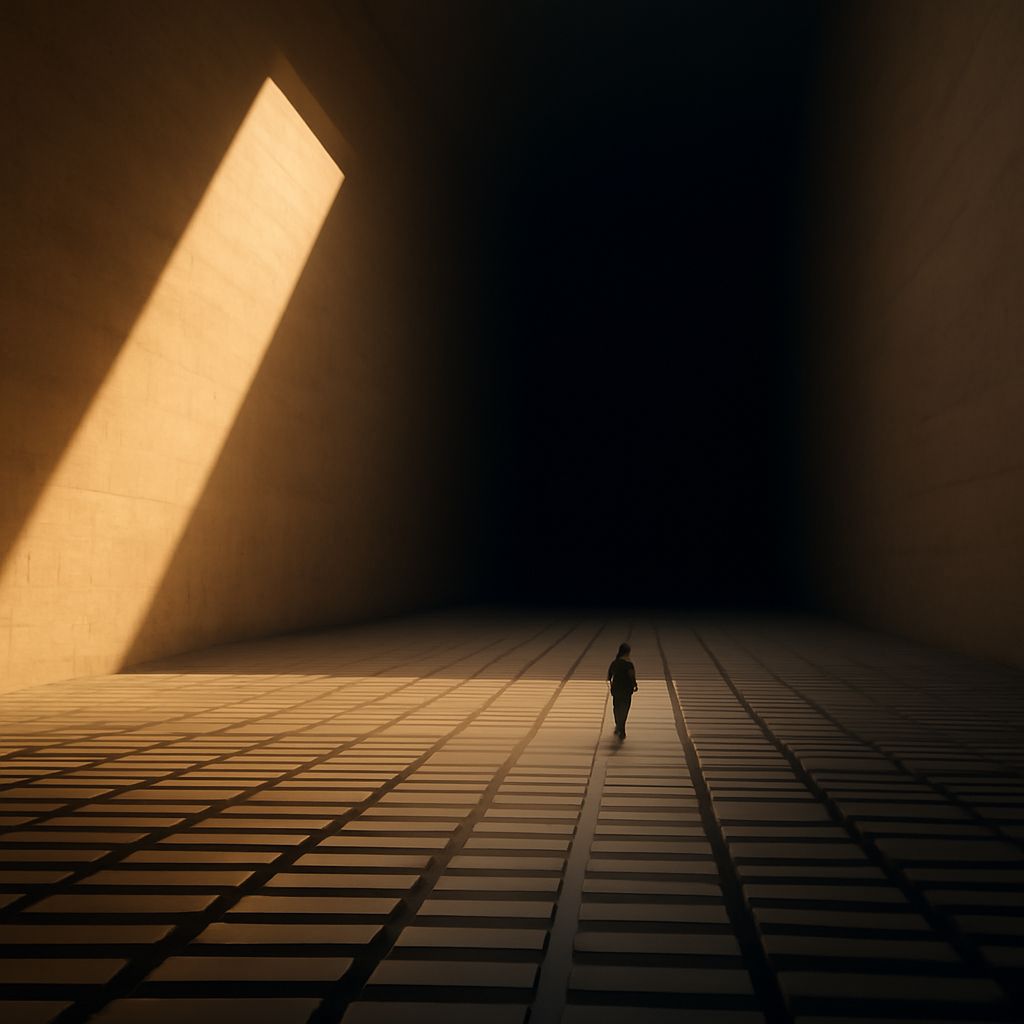
Positive and negative space shape everything you see in a composition. Whether you’re looking at a painting, a logo, a photograph, or a sketch, what’s filled in and what’s left empty both carry visual weight. Most beginners focus entirely on the subject — the figure, the object, the shape — and ignore the space around it. That’s where a lot of amateur work falls flat.
Learning to see positive and negative space art through a trained eye changes how you approach every composition. This guide breaks down how positive and negative space in art works, why positive negative space art creates such strong visual tension, and how to apply these ideas in a positive negative space drawing or design project.
Understanding Positive and Negative Space in Art
What Each Space Actually Does Positive space is the area occupied by the main subject — a person, a tree, a word, a shape. Negative space is everything around and between those subjects. The two are interdependent. Change one and you automatically change the other.
In painting and drawing, positive and negative space in art determine rhythm and breathing room. A figure pressed against the edge of a canvas feels trapped. The same figure centered with generous empty space around it feels calm or isolated depending on tone. Neither is wrong — but both are intentional.
Famous Examples of Positive Negative Space Art
The Rubin vase is the most cited example: two face profiles in dark space create a white vase shape in the center. Your brain can only perceive one reading at a time, which is exactly what makes positive negative space art so compelling. M.C. Escher built entire careers around this principle, using interlocking positive and negative forms to create impossible-looking tessellations.
In logo design, the FedEx arrow hidden in the negative space between the E and x is a textbook case. The arrow is never drawn — it exists only because of how the letterforms are positioned.
How to Practice Positive Negative Space Drawing
Start with a positive negative space drawing exercise: draw the outline of an everyday object — a chair, a shoe, a hand — then fill in only the negative space around it. Don’t draw the object at all. This trains your eye to see outlines as boundaries between two shapes rather than lines attached to a thing.
Work in ink or brush pen to force commitment. Use a 5″x7″ surface and try 3–4 versions of the same subject with different amounts of negative space. Notice how a subject with 80% negative space around it reads differently from one with 30%.
Positive and negative space art becomes more intuitive the more you practice deliberately. Set a 20-minute timer and do one negative-space-only study per day for two weeks. By the end you’ll automatically scan a composition for balance rather than just looking at the subject.
Key takeaways: Negative space isn’t empty — it’s active. Train yourself to treat it as a shape, not a gap. Strong positive negative space drawing comes from designing both zones at once, not filling in the subject and hoping the rest works out.