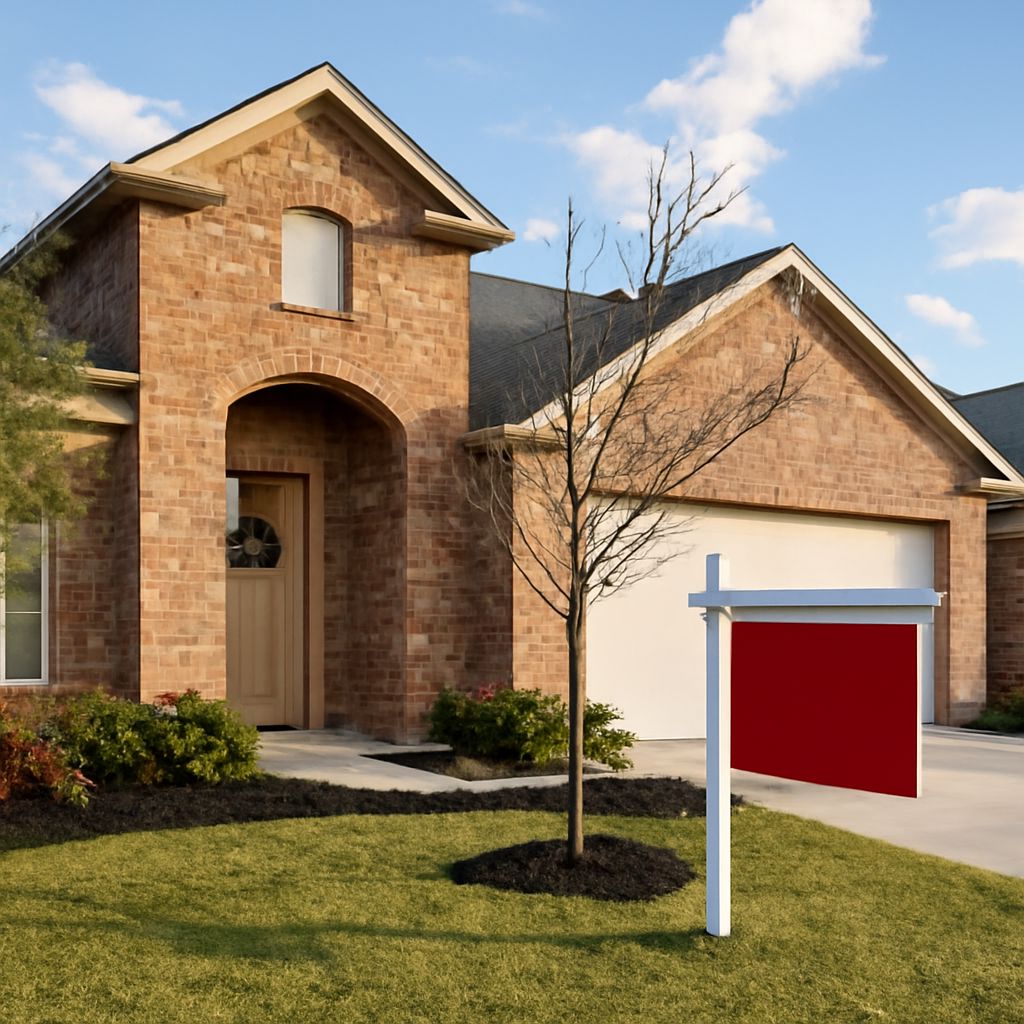
When your home sits on the market longer than expected, frustration builds and uncertainty grows. Understanding why isn’t my house selling is the first step toward attracting more buyers and getting your property off the market faster. Today’s real estate landscape moves quickly, but if your house not selling is becoming a pattern, there are proven steps you can take now to turn things around.
This guide highlights the most common obstacles sellers face and offers up-to-date marketing strategies that work. By the end, you’ll know not only what’s holding your sale back but also exactly how to fix it—whether it’s pricing, presentation, or exposure issues.
Common Reasons Your House Isn’t Selling
Many homeowners find themselves asking, “Why isn’t my house selling?” The answer often comes down to a handful of key issues. The market may be saturated with similar listings, or your property might not stand out due to outdated décor, poor photos, or lack of curb appeal. Sometimes, small repairs or deep cleaning can make a big difference in how buyers perceive your home during showings.
Another major factor can be timing. If your house not selling has become a concern during a slow season or economic downturn, buyer activity naturally slows down. Seasonal trends matter—homes listed in spring or early summer generally sell faster, while listings over the holidays or peak vacation seasons sometimes stagnate. If you’re listing outside prime windows, expect a longer timeline or adjust your strategy accordingly.
Feedback from showings is invaluable. Buyers may share concerns about outdated features or pricing—information you can use to make targeted improvements. Track feedback systematically for recurring themes, whether that’s a cramped layout, lack of natural light, or maintenance issues. Addressing these obstacles can dramatically boost your home’s appeal and get you closer to a successful sale.
Evaluating Your Listing Price
Overpricing is one of the top reasons homes linger on the market. If you wonder, “Why isn’t my house selling?” start by comparing your asking price to similar recent sales. Even a difference of $5,000–$10,000 can push buyers to choose a competitor’s listing. An overpriced home can sit stagnant for months, making future reductions less effective as buyer interest cools over time.
Work closely with your real estate agent to review a comparative market analysis (CMA). This report uses recent nearby sales, expired listings, and similar active homes to set a realistic price. Adjust your expectations if necessary. Remember, buyers have access to the same data and will notice if your price doesn’t align with market trends.
Price adjustments should be strategic. Don’t make small, repeated cuts; instead, review all feedback and local data, then consider a single, meaningful reduction. This approach generates renewed interest and alerts buyers watching your property for changes. Stay flexible, and check the market every one to two weeks to see where your home stands against fresh competition.
Improving Your Marketing Strategy
Effective marketing can mean the difference between a house not selling and a quick, profitable sale. Start with high-quality professional photos—buyers look online first, and homes with crisp, well-lit images get more clicks and showings. If your listing photos are dull or cluttered, invest in new ones. Virtual tours and aerial drone shots can further increase interest, especially for larger homes or unique properties.
Your online listing description matters, too. Highlight features that set your home apart: recent upgrades, walkable neighborhood perks, or energy-efficient appliances. Avoid generic language—be specific about what buyers will love once they step inside. Update your listing text regularly to reflect price changes or new improvements.
Expand your reach beyond the main real estate portals. Share your listing on social media, neighborhood groups, and real estate agent networks. Consider hosting open houses at different times—weekday evenings sometimes attract buyers who can’t attend weekend events. If your house not selling is tied to limited exposure, a fresh, multi-channel marketing approach can bring new prospects through the door.
What to Do When Your House Still Isn’t Selling
If you’ve addressed price and marketing but still wonder “Why isn’t my house selling?” it’s time for a deeper assessment. Get an honest evaluation from your agent or a third-party home inspector. Sometimes small, overlooked repairs (like squeaky doors or leaky faucets) can sour showings. Make a checklist and tackle obvious fixes within a week to freshen the impression for upcoming buyers.
Consider staging your home professionally, even if you’re still living there. Simple updates like neutral paint, decluttered surfaces, and modern light fixtures make spaces feel larger and more appealing. Temporary updates can help buyers imagine themselves living in your space and speed up offers.
Finally, reassess your flexibility. Are you willing to offer incentives like paying closing costs or providing a home warranty? Can you adjust your moving dates to accommodate buyers? Sometimes, a house not selling just needs more negotiation room or creative solutions to seal the deal. Stay proactive, monitor feedback, and adjust quickly to regain momentum and move toward closing.