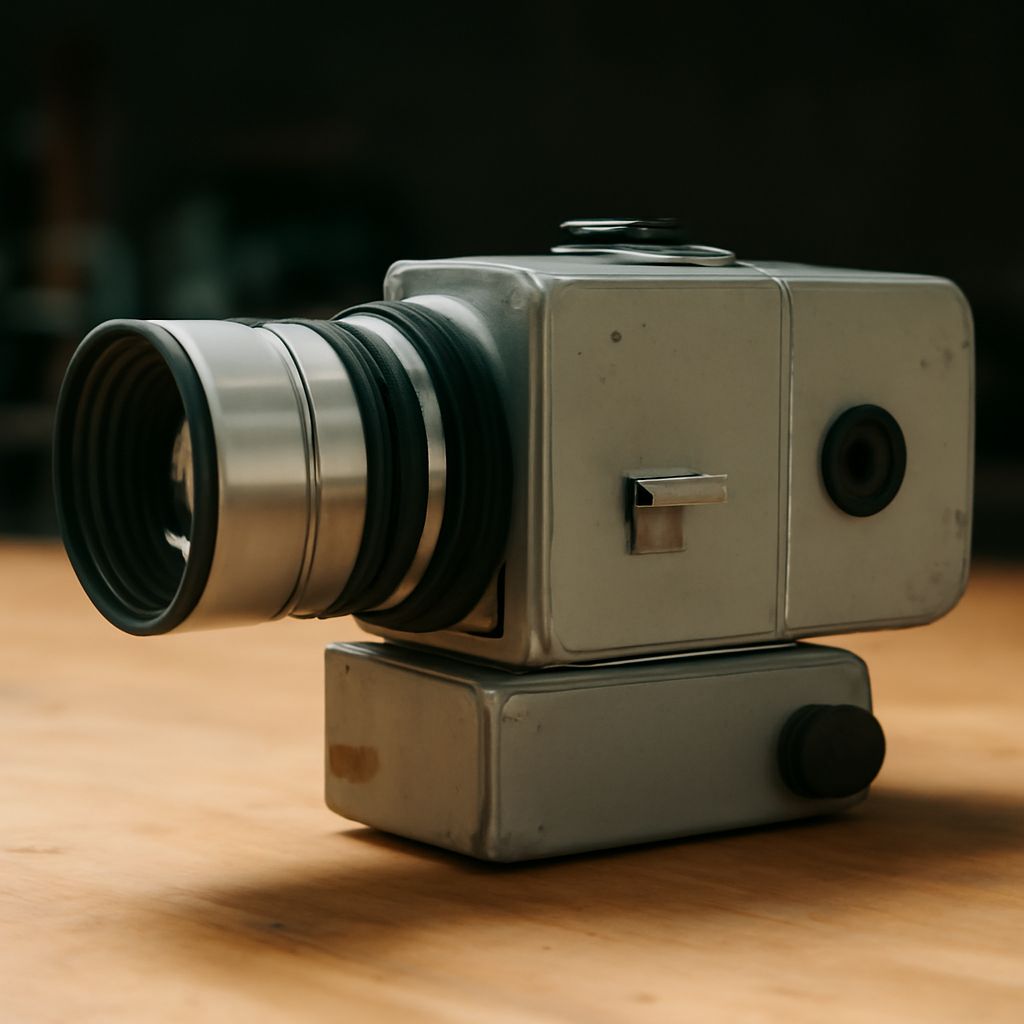
Learning interesting photography facts can make your journey into photography more exciting and informed. As you discover the fascinating origins and technical wonders behind every shot, you’ll gain a deeper appreciation for the art form and the skills you’re developing.
This guide highlights surprising facts about photography and practical tips that every beginner should know. By understanding both the history and the technology, you’ll set a solid foundation for your creative growth with the camera.
The Origins of Photography
One of the most intriguing facts about photography is its ancient beginnings. The earliest reference to capturing an image appears in writings from the 5th century BC, describing how light created an upside-down image inside a darkened room. This principle led to the creation of the camera obscura, a box or room with a small hole that projected an inverted image of the outside world onto a wall. Artists used this tool for centuries to trace landscapes and portraits before the invention of photographic film.
Fast forward to 1826, when Joseph Nicéphore Niépce captured the world’s first permanent photograph using a process called heliography. The exposure took several hours, and the image, “View from the Window at Le Gras,” is still preserved today. This milestone marked the true start of modern photography facts, showing how far technology has come from those early experiments.
By the mid-1800s, inventors like Louis Daguerre and William Henry Fox Talbot made photography more practical. Daguerre’s daguerreotype process required much shorter exposures and offered much clearer details, while Talbot’s calotype introduced the use of negatives, allowing for multiple prints from a single image. These breakthroughs paved the way for photography to become accessible to more people, not just scientists and artists.
Understanding where photography comes from helps you recognize the roots of every image you capture today. Each time you snap a photo, you’re participating in a tradition that stretches back hundreds of years.
Technical Facts About Cameras
Cameras have evolved from bulky wooden boxes to sleek digital devices. One key photography fact is that modern cameras still rely on the same basic principle as the camera obscura—a controlled passage of light to form an image. However, today’s cameras manage this with precision glass lenses, light sensors, and digital processing chips.
There are several types of cameras to choose from. DSLRs and mirrorless cameras dominate professional and enthusiast markets, offering interchangeable lenses and manual controls. Point-and-shoot cameras provide simplicity and portability, ideal facts about photography for beginners who want to learn the basics without getting overwhelmed. Even your smartphone contains a powerful camera module, capable of producing high-quality images through advanced software algorithms and small but effective lenses.
Another important technical fact is how exposure settings—aperture, shutter speed, and ISO—affect your photos. Aperture controls the amount of light entering the lens, shutter speed determines how long the sensor is exposed, and ISO adjusts the sensor’s sensitivity. Mastering these settings allows you to adapt to any lighting situation and create effects like blurred motion or crisp action shots. For example, try setting a fast shutter speed (such as 1/1000 second) to freeze a moving subject, or a wide aperture (like f/2.8) for a softly blurred background.
Learning how different lenses, from wide-angle to telephoto, change the look of your pictures is another essential skill. Take time to experiment, and you’ll quickly see why knowing these technical facts about photography improves your creativity and control.
Famous Photography Facts
Many of the world’s most iconic photographs were captured with simple equipment and a keen sense of timing. A famous photography fact is that Dorothea Lange’s “Migrant Mother,” snapped during the Great Depression, was taken with a basic Graflex camera and no studio lighting. The power of the image came from Lange’s ability to connect with her subject and capture authentic emotion.
Another interesting photography fact is that the first photo of a person was taken by accident. In 1838, Louis Daguerre set up his camera to photograph a busy Paris street. The exposure lasted several minutes, so moving traffic disappeared from the image. Only a man getting his shoes polished remained still long enough to be visible, making him the first person ever photographed.
Over time, facts about photography reveal that some famous images were the result of experimentation or luck. The “Earthrise” photo from Apollo 8 showed our planet from space and inspired millions to see the world differently. Meanwhile, Ansel Adams’s breathtaking landscapes were often the result of returning to the same scene many times, carefully waiting for the perfect light.
These stories show that while technical skill matters, patience and a willingness to experiment are just as important. Studying famous photography facts gives you insight into the creative process behind memorable pictures.
Modern Photography Insights
Today, digital technology has transformed every aspect of photography. One important fact about photography in the 21st century is that editing software, such as Adobe Lightroom and Photoshop, lets you correct exposure, crop, or enhance your images in ways that were impossible with film. These tools help you unleash your creativity and fix mistakes, making learning more forgiving for beginners.
The rise of social media has also changed how we share and consume images. Platforms like Instagram and Flickr allow you to showcase your work to a global audience, find inspiration, and connect with other photographers. However, it’s easy to get caught up in trends—focus on developing your own style rather than chasing likes or followers.
Modern cameras, from professional DSLRs to smartphone cameras, now feature technology such as face detection, image stabilization, and advanced autofocus. These innovations reduce the chance of blurry photos and make it easier to capture sharp, balanced images in a variety of conditions. To get the most out of your camera, regularly update its software and learn about its hidden features through the manual or online tutorials.
As you explore these modern facts about photography, remember that every tool is just a means to express your vision. Stay curious, keep practicing, and let each photo teach you something new about the world—and yourself.