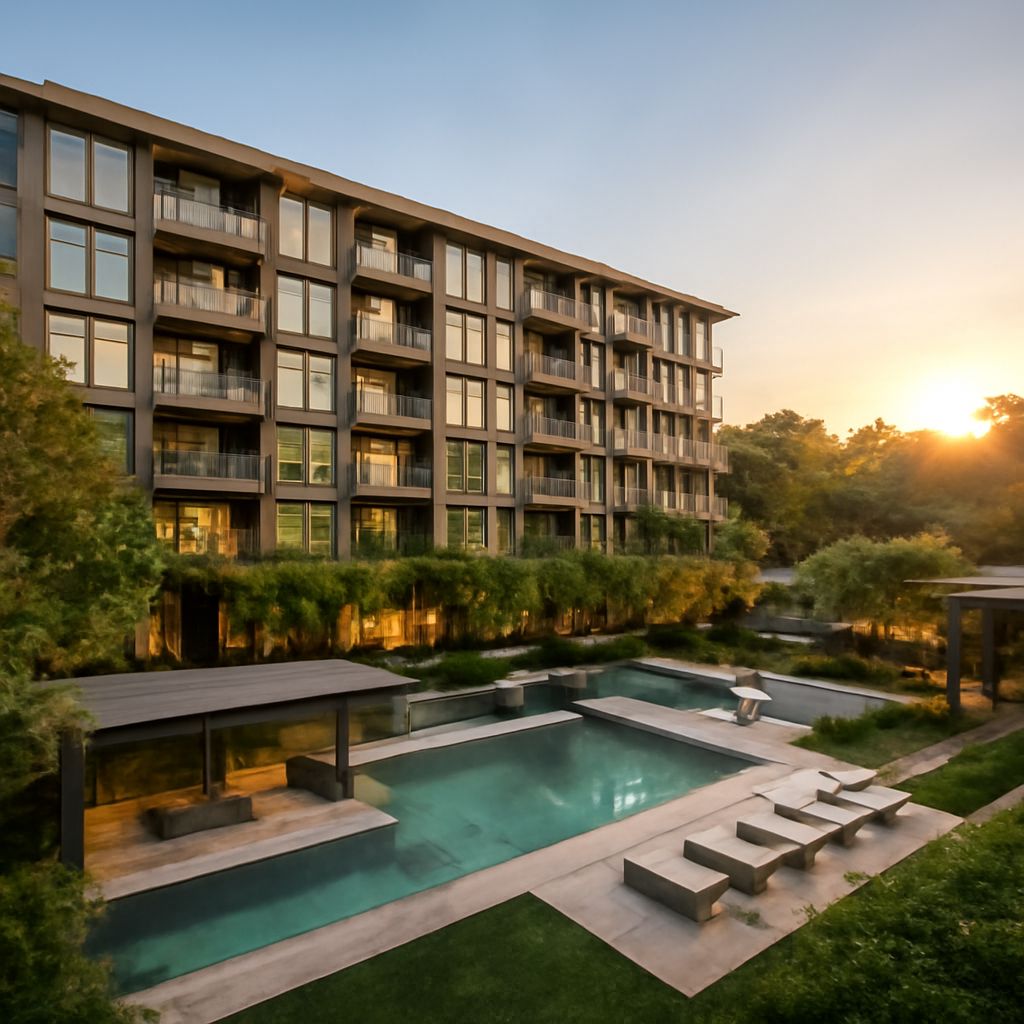
A Bangkok condominium near a rail station and a house outside Chiang Mai may have similar asking prices, yet offer very different daily routines and ownership questions. One buyer may value a short commute and managed common areas; another may prefer a garden and accept the work of maintaining it. Comparing property in Thailand begins with how the place will be used, not the photographs alone.
Listings for Thai real estate can also describe different legal interests. A condominium unit offered for foreign freehold ownership is not the same purchase as a house marketed with a lease on its land. Before comparing prices, identify exactly what the seller proposes to transfer.
Real Estate Thailand Buyers Can Compare by Location
Thai property markets vary by location and by the way residents travel. Bangkok offers neighborhoods organized around different travel patterns. A unit near a rail station may make a car less necessary, but a map pin does not reveal the actual walking route, traffic at street crossings, or noise from a busy road. Visit at the times the trip would usually be made, and look at nearby construction as well as the view from the window.
In Chiang Mai, a buyer may compare a central condo with a house farther from town. Access to shops, health care, and transport can matter more than the advertised distance to an attraction. Ask about seasonal air quality and visit the immediate street in the evening as well as during the day.
Phuket and other coastal markets introduce another set of questions: exposure to salt and humidity, building maintenance, flood history, and travel times that change with traffic. A sea view is valuable only if it suits the budget and daily routine. On an island or in a resort area, check how services and rental demand change outside the busiest season.
Read the property type before the price
Real estate, Thailand buyers find, can come with very different responsibilities depending on the property type. A condominium listing should identify the unit’s registered area, floor, parking arrangements, common facilities, and monthly common-area charges. Ask whether the building is a registered condominium and whether the particular unit is being offered with a title that the intended buyer can acquire. A large pool in the photographs is also a shared facility that needs ongoing funding.
A listing for a home in Thailand should distinguish the building from the land and explain whether the offered interest is ownership or a lease. Request the land title details, the registered owner’s identity, and any rights of access. A private-looking driveway, for example, may cross land owned by someone else; its legal access deserves verification.
Off-plan property is sold before completion. The images may show a proposed finish rather than the delivered unit, so examine the contract for specifications, payment milestones, completion dates, remedies for delay, and the process for inspecting the property before transfer. Confirm the developer’s permissions and financial standing independently.
Understand foreign ownership before paying a deposit
As of September 2, 2026, Thai law generally restricts foreign ownership of land, with limited statutory routes and conditions. A foreign buyer should not assume that a house advertisement includes a right to own the land outright. Thailand’s government outlines the distinction between land restrictions and condominium ownership in its guide to foreign acquisition of real estate.
A qualifying foreign buyer may own a unit in a registered condominium, subject to conditions. The combined foreign-owned portion is generally limited to 49% of the total area of the units in that condominium, not 49% of the number of apartments. Thailand’s government guidance on registration documents, updated in 2023, specifies an affidavit confirming that foreign ownership does not exceed 49% of the total area of condominium units. Ask for current evidence of the available foreign quota and confirm the transfer documents with the relevant land office.
A lease is a right to use property for a defined period; it is not freehold ownership. The term, registration, permitted use, transfer rights, and treatment of improvements all matter. Renewal should not be treated as automatic merely because a listing mentions it. Have an independent Thai-qualified lawyer explain the proposed arrangement and verify any claimed exceptions before money changes hands.
Build a cost comparison that includes ownership
The asking price is only the beginning of a Thailand real estate comparison. Request an itemized estimate of transfer-related fees and taxes, who will pay each item, legal and translation costs, and any brokerage charges. Confirm the amounts applicable to the specific transaction rather than relying on a percentage in a generic listing.
For a condo, add common-area fees, any sinking fund contribution, insurance, utilities, and potential special assessments. A sinking fund is money collected for longer-term building expenses; its size and the management’s financial records help explain whether future repairs may require further contributions. For a house, estimate maintenance of the roof, grounds, drainage, air conditioning, and any private pool.
Buyers paying from abroad should also account for exchange rates and bank charges. Ask the receiving bank and the land office which evidence of the funds and transfer is needed for the intended purchase, and obtain advice before moving money. Compare the full cost in Thai baht and in the buyer’s home currency without assuming the exchange rate will remain fixed.
Verify the listing against documents and the site
For real estate in Thailand, a useful first review connects four items: the advertisement, the seller’s proposed contract, official title records, and the physical property. Differences deserve answers before a deposit becomes nonrefundable.
- Confirm the seller’s authority, the title or lease documents, registered encumbrances, and the property’s boundaries or unit details through appropriate official records.
- Inspect the actual unit or house for leaks, drainage, ventilation, electrical condition, and signs of repairs. Ask an independent inspector about defects that are difficult to assess visually.
- Review building rules for pets, renovations, parking, and rentals. Do not assume a projected rental income is guaranteed or that every proposed rental use is permitted.
- Ask for an English translation of important documents where needed, and have independent counsel explain the controlling terms and any deposit or cancellation conditions.
A shortlist of Thai properties becomes more useful when each entry is scored against the same requirements: location, legal interest, recurring costs, condition, and intended use. A lower advertised price may be less attractive after repair costs or a limited lease term are included.
Immediately after reading, choose two listings and request the title or lease details, a complete fee estimate, and confirmation of the seller’s proposed transfer. Give those documents to an independent Thai-qualified lawyer before agreeing to a deposit.