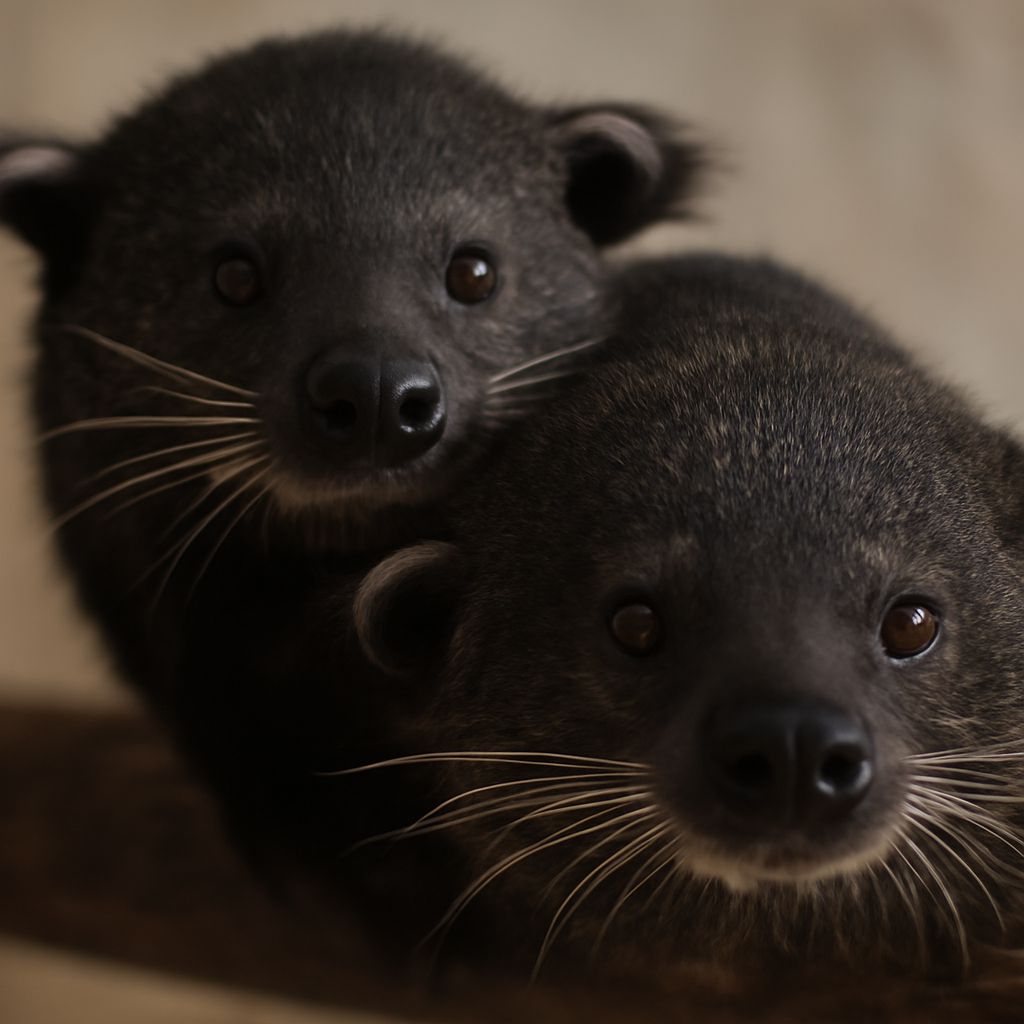
If you’re searching for an animal that breaks all the usual rules, the binturong is sure to catch your attention. Also known as the “bearcat,” this unusual mammal combines the look of a small bear with the agility of a cat, making the binturong animal a true standout. Learning about the binturong’s lifestyle, habits, and unique quirks can bring a fresh sense of wonder to your everyday life and deepen your connection to the natural world.
Discovering the binturong introduces you to a world where animals don’t fit neatly into categories. By the end of this article, you’ll know exactly what makes the binturong animal so fascinating, how it impacts daily life in its native regions, and how you can spot one for yourself.
What Is a Binturong?
The binturong is a rare mammal native to the dense rainforests of Southeast Asia. Although often called a “bearcat,” it isn’t related to bears or cats. Instead, it belongs to a group called viverrids, which also includes civets and genets. Adult binturongs can weigh between 20 and 50 pounds, and they are known for their thick, coarse black fur and long, bushy tails.
One of the most distinctive features of a binturong animal is its prehensile tail. This tail acts almost like a fifth limb, helping the binturong grip branches as it moves through the trees. If you watch one climb, you’ll notice how confidently it swings and balances, wrapping its tail around trunks and branches with surprising strength.
Binturongs are mostly nocturnal, spending their days curled up in the tree canopy and becoming active at dusk. Their eyesight is sharp in low light, and their sense of smell is excellent, helping them find ripe fruit and small prey. In the wild, their calls add an eerie soundtrack to the rainforest after dark.
Even though the binturong isn’t well known outside Asia, its remarkable looks and behaviors have sparked curiosity among animal lovers and wildlife researchers around the world.
Binturong Animal in Everyday Life
If you live near the binturong’s range in countries like Indonesia, Malaysia, or Thailand, you might catch glimpses of these creatures in local forests or wildlife reserves. The binturong animal often plays a quiet role in rural and forest life. Its diet of fruits, especially figs, helps spread seeds and supports the health of the forest ecosystem. Farmers sometimes spot binturongs raiding fruit trees, though the animal is shy and rarely causes much trouble.
People who work closely with wildlife, such as zookeepers or conservationists, often describe the binturong as gentle but curious. When handled respectfully, these animals can be social and even enjoy interaction. In some cultures, the binturong is considered a symbol of good luck and has a place in local folklore.
For city dwellers, the binturong animal might only be familiar from zoo visits or documentaries. Still, learning about their habits can inspire you to make choices that protect rainforest environments, such as buying sustainable products or supporting conservation groups.
In everyday life, adopting the binturong’s slow, deliberate approach can be a reminder to move thoughtfully, savor your surroundings, and stay connected to nature—even in small ways.
Unique Traits and Behaviors
The binturong stands out for a few truly unique traits. One of the most surprising is its scent—when the binturong animal marks its territory, it leaves behind a smell almost exactly like buttered popcorn. This scent comes from glands under the tail and helps other binturongs recognize each other’s presence.
Binturongs are expert climbers, rarely descending from the treetops unless necessary. Their strong claws and flexible ankles let them move head-first down a tree, much like a squirrel. When they’re not searching for food, you might see a binturong napping sprawled across a branch, using its prehensile tail as a safety belt.
While the binturong animal is mostly solitary, mothers care for their young for months, teaching them to climb and forage. Young binturongs use soft calls to communicate with their mothers, and families sometimes stick together longer than other rainforest mammals.
The binturong’s slow, peaceful lifestyle and unusual behaviors make it a symbol of balance and resilience in the wild. Understanding these habits gives you a greater appreciation for this fascinating creature.
Where to See a Binturong
Seeing a binturong animal in the wild takes patience, as they’re shy and mostly active at night. Your best chance is to visit a protected rainforest area in Southeast Asia, where guided night walks sometimes reveal their glowing eyes and soft movements in the canopy. Look for signs like fruit remains and the faint scent of popcorn to know one has passed by.
If you can’t travel, many zoos and wildlife parks around the world have binturongs in carefully designed enclosures. Ask the keepers about feeding times—binturongs are often more active then, giving you a better view of their playful side. Watching a binturong climb, sniff, and interact with its environment offers a close-up look at this animal’s talents.
Virtual tours and wildlife cams are another option if you want to see a binturong animal from home. These programs let you observe natural behaviors and even contribute to conservation efforts by spreading awareness.
Wherever you see one, take time to observe how the binturong moves and interacts. Its slow, careful rhythm is a reminder to appreciate the quieter moments in life.
Key takeaways: The binturong animal is a rare, captivating mammal whose habits, traits, and gentle presence enrich both the wild and everyday life. By learning about the binturong, you deepen your connection to the natural world and support efforts to protect its rainforest home. Stay curious—the binturong’s story is one worth sharing.