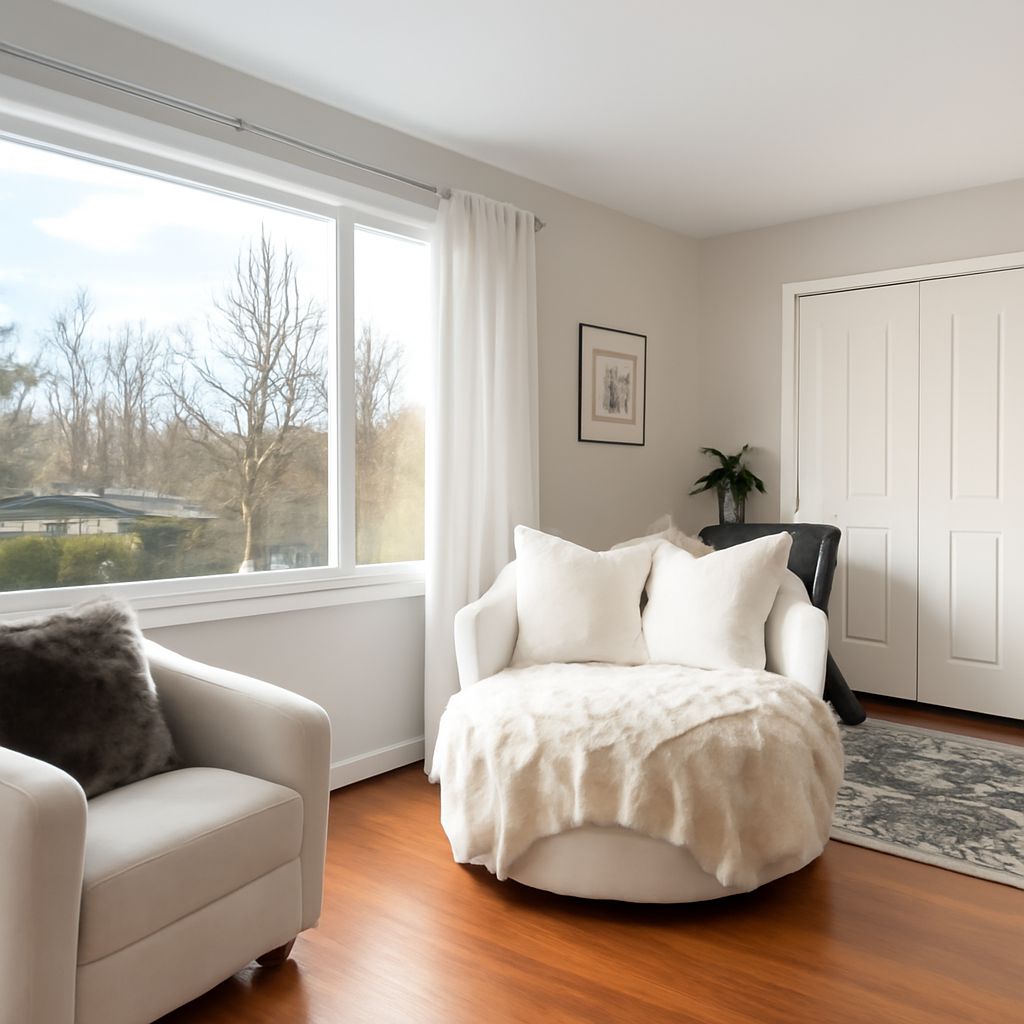
The better choice depends on who will select, arrange, and manage the furnishings. A home-staging service can coordinate the presentation from consultation through removal; renting furniture independently gives the seller more control and more work. The price comparison is meaningful only when both options cover the same rooms, rental period, delivery, and photography arrangements.
A staging company may work with a vacant house, an occupied property, or a combination of existing and rented pieces. Before requesting prices, identify which rooms need attention and when the photographer and first showings are scheduled. That scope turns a broad estimate into a usable decision.
Home staging companies: what the service can include
When comparing home staging companies, review whether each proposal begins with a walk-through, measurements, and a plan for the intended buyer. The stager selects furniture, rugs, lighting, and accessories; arranges delivery and installation; and removes the inventory at the end of the agreed period. Some providers offer a consultation only, leaving the seller to make the changes. Others use the owner’s furnishings and add a smaller number of rental pieces.
Ask each provider of home staging services to name the rooms, pieces, and tasks included. A living-room package might include a sofa, chairs, coffee table, rug, and lamps, but the contents vary by contract. A room described as “staged” should have an itemized scope clear enough to compare with another bid. Identify who handles cleaning, minor repairs, storage of existing belongings, and final preparation before photography.
The goal is to help buyers understand the space. In the National Association of Realtors’ 2025 staging survey, 83% of buyer’s agents surveyed said staging made it easier for a buyer to visualize a property as a future home. That is an agent-reported observation, not a promised sale price or selling time for an individual property.
What independent rental requires
With home staging furniture rental, the seller or agent typically chooses pieces from a rental provider and arranges the room. A provider may offer delivery and assembly, but design, styling, and removal of existing furniture should be confirmed separately. Independent rental can suit a seller who already has a clear layout, time to coordinate trades, and someone available to receive deliveries.
Measure the room and access route before reserving inventory. A sofa must fit through the building entrance and the room’s door as well as leave space to walk once installed. Check elevator reservations, stairs, delivery windows, and any building rules. A correctly sized dining table helps a buyer see the intended use of a room; an oversized one can make the same space feel cramped in photographs and during a showing.
Renting furniture for a staged home also creates a responsibility for small decisions. Someone must supply lamps and bedding, remove packaging, adjust the arrangement after delivery, and restore the property when the rental ends. List those tasks and their expected costs, including any hired help, before treating the rental quote as the total cost.
Compare two hypothetical estimates
The following example uses illustrative November 2026 figures, not market quotes. Both options cover a vacant living room and primary bedroom for eight weeks. The same professional photography is booked separately, and cleaning and repairs have already been completed. Actual prices depend on location, inventory, access, and contract terms.
| Cost for the same scope | Full staging | Independent rental |
|---|---|---|
| Planning, selection, and styling | $700 | $0; seller performs the work |
| Furniture and accessories for eight weeks | $1,600 | $1,200 |
| Delivery, installation, and pickup | $600 | $500 |
| Separately hired setup and styling help | Included | $300 |
| Photography | $300 | $300 |
| Illustrative total | $3,200 | $2,300 |
The $900 difference buys a defined package of planning and coordination in the first option. In the second, the seller still spends time selecting pieces, scheduling the work, and checking the rooms. If the independently rented package lacks lamps or accessories included in the first proposal, its scope and price need adjustment before the comparison is fair.
Request a second calculation for a longer listing period. For example, if each illustrative contract charges $400 for an additional four weeks, totals rise to $3,600 and $2,700 respectively. Real renewal fees, minimum terms, taxes, deposits, and cancellation charges must come from the written quotes; they may change the ranking.
Align the furniture with the photographs
Physical staging should be complete before the photographer arrives. Confirm that delivery, assembly, cleaning, and styling are finished early enough to correct a damaged item or a piece that blocks a window. A photographer may suggest moving a chair for a better angle, but agree who will restore the room for showings afterward.
Photographs and the in-person visit should tell the same story. A chair that looks appropriately scaled in an image should still leave a comfortable route through the room. Check the view from the doorway as well as from the camera position. If a room is virtually furnished instead of physically staged, disclose that treatment as required by the relevant listing rules and make sure the images accurately represent the property.
Ask staging firms whether a photo-day visit or adjustment is included and whether the photographer is part of their price. A separate photographer may provide more control over scheduling, but the seller or agent must coordinate access. Put dates and responsibilities in the written scope so a late delivery does not require a second shoot.
Check the contract and handoff
Services for staging a home have a defined beginning and end. The contract should state installation and removal dates, the included rental term, extension rates, cancellation terms, and what happens if a closing date changes. Identify who is responsible for accidental damage, missing items, insurance, and access to the property during the listing.
Compare the staging providers’ proposals on the condition of the inventory and what happens when a selected item is unavailable. Ask whether substitutions require approval and whether the seller can use the furnishings while living in the home. For an occupied property, clarify storage and reinstallation of the owner’s possessions; for a vacant one, agree who checks the rooms between showings.
The value of professional staging for a house includes the work the seller no longer has to coordinate. Independent rental may be a sound fit when the household can manage that work and the needed pieces are available. The useful comparison is the full cost and responsibility of reaching the same finished rooms on the same schedule.
Request two dated, itemized proposals for identical rooms, inventory, rental duration, delivery, setup, photography, and pickup; add any tasks the seller must arrange separately before comparing their totals.