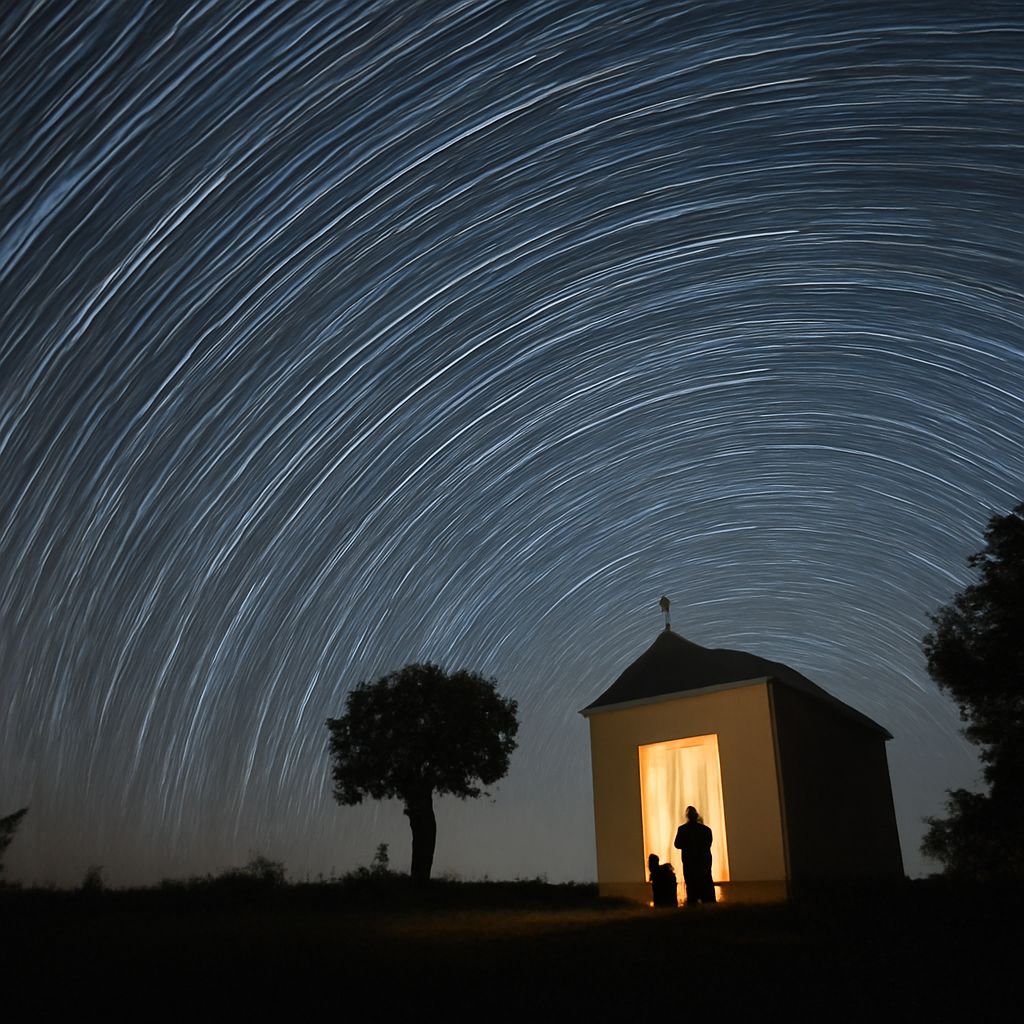
Capturing the Milky Way in your photos is one of the most rewarding experiences for any photographer. With the right Milky Way photography settings, you can transform the night sky into a breathtaking masterpiece. Imagine standing under a blanket of stars, your camera ready to immortalize the cosmic dance above. This guide will help you navigate the essential techniques needed for photographing Milky Way scenes with precision and artistry.
Whether you are a seasoned photographer or a beginner eager to dive into the world of Milky Way long exposure, understanding the correct settings makes a world of difference. With the right knowledge, your night shots can evoke the vastness and wonder of the universe, bringing you closer to the stars than ever before.
Understanding Milky Way Photography
What is Milky Way Photography?
Milky Way photography involves capturing images of the galaxy that contains our solar system. It’s an art that combines technical skill with creative vision to highlight the beauty of the stars and cosmic landscapes. This type of photography is typically done at night, away from city lights, where the Milky Way is most visible.
Benefits of Photographing the Milky Way
The benefits of photographing the Milky Way extend beyond the visual appeal of stunning images. This practice enhances your understanding of photographic techniques and improves your ability to work in low-light conditions. It also connects you to the natural world and fuels your creativity by pushing the boundaries of traditional photography.
Essential Milky Way Photography Settings
Camera Settings for Milky Way
To capture the Milky Way, start with the right camera settings. Use a wide aperture, such as f/2.8, to let in as much light as possible. Set your ISO between 1600 and 3200, depending on your camera’s sensitivity. Finally, choose a shutter speed of about 15-25 seconds to prevent star trails while allowing enough light to reach your camera’s sensor.
Adjusting Exposure for the Milky Way
Adjusting exposure for the Milky Way requires balancing sensitivity and clarity. A higher ISO will brighten your image but can introduce noise; find a middle ground for cleaner results. Monitor your histogram to ensure your highlights and shadows are balanced, avoiding overexposure for the best results.
Mastering Milky Way Long Exposure
Long Exposure Techniques
Milky Way long exposure photography can be mastered with practice and patience. Use a sturdy tripod to keep your camera stable during long exposures. Experiment with different exposure times to find what best suits the ambient light and desired effect. A remote shutter release can also prevent camera shake.
Tips for Perfect Long Exposures
For perfect long exposures, plan your shoot under a new moon or when the moon is below the horizon to minimize light pollution. Scout your location during the day to identify compelling compositions. Remember, practice makes perfect, so keep experimenting with different techniques until you find what works best for you.
Exploring The Milky Way Documentary
Inspiration from Documentaries
Documentaries about the Milky Way can provide inspiration and insight into this celestial spectacle. They often showcase the galaxy through expert lenses, offering new perspectives and ideas for your photography. Watching these films can deepen your appreciation and understanding of what makes the Milky Way so captivating.
Documentary Recommendations
Consider watching “The Milky Way: A Galactic Journey” or “Cosmic Wonders: The Milky Way Unveiled” to gain inspiration for your next shoot. These documentaries cover the history, science, and magnificence of our galaxy, offering a wealth of knowledge to enrich your photographic endeavors.