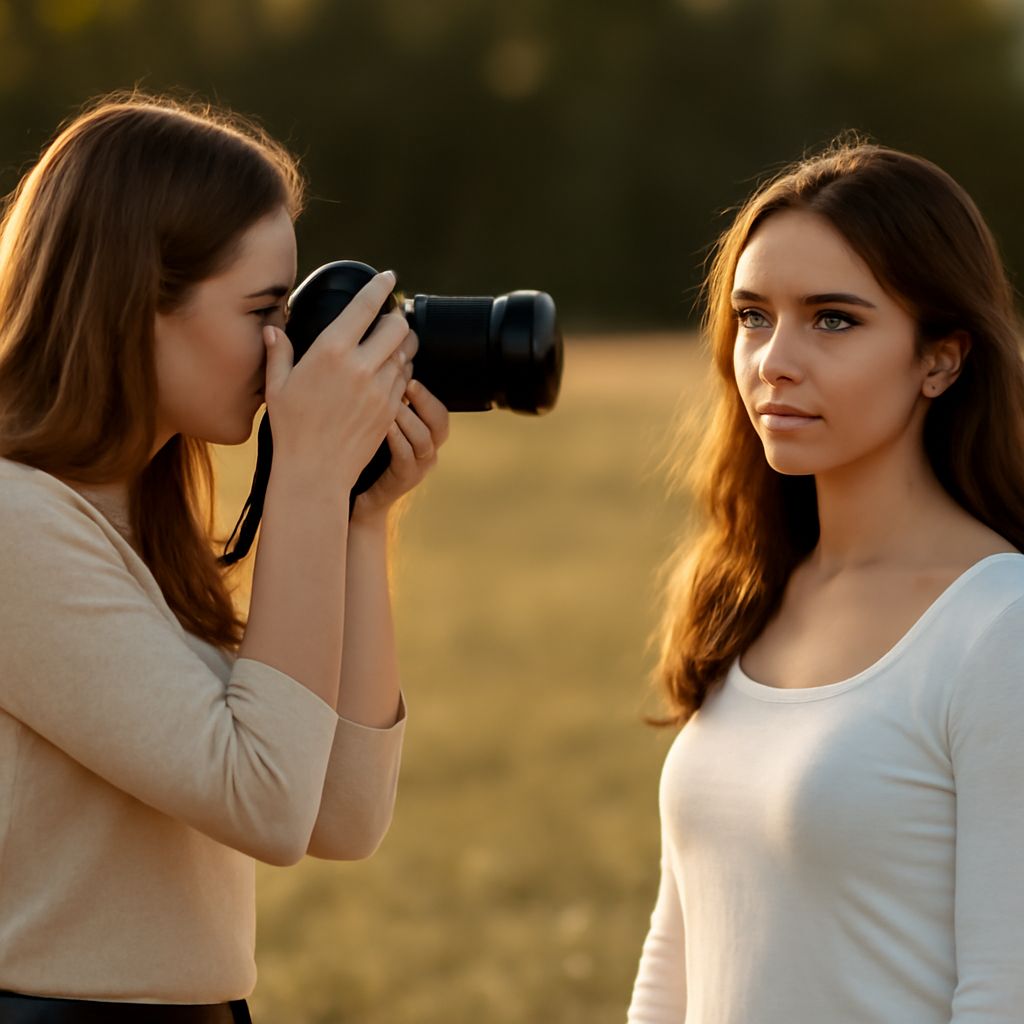
Unlock the secret to capturing stunning portraits by mastering shutter speed. When you know what shutter speed to use, you can transform an ordinary photo into a magazine-worthy shot. This guide will explore shutter speed and aperture combinations, helping you understand the nuances of photography. With a shutter speed comparison and expert tips, you’ll elevate your portraits to new heights.
Understanding Shutter Speed for Portraits
The Role of Shutter Speed in Photography
Shutter speed is crucial in photography because it determines how long your camera’s sensor is exposed to light. In portrait photography, the right shutter speed captures sharp images while allowing creative effects. A fast shutter speed freezes motion, essential for capturing clear portraits.
Why Shutter Speed Matters in Portraits
Choosing the best shutter speed for portraits ensures that you capture the essence and emotion of the moment. A slower shutter speed might introduce blur, which can either enhance or hinder your photo. Knowing what shutter speed to use helps you decide how dynamic or serene you want your image to be.
Choosing the Best Shutter Speed for Portraits
Recommended Shutter Speeds
For most portrait photography, a shutter speed of 1/125 to 1/250 is recommended. This range keeps your subject sharp while allowing some flexibility with aperture settings. Fast shutter speeds like 1/500 are ideal for outdoor portraits where lighting conditions are unpredictable.
Experimenting with different shutter speeds can reveal new dimensions in your portraits. For example, a shutter speed of 1/60 can capture subtle movements, adding a soft look to your photograph.
Shutter Speed Comparison for Different Portrait Styles
When comparing shutter speeds, consider the style you’re aiming for. Fast speeds work well in action shots or lively environments, ensuring crisp details. In contrast, slower speeds can evoke a sense of motion or fluidity, perfect for artistic or moody portraits.
Understanding this shutter speed comparison helps you make informed decisions about your photography style. You might find a preference for the control of fast speeds or the artistic flair of slower settings.
Shutter Speed and Aperture: Perfect Pairing
Balancing Shutter Speed and Aperture
The relationship between shutter speed and aperture is a balancing act. A wide aperture allows more light, supporting faster shutter speeds. Conversely, a smaller aperture can necessitate a slower shutter speed, especially in low light.
Balancing these settings is key to achieving the desired depth of field and exposure. For instance, pairing a wide aperture with a shutter speed of 1/250 can isolate your subject with a beautifully blurred background.
Tips for Adjusting Settings
Adjusting your settings based on lighting and subject movement is crucial. Start with a baseline shutter speed of 1/125 and adjust as needed. If you’re shooting indoors, increase ISO to maintain faster shutter speeds without sacrificing image quality.
Experimentation is your best teacher. Try different combinations to see how shutter speed and aperture affect the final image. With practice, you’ll instinctively know what shutter speed to use for any portrait scenario.