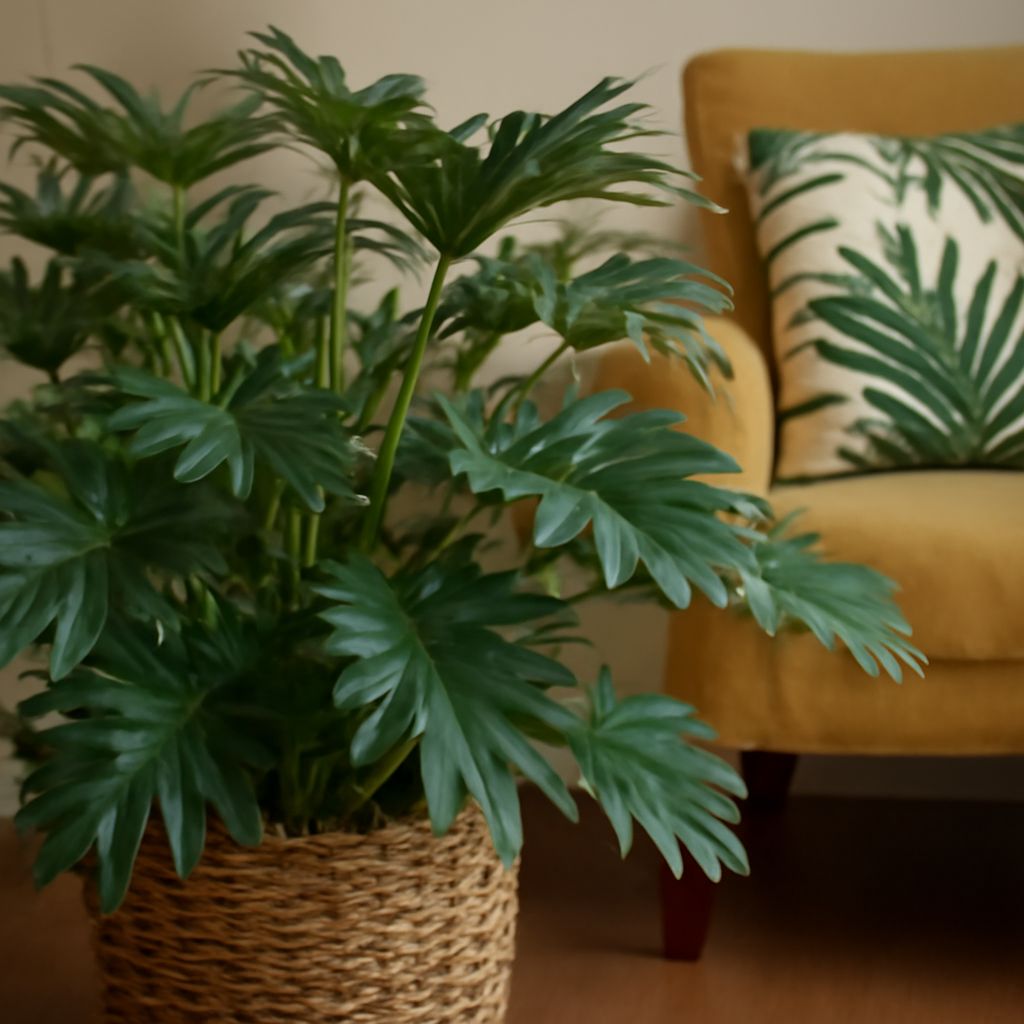
Indoor trees low light capable of thriving in dim rooms expand your design options dramatically. Most tree-sized houseplants require bright indirect light — but several species handle low-light conditions well enough to serve as living room focal points, hallway accents, or office centerpieces far from windows. An indoor tree low light variety like the cast iron plant, parlor palm, or Dracaena marginata tolerates light levels as low as 50 foot-candles, which is the equivalent of a room lit by ceiling fixtures alone. A low light indoor tree is not the same as a no-light plant — even shade-tolerant species need some natural or supplemental light to maintain healthy growth. Understanding the difference between low light trees that merely survive and those that genuinely thrive gives you a realistic expectation before you purchase. Indoor low light trees that match your actual light conditions stay healthier, grow more steadily, and require less intervention than species pushed outside their light tolerance.
Top Indoor Trees Low Light Varieties
The parlor palm (Chamaedorea elegans) is among the most reliably successful indoor trees low light options. It grows slowly — 6–10 inches per year under good care — and reaches 4–6 feet over a decade. It tolerates low humidity, irregular watering, and low-light rooms that would cause most palms to decline. Water when the top inch of soil is dry, and mist the fronds weekly during winter heating season.
Dracaena varieties are among the most forgiving low light trees for indoor use. Dracaena marginata and Dracaena Janet Craig both tolerate office light levels without the yellowing that affects more light-sensitive species. Their dramatic vertical form — multiple canes at different heights — creates visual interest without requiring floor space for a wide canopy. An indoor tree low light Dracaena placed near a north-facing window or 8–10 feet from a south-facing window will maintain healthy color and moderate growth indefinitely.
Choosing the Right Size for Your Space
A low light indoor tree that reaches 6 feet in a 7-foot room will eventually become unmanageable. Select species by their mature height, not their current pot size. Parlor palms max out at 6 feet indoors. Dracaenas can reach 8–10 feet but grow slowly enough that you have years to manage them. For tighter spaces, the ZZ plant (Zamioculcas zamiifolia) is technically a shrub but reaches 3–4 feet and has the architectural presence of a small tree in low-light rooms.
Care Basics for Indoor Low Light Trees
Overwatering is the primary cause of decline in indoor low light trees. Low-light environments slow evaporation, so roots stay wet longer than they would in bright conditions. Water on a fixed schedule and you will water too often. Instead, test the soil — water when the top 2 inches are dry for most species, when the top 3–4 inches are dry for succulents and drought-tolerant varieties.
Supplement natural light with a full-spectrum grow light if your room receives less than 2 hours of indirect daylight. A 24-watt LED grow bulb on a 12-hour timer adds enough photosynthetic energy to maintain low light trees that would otherwise stagnate. Position the bulb 12–18 inches above the canopy and run it consistently rather than intermittently for best results with indoor trees low light varieties in the deepest interior rooms of your home.