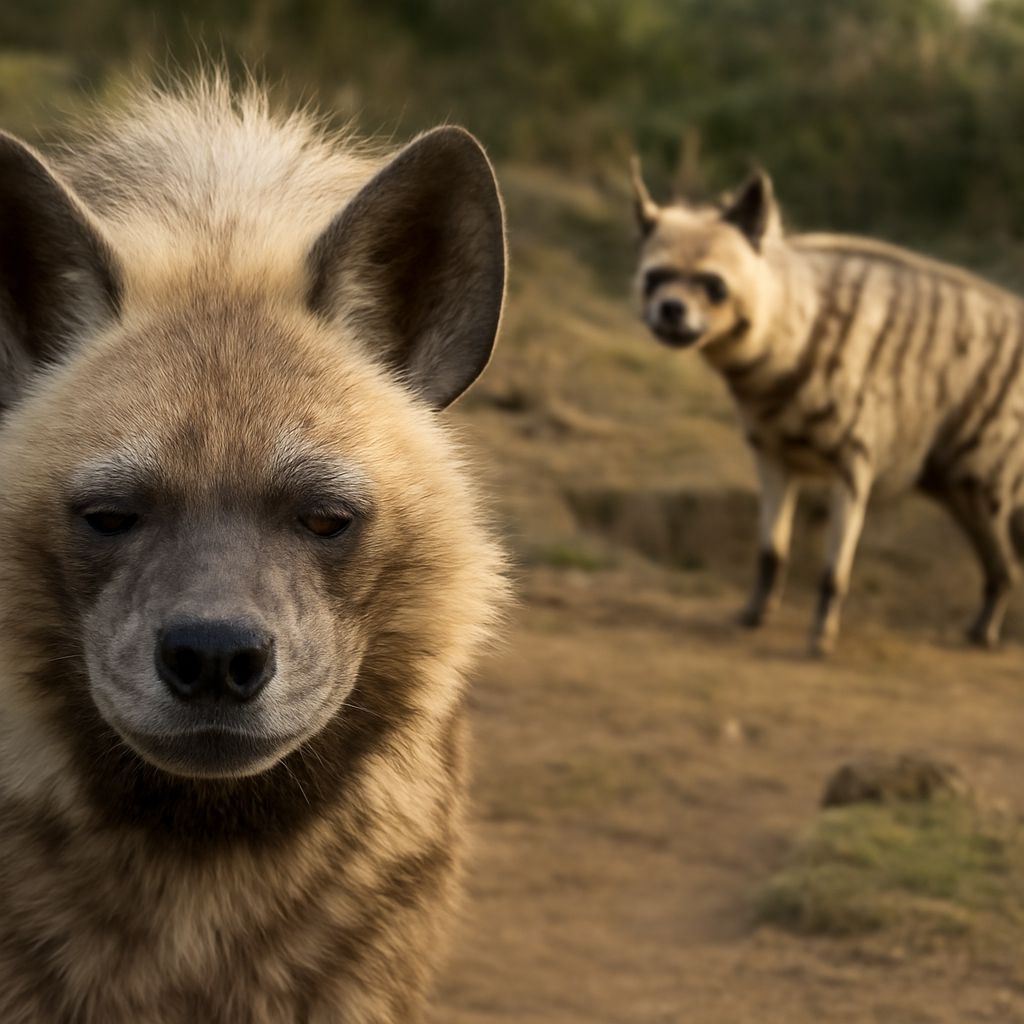
Exploring the vibrant world of hyena colors reveals a stunning array of unique hues that not only captivate the eye but also offer insights into these remarkable creatures. The interplay of their natural colors serves as a fascinating reflection of their lifestyle and the habitats they thrive in. By understanding hyena colors, you gain a deeper appreciation for nature’s intricate designs and find inspiration to incorporate these patterns into your own creative projects.
Hyena colors are more than just a visual treat; they play a crucial role in the animals’ behavior and interactions. Discover how these unique hues influence their daily lives and survival strategies, providing a remarkable example of nature’s innovation.
Introduction to Hyena Colors
Hyenas are often associated with their characteristic laughter, but their coats are equally intriguing. The colors serve as camouflage, blending with the dry savannas and open plains they inhabit. This natural palette ranges from sandy browns and grays to striking blacks and whites. Each hue contributes to their survival, making hyena colors a crucial aspect of their existence.
Natural Variations in Hyena Colors
Hyena colors vary significantly among the different species. The spotted hyena, for instance, features a sandy base with dark spots, providing effective camouflage. In contrast, the striped hyena boasts a more subdued gray and black pattern. These variations are adaptations that enhance their ability to thrive in diverse environments.
Understanding these variations helps you appreciate the evolutionary pressure that has shaped these animals over millennia. The coloration not only aids in blending with their surroundings but also plays a role in social signaling within hyena clans.
Design Inspiration from Hyena Patterns
Designers and artists can draw a wealth of inspiration from hyena patterns. The unique colors and spots offer a natural aesthetic that can be adapted into textiles, fashion, and interior design. The contrast between the sandy hues and stark blacks creates a dynamic visual effect that can bring a touch of the wild into modern designs.
By incorporating these patterns into your projects, you embrace a piece of nature’s genius, creating designs that are both captivating and meaningful. Hyena-inspired designs remind us of the beauty and complexity of the natural world and how it can be translated into everyday aesthetics.
The Role of Colors in Hyena Behavior
The colors of a hyena are not just for show; they play an active role in their behavior and interactions. The distinctive patterns help them recognize each other, strengthening social bonds within their clans. During hunting or while defending territories, these patterns can also intimidate rivals or prey.
Observing hyena interactions provides a real-world example of how important visual cues are in animal communication. The unique hyena colors aid in nonverbal communication, essential for their social structures and survival. The intricate dance of color and behavior in hyenas offers a compelling study for anyone interested in the intersection of nature and design.