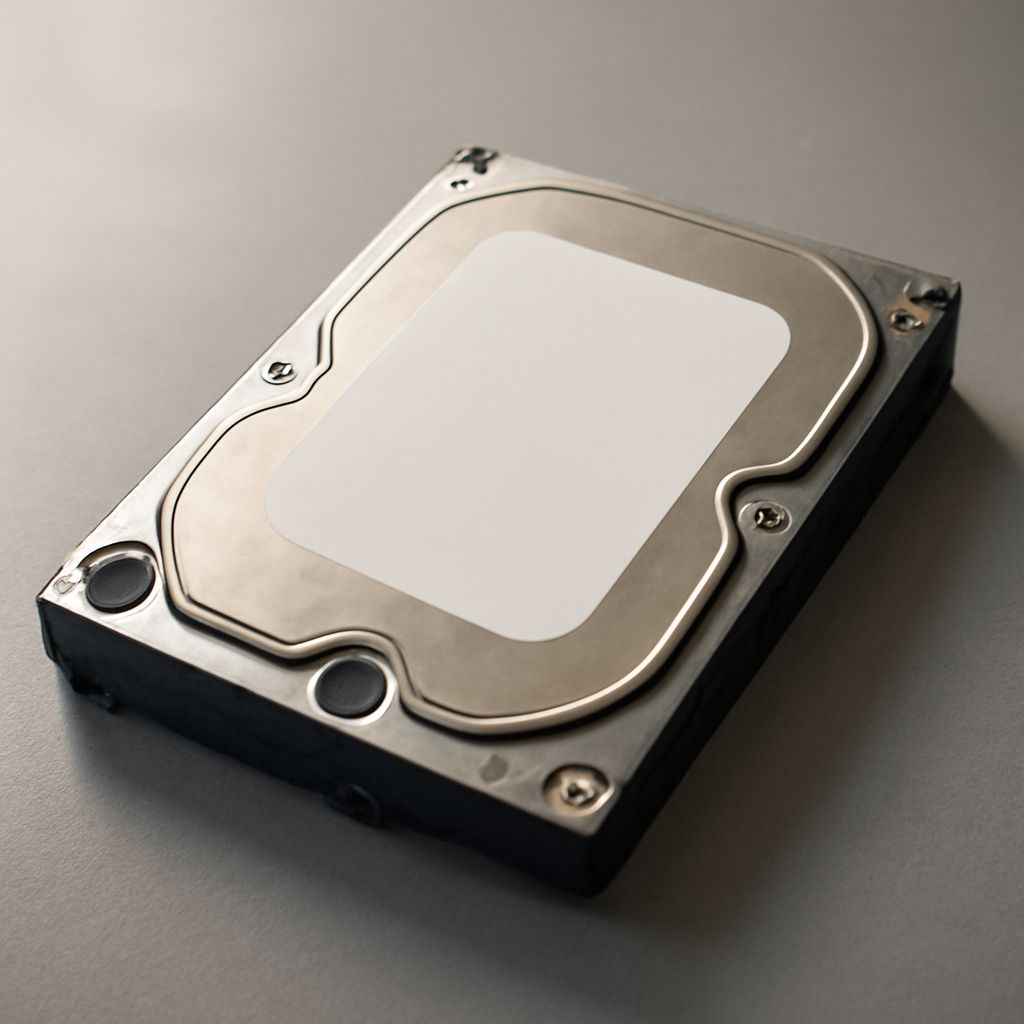
What Does an External Hard Drive Do?
In our fast-paced digital world, having a reliable storage solution is essential. A cloud external hard drive offers not only substantial space but also the convenience and security you need to enhance your tech lifestyle. Understanding what an external hard drive is used for can empower you to manage your data with confidence and flexibility.
Whether you are storing critical work files or treasured personal memories, the integration of cloud features in an external hard drive can transform how you access and protect your data. Let’s delve into the benefits and functionalities that make these devices indispensable in today’s tech-savvy environment.
Understanding What an External Hard Drive Does
Basic Functions and Benefits
An external hard drive primarily provides additional storage space. It connects to your computer via USB, allowing you to transfer large quantities of data easily. This is particularly useful for backing up important documents or creating a portable library of media files.
Beyond simple storage, an external hard drive enhances data security. Unlike internal hard drives, they can be disconnected and stored safely, minimizing the risk of data loss from system failures or theft.
How It Differs from Cloud Storage
Unlike cloud storage, which requires internet access, an external hard drive offers offline accessibility. This means you can access your files without relying on a network connection. However, a cloud external hard drive combines the best of both worlds, offering offline storage with cloud connectivity for easy file sharing and remote access.
This hybrid model provides flexibility. You can choose to store sensitive files locally while backing up less critical data to the cloud, maximizing both security and convenience.
The Growing Trend of Cloud External Hard Drives
Advantages of Cloud Integration
Cloud external hard drives have become popular due to their seamless integration with cloud services. This allows you to automatically sync your data and access it from any location. The ease of sharing files with others makes collaboration straightforward and efficient.
Another advantage is the enhanced data protection offered by cloud backups. Even if your physical drive is lost or damaged, your data remains safe and accessible in the cloud.
Considerations for Choosing One
When selecting a cloud external hard drive, consider factors like storage capacity, speed, and compatibility with your devices. Check for compatibility with multiple operating systems if you use various devices.
Additionally, evaluate the security features offered by the cloud service provider. Ensure there are robust encryption and authentication procedures in place to protect your data from unauthorized access.
How to Use an External Hard Drive
Step-by-Step Setup Guide
To set up your external hard drive, begin by connecting it to your computer using the provided USB cable. Most drives are plug-and-play, meaning they’ll be recognized immediately. If not, follow any included installation instructions.
Create a folder structure that matches your organizational needs. This will make finding and managing files more intuitive. Transfer data by dragging and dropping files into the designated folders on the drive.
Maintenance Tips for Longevity
Regularly check for drive updates from the manufacturer to ensure optimal performance. Keep your drive clean and store it in a safe, dry place to avoid physical damage.
Consider using protective cases, especially for portable drives. This helps prevent damage from drops or spills, extending the lifespan of your device.
Do You Need an External Hard Drive?
If you’re dealing with large volumes of data or need reliable backups, an external hard drive is invaluable. It offers more control over your data compared to cloud solutions alone, particularly for files requiring high security.
However, if your needs include frequent remote access and file sharing, a cloud external hard drive offers the perfect balance of local and online storage capabilities.