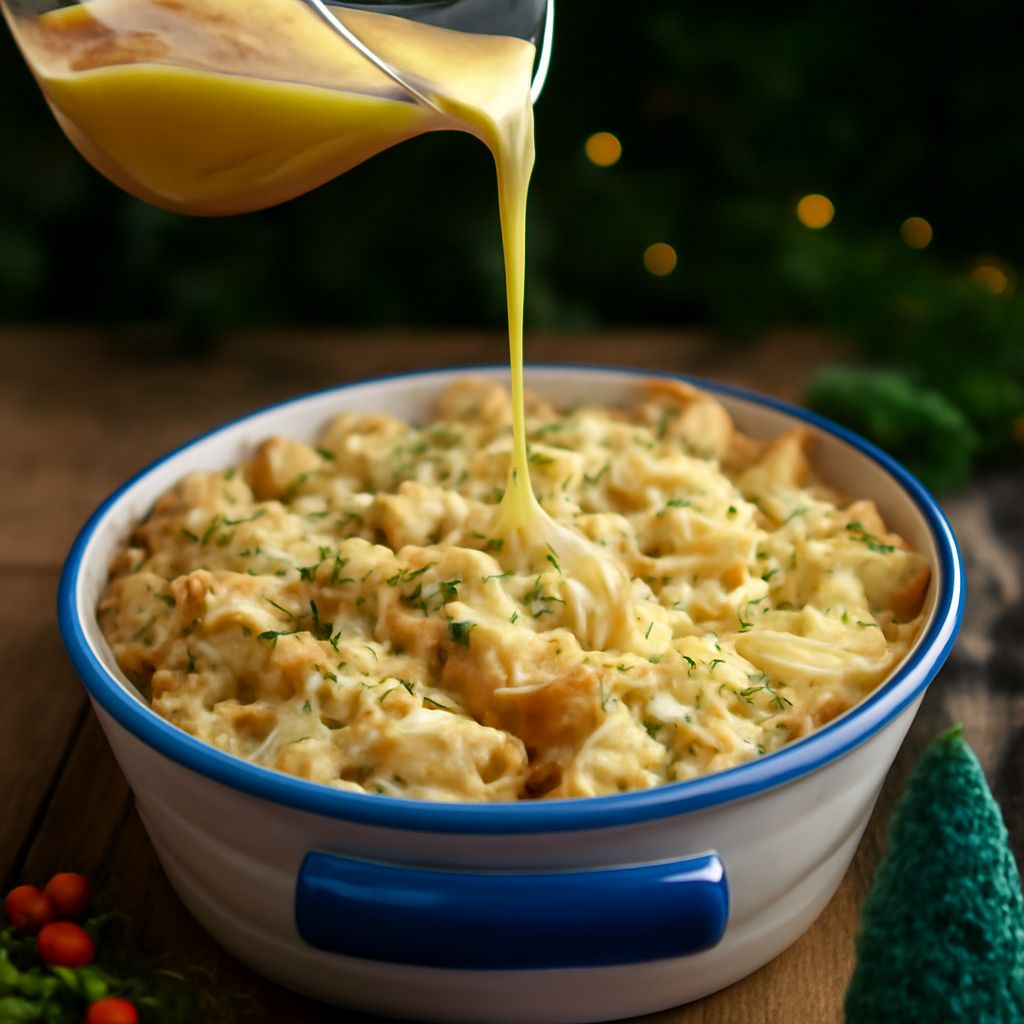
Food Photography Tips for Stunning Shots
Unlock the potential of your culinary creations with captivating food photography. When you learn essential food photography tips, you elevate your storytelling and bring dishes to life. Whether you’re a budding photographer or a seasoned pro, mastering the art of food photography offers you endless creative possibilities.
By effectively using food props, incorporating fake food props, and honing your skills in macro photography, you can create dynamic images that captivate and inspire. Dive into these techniques and start capturing healthy food photography like never before.
Essential Food Photography Tips
Understanding Lighting
Lighting is the cornerstone of any great photograph, especially in food photography. Natural light is your best friend, offering soft and diffused illumination that highlights the textures and colors of your dishes. Position your setup near a window, using sheer curtains to soften harsh sunlight.
Experiment with the angle and intensity of the light. You can create shadows and depth by playing with the direction, bringing different moods to your shots. When natural light isn’t an option, consider using a reflector or a softbox to mimic its effect.
Choosing the Right Angles
Angles can dramatically alter the perception of your food photography. Shooting from above provides a comprehensive view of the entire setup, perfect for flatlays featuring multiple elements like a breakfast spread. Alternatively, a side angle can accentuate height and layers, making it ideal for burgers or cakes.
Don’t shy away from experimenting. Try capturing your dish from several perspectives to determine which angle best conveys its story. Remember, the goal is to showcase the food’s most appealing attributes.
Using Food Props Effectively
Selecting Food Props
Food props are essential for dynamic images, adding context and personality to your photos. Choose props that complement and enhance your dish without overpowering it. Consider the color palette, texture, and overall theme when selecting props like plates, cutlery, and linens.
Simplicity is often key. A few well-chosen items can create an inviting and cohesive look, drawing attention to the main star—the food.
Incorporating Fake Food Props
Fake food props can be invaluable when real ingredients might wilt or melt under camera lights. They maintain their appearance throughout long shoots, allowing you to focus on capturing the perfect shot. Use them strategically to support your real dish.
Ensure these props match the color and texture of the actual ingredients to maintain realism. This technique allows you to refine your composition without the pressure of perishable goods.
Mastering Macro Food Photography
Equipment for Macro Shots
Macro photography lets you explore the intricate details of food, revealing textures and patterns invisible to the naked eye. A macro lens is a vital investment, offering sharp focus and magnification. Consider lenses with a focal length between 60mm and 105mm to get close without distortion.
Stability is crucial for macro shots. Use a tripod to minimize camera shake and ensure crisp images. Explore various depths of field to highlight specific elements of your dish, enhancing its visual appeal.
Capturing Healthy Food Photography
Healthy food photography celebrates the vibrancy and freshness of nutritious ingredients. Highlight colors and textures that convey a sense of vitality and well-being. Fresh fruits, vegetables, and grains provide excellent subjects with their natural appeal.
Focus on balance and harmony in your composition. Arrange ingredients thoughtfully, showcasing their natural beauty. Pair them with minimalistic props to maintain a clean and wholesome aesthetic, ensuring the focus remains on the healthy food itself.
By applying these techniques and incorporating fake food props strategically, you can elevate your food photography skills. Each tip offers a pathway to more engaging and appealing culinary images, inspiring your audience and enhancing your creative portfolio.