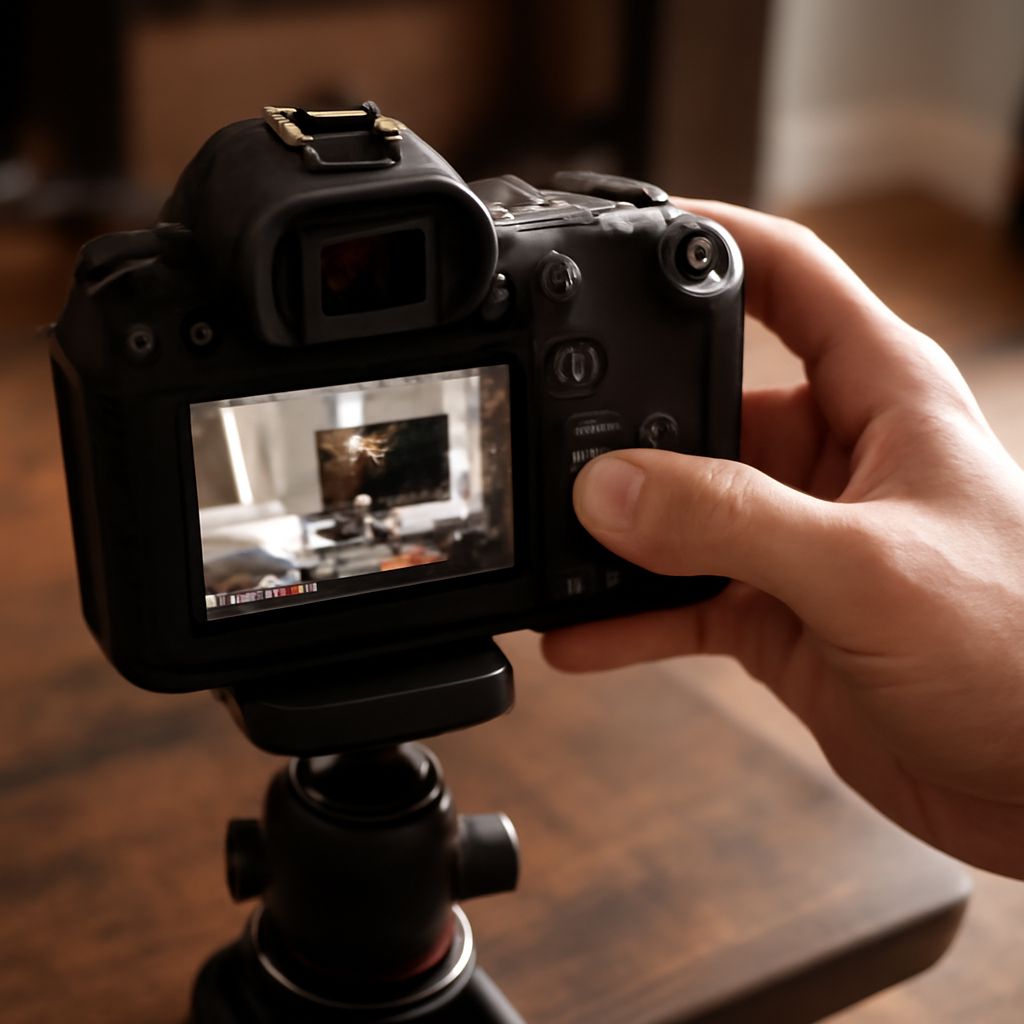
What Is a DSLR Camera: Basics, Japanese Camera Brands, and Settings Explained
If you’ve ever asked what is a DSLR camera, you’re not alone. DSLR stands for digital single-lens reflex, a camera design that uses a mirror and optical viewfinder system to show you exactly what the lens sees before you press the shutter. This technology made high-quality photography accessible to non-professionals starting in the early 2000s.
Understanding whats a DSLR camera means understanding why it became the standard for serious photography before mirrorless systems emerged. The major Japanese camera brands that dominate this category, and the basic camera settings you need to learn, are all covered in this guide.
How a DSLR Camera Works
The Mirror and Sensor System
The defining feature of what is a DSLR camera is the mirror inside the body. Light enters through the lens, hits the mirror at a 45-degree angle, and reflects upward through a pentaprism or pentamirror into the optical viewfinder. When you press the shutter, the mirror flips up, exposing the sensor to light for the duration of the shutter speed you’ve set.
This mechanical system is what distinguishes a DSLR from a mirrorless camera, where there is no mirror and the sensor captures light continuously for electronic viewfinder display. The mirror in a DSLR adds bulk and weight but delivers zero display lag and excellent battery life.
Sensor Size Options
DSLRs come in full-frame and crop sensor (APS-C) variants. Full-frame sensors match the dimensions of 35mm film and produce better low-light performance and shallower depth of field at equivalent focal lengths. Crop sensors are smaller, making the camera body and lenses more compact and affordable.
When exploring whats a DSLR camera setup for beginners, APS-C models from Japanese camera brands offer the best entry point. They deliver image quality well beyond what phone cameras produce while keeping costs manageable.
Japanese Camera Brands That Lead the DSLR Market
The major Japanese camera brands have dominated DSLR manufacturing since the format emerged. Canon and Nikon hold the largest market shares in the DSLR segment. Canon’s EOS line and Nikon’s D-series span from entry-level to professional bodies, with an extensive ecosystem of native lenses for each.
Sony, Pentax, and Olympus also contribute to the Japanese camera brands landscape. Sony shifted its focus heavily toward mirrorless systems, while Pentax continues producing weather-sealed DSLRs aimed at outdoor photographers. Understanding which brand’s lens ecosystem suits your long-term plans matters more than any single camera body decision.
Basic Camera Settings You Need to Know
Once you understand what is a DSLR camera physically, learning basic camera settings is the next step. The exposure triangle, aperture, shutter speed, and ISO, controls how much light reaches your sensor and how motion and depth of field appear in your images.
Start in Aperture Priority mode (Av on Canon, A on Nikon). Set your aperture, let the camera choose shutter speed, and adjust ISO manually if needed. This approach teaches you how aperture affects depth of field while letting the camera handle the rest. After two to four weeks of shooting this way, you’ll have enough intuition to switch to full manual mode.
A camera lens travel mug won’t teach you photography, but it does signal how deeply camera culture has permeated daily life. The real skill comes from understanding basic camera settings well enough to control your results deliberately.
Key takeaways: Japanese camera brands built the DSLR into the standard for serious photography. Understanding what is a DSLR camera means knowing how its mirror system works. Master basic camera settings in Aperture Priority before moving to full manual control.