Slow Shutter Speed: How to Use It for Stunning Low-Light Shots
Understanding shutter speed changes how you see every scene in front of your camera. A slow shutter speed lets light collect on the sensor over a longer period, which gives you the ability to capture motion blur, paint with light, and shoot in dark rooms without cranking ISO into noisy territory. A low shutter speed is your best tool when the light disappears and the scene stays interesting.
Whether you’re shooting gi joe low light action figures with creative blur or photographing low light orchids in a dim greenhouse, the same principles apply. Master this one setting and your low-light photography improves across every subject.
What Slow Shutter Speed Does to Your Image
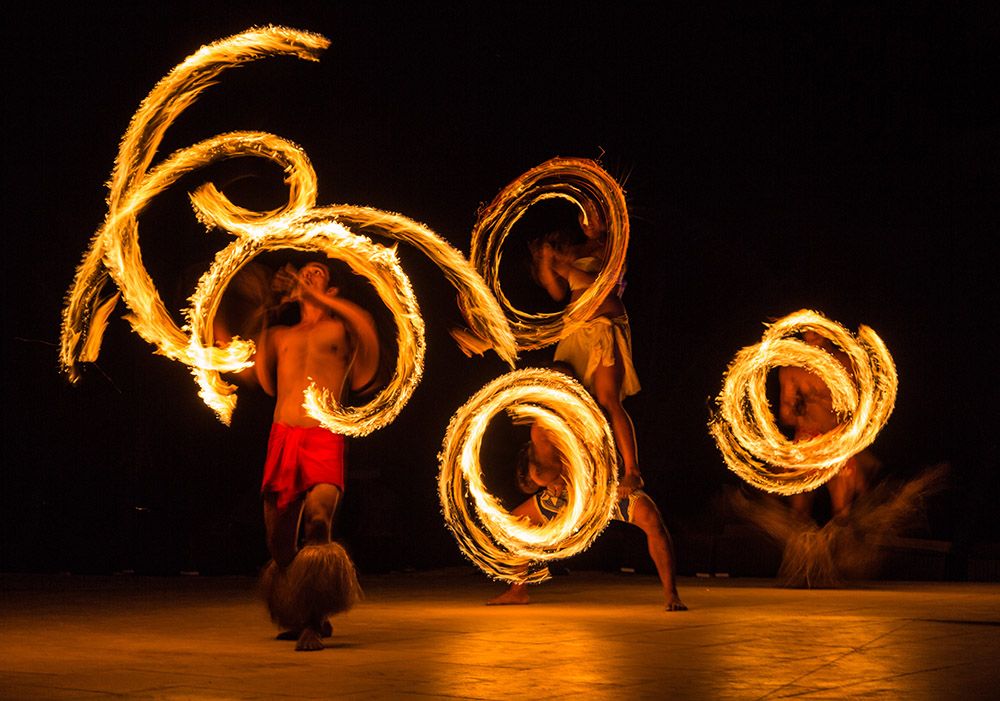
When you set a slow shutter speed, anything that moves during the exposure records as a blur. Water becomes silk. Car headlights stretch into light trails. A person walking through frame turns into a ghost. This effect is intentional and powerful when you control it.
A low shutter speed of 1/30s or slower on a handheld camera risks camera shake, which blurs the entire frame, not just moving subjects. Use a tripod for anything below 1/60s unless your lens has optical stabilization. Check sharpness at 100% zoom on your screen after each shot.
Creative Uses in Everyday Scenes
Shooting gi joe low light tabletop scenes with a 2-second exposure on a stable surface gives you sharp subjects and a completely dark, clean background if the room is dim. Position a small LED panel 6 inches to the left of your figure and use a black foam board on the right to absorb spill light.
For low light orchids, a shutter speed of 1/15s to 1/4s at f/5.6 keeps your depth of field workable while collecting enough light from a nearby window. Anchor the pot so the flower doesn’t sway mid-exposure.
Settings to Pair With a Low Shutter Speed
Slow shutter speed works with ISO and aperture in a three-way relationship. When you slow the shutter, you can lower ISO (reducing grain) or close the aperture (increasing sharpness throughout the frame). Understanding shutter speed means knowing which trade-off fits your shot.
For static subjects in low light, drop ISO to 400 or lower, set aperture to f/8 for sharpness, then let the shutter stay open as long as needed. For a moving subject you want sharp, raise ISO instead of slowing the shutter.
Avoiding Common Low-Light Mistakes
The most common error with a slow shutter speed is skipping the tripod. A 0.5-second exposure with camera shake looks identical to an out-of-focus shot. A $30 tabletop tripod handles most still-life and indoor situations cleanly.
Use your camera’s 2-second self-timer or a remote shutter release to prevent vibration when pressing the button. This small step eliminates blur that optical stabilization cannot fix.
Understanding shutter speed also means knowing when to switch back to faster settings. If your subject moves unpredictably, a slow shutter speed stops working in your favor. Adjust in real time rather than committing to one exposure setting for an entire session.