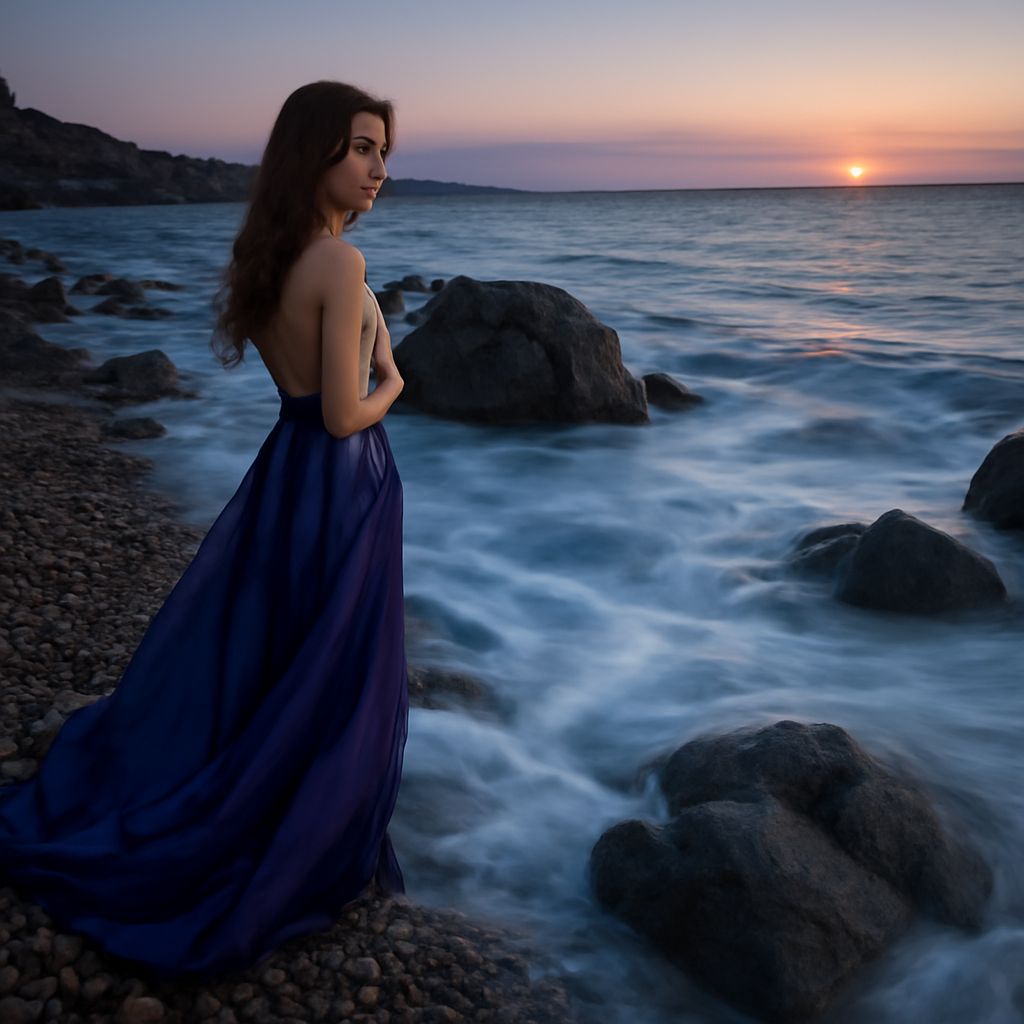
Long Exposure Photography: Techniques, Gear, and Ideas
Long exposure photography uses a slow shutter speed — anywhere from 1/4 second to several hours — to capture motion and time in a single frame. Waterfalls blur into silk. Car headlights trace glowing trails. Stars rotate in arcs around the celestial pole. Long exposure shots compress time in ways that no other photographic technique achieves, and the technical requirements, while specific, are learnable in a single afternoon of practice.
This guide covers the equipment and settings for long-exposure photography in different contexts, how long exposure night photography differs from daytime long exposure work, and a set of long exposure photography ideas for different skill levels and environments.
Equipment and Settings for Long Exposure Shots
Three things are non-negotiable for long exposure photography: a tripod, a shutter release (remote or camera timer), and patience. Any camera movement during the exposure causes blur across the entire frame — not the intentional motion blur of the subject, but a global smear that destroys sharpness. A tripod removes camera shake; a 2-second timer delay or cable release eliminates the vibration from pressing the shutter button.
For long exposure shots in daylight, you need to reduce the light entering the lens to allow a slow shutter. ND (Neutral Density) filters do this. An ND10 filter (10 stops) reduces a 1/500s daylight exposure to approximately 2 seconds. An ND6 gives you roughly 1-second exposures in bright conditions. Stacking ND filters extends exposure time further but can introduce color casts in some brands.
The standard settings for long-exposure photography daytime: ISO 100 (lowest native ISO), aperture f/8–f/11 (sharpest range for most lenses), shutter speed determined by the ND filter in use. Check your histogram after each exposure — adjust shutter speed rather than ISO or aperture to control exposure.
Long Exposure Night Photography: Stars, Trails, and Light Painting
Long exposure night photography breaks into three categories: Milky Way and astrophotography (15–30 second exposures, high ISO), star trails (30 minutes to 3 hours, stacked exposures or a single multi-hour frame), and light painting (seconds to minutes with controlled artificial light sources).
For star trails, the simplest method is stacking: take 200–300 individual 30-second exposures at ISO 800–1600, then combine them in StarStax (free) or Photoshop. The alternative — a single multi-hour exposure on BULB mode — risks sensor overheating and creates read noise that stacking avoids.
Long exposure photography ideas for beginners: shoot a waterfall at 1/4 to 2 seconds (shows silk blur without over-smoothing). Shoot traffic at night from an overpass at 8–15 seconds (light trails). Shoot a moving cloud bank over a still landscape at 30–60 seconds with an ND filter. Each of these is achievable on a first attempt with a tripod and basic camera settings.