Landscape Photography Tips That Actually Improve Your Shots
Good landscape photography tips don’t age. The fundamentals of light, composition, and timing stay consistent whether you’re shooting mountains, coastlines, or desert landscape photography in the American Southwest. Learning these principles once gives you a repeatable system that works across every location you visit.
This landscape photography tutorial covers the core techniques alongside the specific challenges of desert work. Apply these tips for landscape photography on your next outing and you’ll see measurable improvement in sharpness, depth, and color accuracy within a single session.
Light and Timing for Landscape Work
Golden Hour Is Non-Negotiable
The single most impactful of all landscape photography tips is to shoot at golden hour. The 30 to 60 minutes after sunrise and before sunset give you warm, directional light with long shadows that reveal texture in rock, sand, and vegetation. Midday sun flattens everything.
For desert landscape photography specifically, early morning offers another advantage: the air is cooler, heat shimmer is minimal, and the low sun rakes across sand and rock formations to emphasize every ridge and grain. Set your alarm for 45 minutes before sunrise to arrive and compose before the light peaks.
Blue Hour and Night Work
Tips for landscape photography often skip blue hour, but it’s one of the most underrated windows for desert and mountain work. The 20 minutes after sunset give you deep blue sky with enough ambient light to capture foreground detail without extreme ISO. Use a 20 to 30 second exposure at f/8 and ISO 400 to 800.
Composition and Depth Control
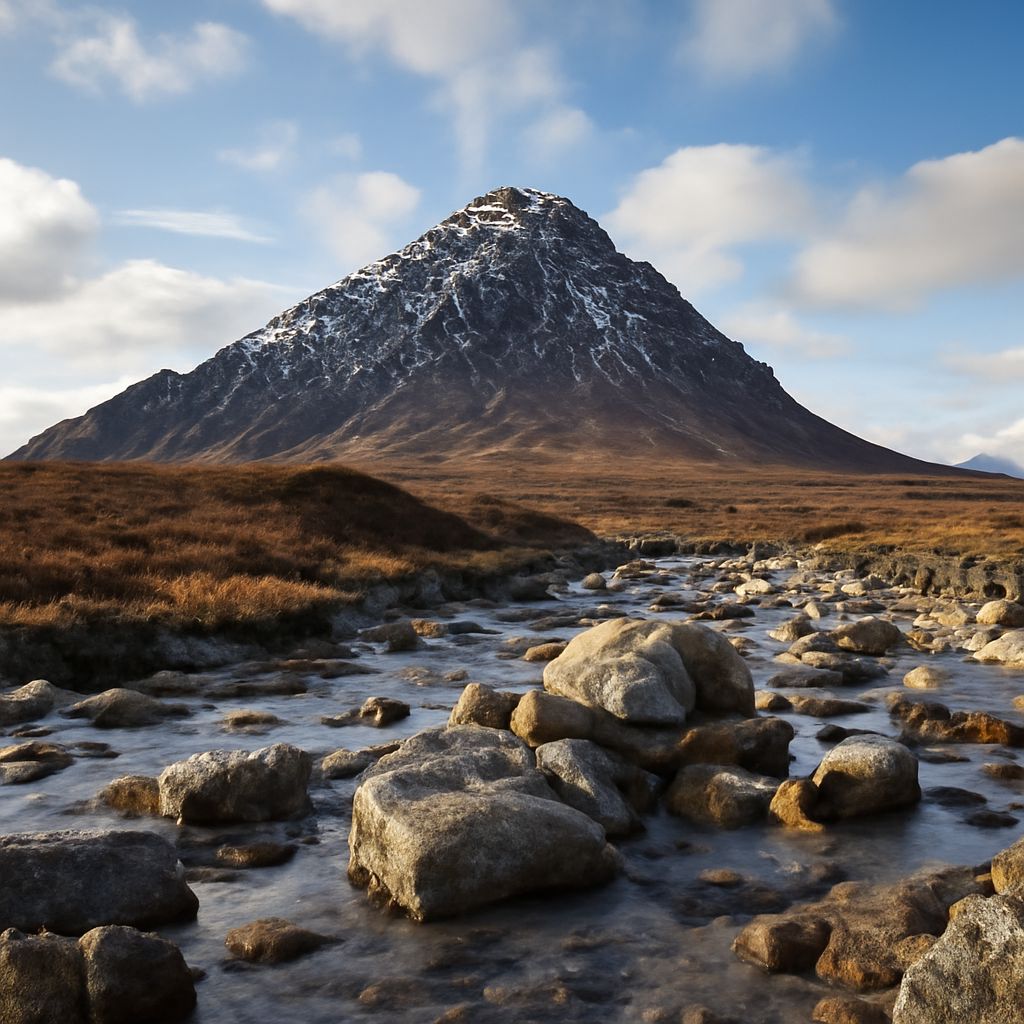
A landscape photography technique that separates good shots from great ones is deliberate foreground placement. Find rocks, wildflowers, leading lines, or textured sand within 3 to 5 feet of your lens. At f/11 with a wide-angle lens, you can keep foreground and background both sharp.
This landscape photography tutorial approach uses the hyperfocal distance principle. Focus roughly one-third of the way into your scene rather than on the horizon. Most wide-angle lenses at f/11 give you sharpness from 2 feet to infinity when focused correctly.
A landscape photography technique that takes practice is patience. Wait for the light to change rather than moving to a new location every few minutes. The best landscape photographers often spend two hours at a single composition, waiting for clouds, wind, or shifting light to complete the frame.
Desert-Specific Landscape Photography Tips
Desert landscape photography introduces challenges that don’t appear in other environments. Sand and dust enter camera bodies through port gaps even on sealed models. Keep a dry cloth over your camera bag when you’re not shooting and wipe lens elements frequently.
Heat shimmer becomes significant above 90 degrees Fahrenheit. If you’re shooting toward the horizon in midday heat, atmospheric distortion will soften your background regardless of aperture. Schedule desert landscape photography sessions for the first two hours of daylight or the last hour before sunset to avoid this entirely.
Extreme contrast between bright sky and dark shadow is the defining challenge in desert work. A 3-stop graduated neutral density filter placed over the sky portion of the frame lets you balance exposure without the halo artifacts that HDR blending sometimes introduces.