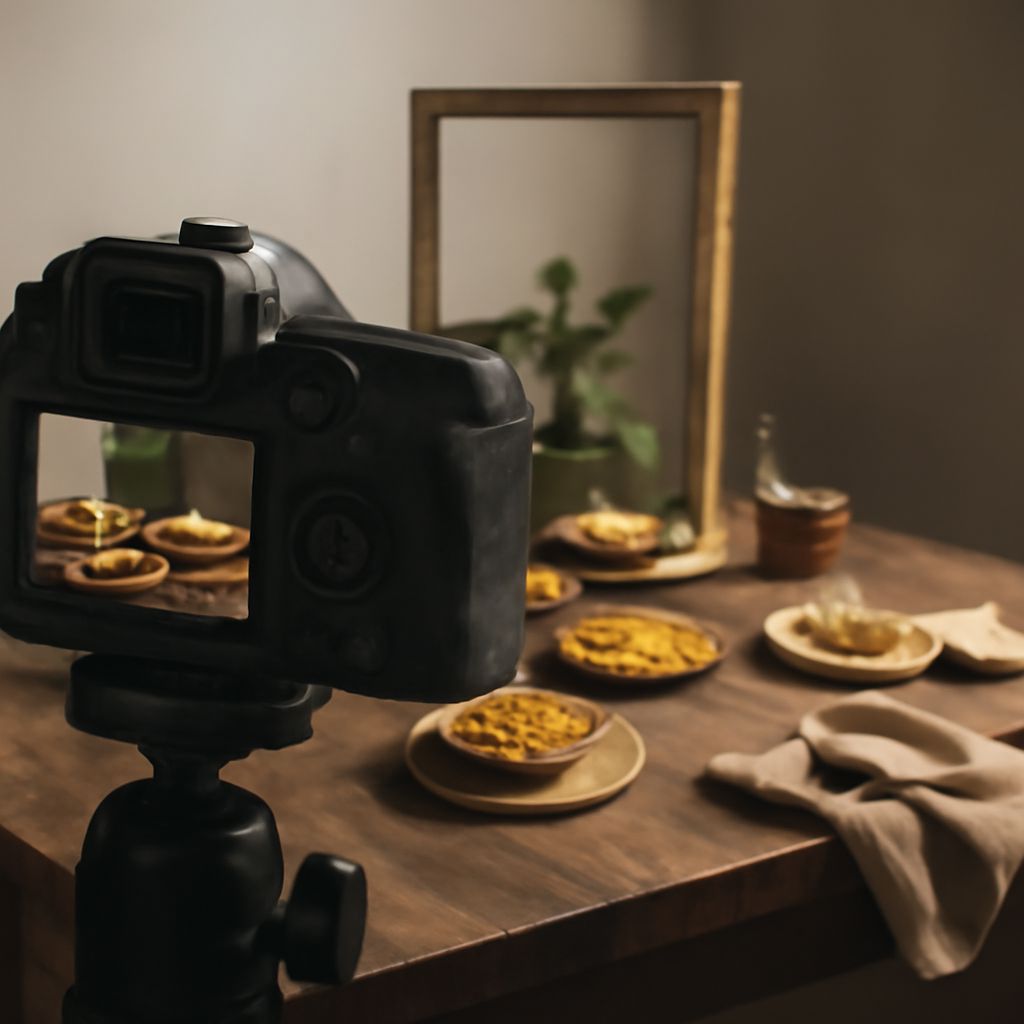
Fake Window Light: DIY Techniques for Window Light Photography
Getting the look of natural window light without an actual window is one of the most useful skills in portrait and product photography. Fake window light lets you shoot on your schedule — no chasing golden hour, no waiting for overcast skies. You replicate the softness, directionality, and gradual falloff that natural window light produces, using tools you already own or can build cheaply.
Window light photography depends on two things: a soft, directional source and a clear separation between lit and unlit areas. Whether you use a large softbox, a DIY diffusion frame, or faux window light panels, the goal is the same. You want light that wraps around your subject slightly and drops off cleanly to shadow on the far side.
Building a Faux Window Light Setup
The simplest faux window light rig uses a 1×3 foot LED panel behind a white diffusion sheet. Place the panel 18 to 24 inches behind the diffusion material. The further back the source sits, the softer the output becomes. Use a PVC frame or a collapsible reflector stand to hold the diffusion sheet at a right angle to your subject.
A window light blocker controls where light spills. Black foam board or a large v-flat with a matte black face stops light from wrapping too far. Set the blocker on the shadow side of your subject, roughly 12 to 18 inches away. You’ll see shadow separation sharpen without losing the soft quality you built with the diffusion panel.
For fake window with light, you can also cut a rectangular opening in a large black board and place it between your light source and subject. The opening acts as a simulated window frame and shapes the light beam into a rectangular patch — exactly what a real window would cast on a wall or floor.
Camera Settings and Positioning for Window Light Photography
Window light photography works best at f/2.8 to f/5.6. This range keeps your subject sharp while letting the background drop into gentle blur. Set your ISO between 100 and 400 to stay clean. Adjust shutter speed to match your ambient level — if you’re mixing fake window light with room light, keep shutter at 1/100 or faster to avoid motion blur.
Position your subject at a 45-degree angle to the light source. This is the classic Rembrandt setup. The nose of your subject should point slightly toward the light, and you’ll see a small triangle of light appear on the shadow-side cheek. That triangle is your quality check — if it’s there, your positioning is correct.
A window light blocker on the opposite side of your setup prevents fill light from washing out the shadow structure. Test with and without the blocker and compare the shadow side. With the blocker in place, you’ll typically gain 1.5 to 2 stops of contrast on the shadow side, giving the image the depth that separates a flat studio look from convincing fake window with light quality.
Practical Tips for Consistent Results
Mark your floor with tape once you find a setup that works. Note the distance from the diffusion panel to your subject, the height of the light center, and the angle of the blocker. Recreating faux window light from session to session takes under five minutes when you have marked positions to return to.
Color temperature matters. Daylight-balanced LEDs (5500–6000K) match the look of midday window light. If you want the warmer quality of late-afternoon sun, gel the panel to 4000–4500K. Warm light flatters skin tones in portrait work and gives product shots an inviting quality that cooler temperatures can’t match.