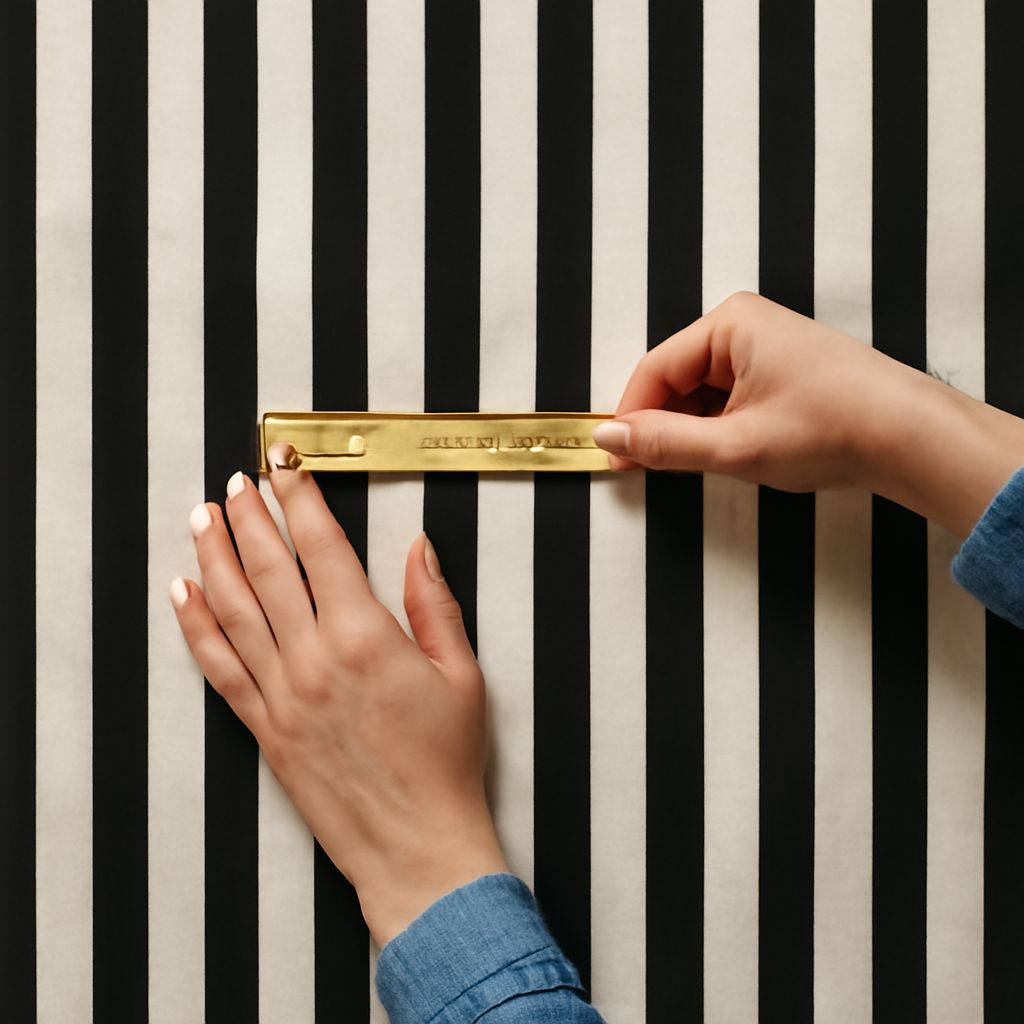
Black and White Stripes: Design Uses, Pattern Types, and Where They Work
Black and white stripes are one of the most versatile pattern elements in design, fashion, and interior decoration. A single black and white stripe can read as bold, elegant, playful, or industrial depending on its width, orientation, and context. Getting those variables right is the difference between a look that works and one that fights with everything around it.
This guide covers stripes black and white in different applications: which black and white stripe pattern widths work best in different environments, how black and white vertical stripes differ visually and functionally from horizontal ones, and where the pattern appears in everything from brand identity to wall treatments.
Black and White Stripe Patterns by Width and Orientation
Stripe width controls visual weight. Thin black and white stripes (under 1/4 inch) read as texture from a distance and as pattern up close. They’re used in suiting, wallpaper, and fine-detail graphic design. Medium stripes (1/2 to 1 inch) read clearly at any distance and carry the most versatility across applications. Wide black and white stripes (2 inches or more) make a bold statement — they work in fashion and interior design but require restraint in how many other elements compete for attention in the same space.
Black and white vertical stripes create the visual illusion of height. In architecture and interior design, vertical stripes on walls push the eye upward and make ceilings feel taller. In fashion, black and white vertical stripes on a fitted garment create a lengthening effect. This is a functional use of the pattern, not just aesthetic preference.
Horizontal stripes in black and white do the opposite — they expand visually. Wide horizontal black and white stripes in a room emphasize width. On clothing, horizontal stripes make the wearer look broader. Neither is inherently bad; both are intentional visual tools that work when the goal matches the application.
Where Black and White Stripes Work Best
In interior design, black and white stripe patterns work best in bathrooms, kitchens, and entryways — rooms where the pattern can read clearly without competing against a lot of other visual complexity. A stripes black and white wallpaper in a small powder room creates a graphic, confident statement that reads well in photos and in person.
In fashion, black and white stripes perform best in single-element applications. A striped shirt works with solid trousers. A striped skirt works with a solid top. Mixing multiple striped elements in different scales is a conscious design choice — fine for editorial fashion, harder to pull off in everyday wear without a clear intentionality.
In graphic design and branding, black and white stripe patterns signal speed, precision, and technical quality. Racing, luxury goods, and photography brands all use stripe systems in their visual language for this reason. The pattern communicates without requiring color, which makes it highly adaptable across print and digital environments.