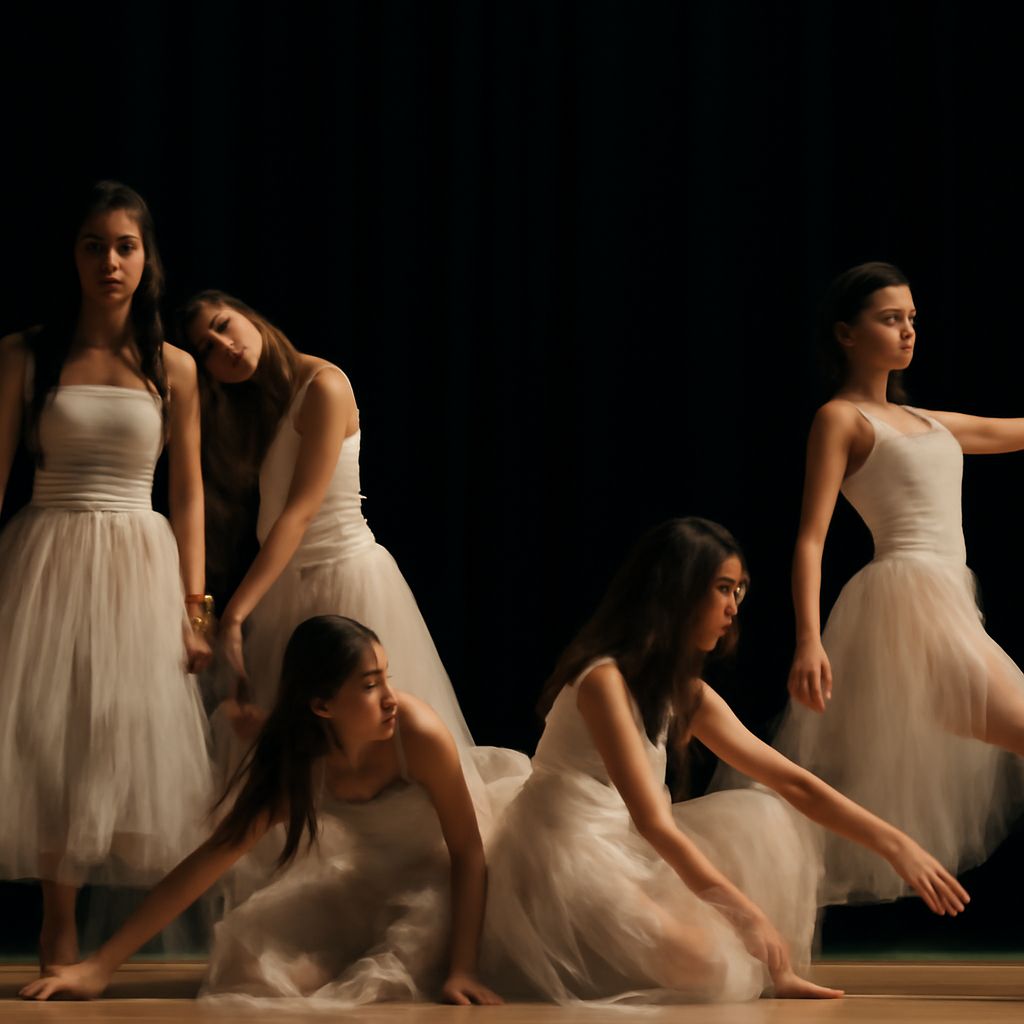
Action Photography: Freeze the Moment in Sports and Street
Action photography rewards photographers who understand their camera settings before the action starts. Whether you’re on the sidelines of a youth soccer game, flying a drone over a coastal landscape, or standing at a street corner at night, the core challenge is the same: capturing motion without blur and subjects without motion freeze that makes them look unnatural.
This guide covers the core techniques for action shot photography in multiple environments, specific settings and timing cues for soccer action shots, how drone photography tips apply to moving subjects, and how street light photography differs from daytime shooting in terms of exposure and timing.
Camera Settings for Action Shot Photography
The most important setting in action photography is shutter speed. For most sports — soccer, basketball, track — you need at least 1/1000s to freeze a running athlete cleanly. Soccer action shots require even faster speeds (1/1500–1/2000s) for shots at the peak of a kick or header, where hands and feet are moving fastest.
Set your camera to continuous autofocus (AI Servo on Canon, AF-C on Nikon/Sony) and use burst mode at 10+ fps. This gives you multiple frames per second to pick the sharpest one. Back-button focus keeps your tracking active without accidentally resetting when you recompose.
For street light photography at night, action shot photography becomes a balancing act. You need a fast enough shutter to freeze pedestrians or cars (1/125–1/250s for walking subjects) but a high enough ISO to maintain exposure. Modern mirrorless sensors handle ISO 3200–6400 with acceptable noise. Shoot in RAW to recover shadow detail without noise amplification.
Drone Photography Tips for Capturing Motion
Drone photography tips for action subjects differ significantly from static landscape work. The drone itself is moving while the subject is also moving, which compounds the challenge. Set your drone’s camera to 1/1000s minimum and use ND filters (ND8 or ND16) in bright conditions to allow wider apertures without overexposing.
For the smoothest action photography from a drone, fly in sport mode for fast subjects and use the drone’s follow mode to automatically track the target. Practice manually tracking a cyclist or vehicle at ground level before attempting a live event. Drone photography tips from working aerial photographers consistently point to smooth, predictable movement as the variable that separates usable footage from jerky throwaway frames.
Soccer action shots from a drone require permits at most organized stadiums. Check with event organizers at least 4 weeks in advance. For informal matches in public parks, local drone regulations typically apply — stay under 400 feet AGL and maintain visual line of sight.