White Tie vs Black Tie: Understanding Formal Dress Codes for Any Event
The white tie vs black tie distinction is one that many people get wrong, and showing up in the wrong dress code at a formal event is uncomfortable for everyone involved. These two designations are not interchangeable. White tie is the most formal dress code in existence. Black tie is formal but one level below, and the difference in what you wear is significant.
Understanding black tie vs white tie means knowing not just the clothes but the contexts where each applies and what variations like black tie white satin trim or a black suit white tie setup signal about the nature of the event.
White Tie: The Most Formal Dress Code
What Men Wear to White Tie Events
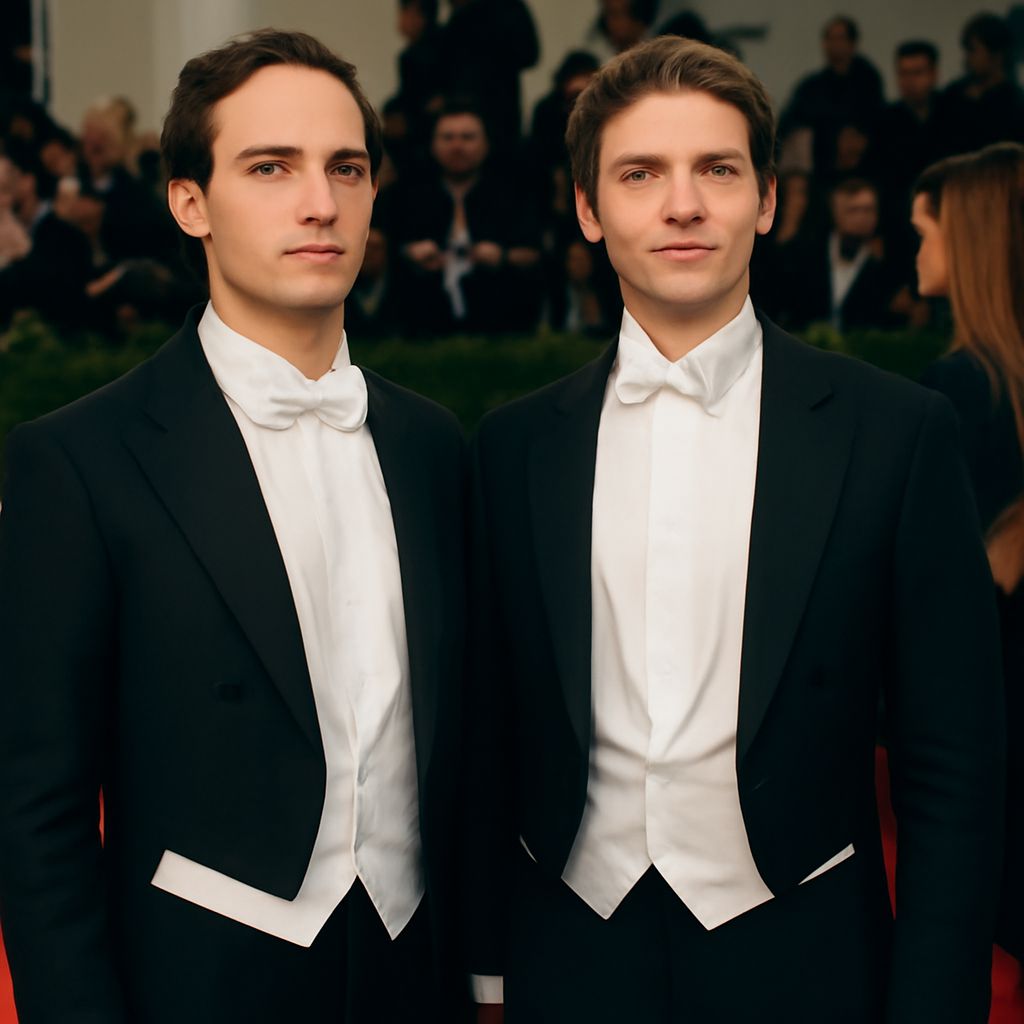
White tie for men means a black tailcoat with matching trousers, a white wing-collar shirt, and a white vest or waistcoat. The bow tie is always white pique cotton, never pre-tied. Black patent leather oxford shoes complete the look. No variation is acceptable at a genuine white tie event.
The white tie vs black tie distinction matters most here. At a white tie event, a man appearing in black tie is visibly underdressed. White tie events include state dinners, opera premieres, certain royal occasions, and debutante balls. If the invitation says white tie, rent or borrow the full ensemble rather than substituting.
What Women Wear to White Tie Events
Women at white tie events wear full-length gowns, opera gloves, and formal jewelry. The standard is evening gown with conservative necklines, though modern interpretations have loosened slightly over time. For the black tie vs white tie comparison on the women’s side, white tie gowns are generally longer, more structured, and more formal than black tie evening wear.
Black Tie: Formal but Flexible
Black tie for men traditionally means a black or midnight blue tuxedo with matching trousers, a white dress shirt, and a black bow tie. The black and white bow tie combination is the visual shorthand everyone recognizes. Patent or highly polished leather shoes are standard.
Modern black tie allows some flexibility that white tie never does. A black suit white tie setup is occasionally seen at creative or fashion-industry events where the dress code is interpreted loosely. This signals awareness of the code while breaking it intentionally. At traditional formal events, a standard tuxedo remains the correct choice.
Black tie white satin details, such as a white pocket square or white satin piping on the lapel, are acceptable variations that add visual interest without departing from the formal register. Women at black tie events wear floor-length gowns, knee-length cocktail dresses, or formal jumpsuits depending on the venue and event culture.
Reading the Invitation Correctly
Invitations sometimes use phrases like “black tie preferred” or “black tie optional,” which signals that the host wants a formal atmosphere but will not require full compliance. In these cases, a dark suit for men and a cocktail dress or formal separates for women are appropriate alternatives.
When the white tie vs black tie question comes down to an ambiguous invitation, call the host or venue directly and ask. Getting it right matters more than avoiding a brief awkward phone call. Bottom line: white tie is reserved for the most ceremonial occasions and admits no substitutions. Black tie is formal but has evolved to include modest variations in color and detail while maintaining its essential elegance.