West Coast Road Trip: Itinerary, Ideas and Planner for the Pacific Route
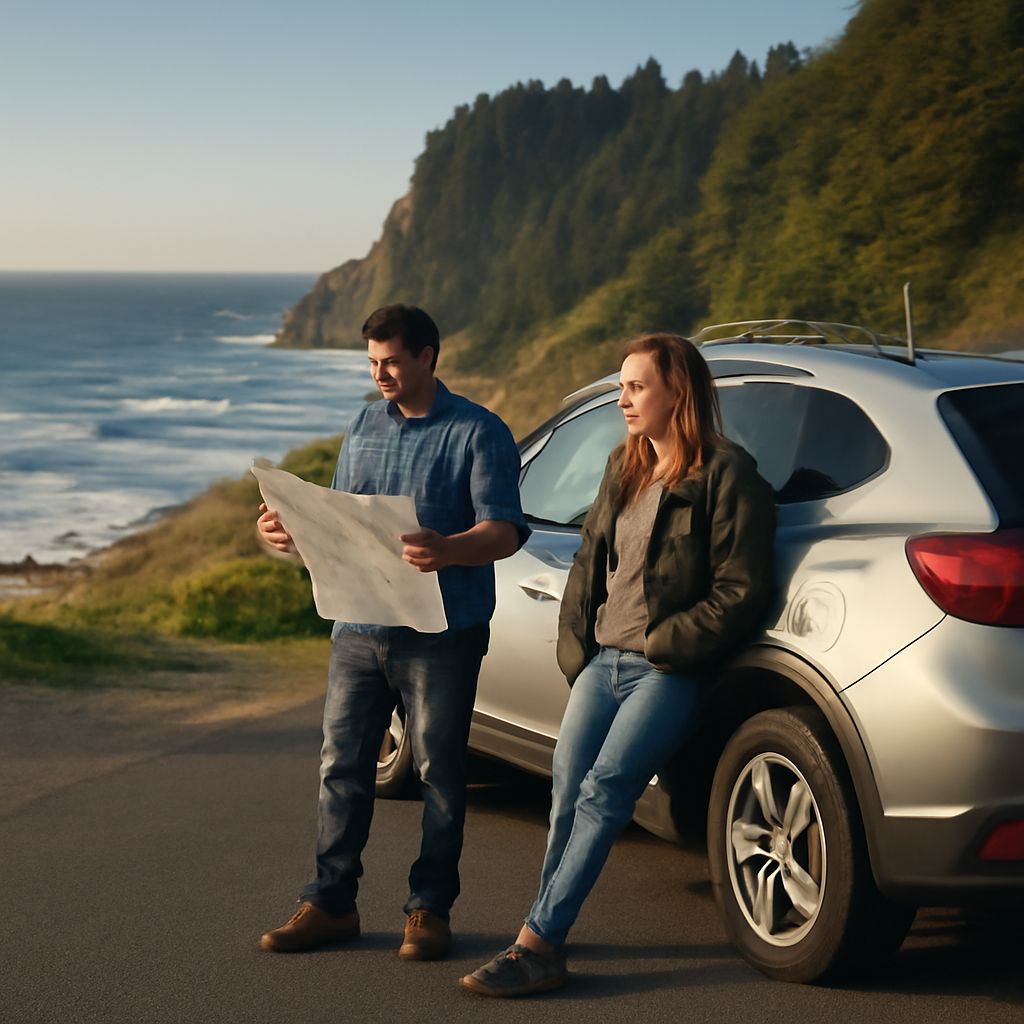
A west coast road trip covers some of the most visually varied terrain in the United States — from the redwood forests of Northern California to the volcanic peaks of Oregon to the glacier-fed rivers of Washington State. The Pacific Coast Highway is the iconic corridor, but a complete road trip west coast experience extends further inland to include Crater Lake, the Columbia River Gorge, and Olympic National Park. Planning which segments to include is the first decision any west coast road trip planner needs to make.
A west coast road trip itinerary from San Diego to Seattle spans approximately 1,400 miles of driving, not counting detours. At a comfortable pace of 200 to 300 miles per day, that’s a 6 to 9 day drive without stops — add 4 to 8 more days for meaningful exploration and you’re looking at a 10 to 17 day trip. This guide helps you structure west coast road trip ideas into a practical schedule that matches your timeline and priorities.
Core West Coast Road Trip Itinerary: Segments and Timing
A west coast road trip itinerary organized by segment gives you the clearest planning framework. Segment 1: San Diego to San Francisco (500 miles) — 2 to 3 days minimum. Drive Highway 1 through Big Sur rather than I-5. Budget 3 hours for the Big Sur coast stretch alone if conditions allow. Segment 2: San Francisco to Crescent City (360 miles) — 1 to 2 days. Stop at Muir Woods, Point Reyes, and the Avenue of the Giants redwood grove. Segment 3: Crescent City to Portland (480 miles) — 2 days. Cross into Oregon via the coast highway through Brookings and Bandon. Segment 4: Portland to Seattle (175 miles) — 1 day, or add 2 days for a Mount Rainier loop.
A road trip west coast plan needs to account for the Oregon coast’s weather. The southern Oregon coast is reliably clear from July through September. The northern Oregon and Washington coast stays foggy through early July in most years. Fog typically burns off by 10 a.m. but can persist all day at headland locations. Schedule coastal drives in the morning and interior stops for fog-prone afternoons.
West Coast Road Trip Ideas for Off-the-Beaten-Path Stops
West coast road trip ideas beyond the standard Highway 1 route include: the Umpqua Hot Springs in the Umpqua National Forest (2.5 miles of moderate trail from the trailhead), the Columbia River Gorge Scenic Highway with 11 waterfalls within 22 miles, and the Hoh Rainforest in Olympic National Park where annual rainfall exceeds 140 inches and moss covers every surface. These stops add 1 to 2 days but deliver images and experiences unavailable anywhere else on the route.
West Coast Road Trip Planner: Logistics and Booking
A west coast road trip planner needs to address campsite reservations before leaving home. Recreation.gov controls reservations for national park campgrounds including those in Redwood, Crater Lake, and Olympic. Sites at popular locations like Crater Lake’s Mazama Campground book out 6 months in advance during summer. Book the moment your dates are confirmed.
Gas stations along the northern California and Oregon coast can be 50 to 80 miles apart in remote sections. Your road trip west coast plan should include a rule to fill up at half a tank whenever you reach a town with a gas station. The segment from Garberville to Crescent City on US-101 has minimal services for 100 miles — plan accordingly.
A west coast road trip itinerary that includes ferry crossings adds texture but requires schedule discipline. The Washington State Ferry system connects Whidbey Island, the Olympic Peninsula, and the San Juan Islands at various points. Ferries fill quickly during summer weekends — check Washington State Ferries for vehicle reservation options on the most popular routes before your trip.