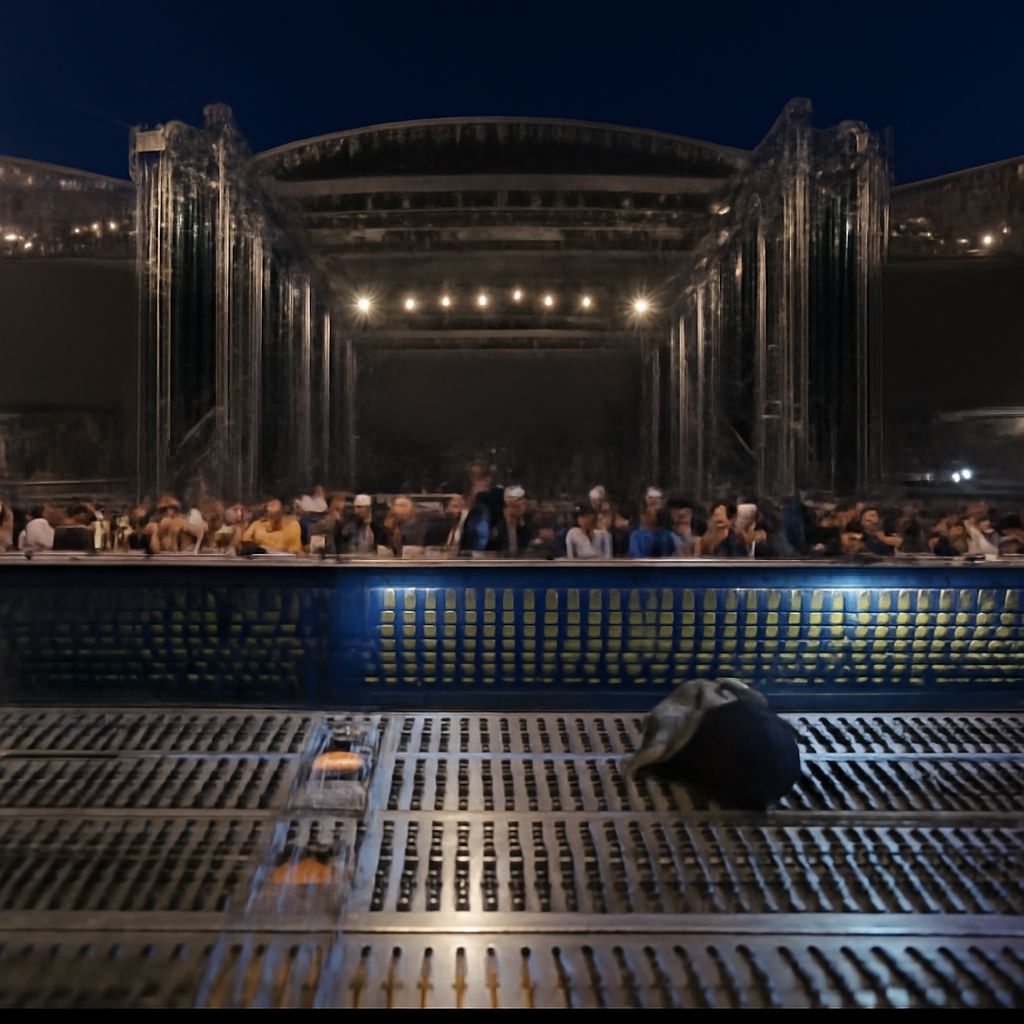
Stage Lighting Equipment: Truss, Pro Sound and Stage Lighting Systems
Stage lighting equipment determines how well a production communicates its intent to an audience. Poorly lit performers look flat and hard to read. Well-designed stage equipment and lighting separates the foreground from the background, focuses attention on the right person at the right moment, and sets the emotional tone of the scene without the audience consciously registering it. Whether you’re rigging a community theater, a corporate event stage, or a touring concert rig, the principles are the same.
This guide covers stage lighting truss systems, how pro sound and stage lighting integrate into a single production workflow, and the specific tools that make up a working stage lighting equipment inventory.
Stage Lighting Truss: Structure and Load Planning
Stage lighting truss is the backbone of any overhead lighting rig. Box truss — a square cross-section aluminum structure — is the most common format. It comes in standard 2-foot, 4-foot, and 6-foot sections that bolt together at the ends with conical couplers. A standard front-of-stage truss might span 20 to 30 feet and carry 12 to 20 fixtures, plus cable runs and DMX data lines.
Load rating is the first number to understand when planning a stage lighting truss system. Most box truss in the 12-inch format (F34) carries a rated working load of 500 to 800 kg per span depending on point-load distribution. Every fixture, cable, and drape adds to that load. Plan at a maximum of 60% of rated capacity — never exceed 80% — and factor in dynamic loads from motorized truss movements if you use them.
Rigging Points and Span Calculations
A 20-foot truss span with uniform loading requires a minimum of three hang points: two at the ends and one at center. Spans over 20 feet need intermediate points spaced no more than 10 feet apart. Consult a licensed rigger for any hang above 12 feet or any truss carrying more than 200 kg total. In professional production, a rigging plot stamped by a structural engineer is standard for touring and large permanent installs.
Pro Sound and Stage Lighting Integration
Pro sound and stage lighting share the same physical infrastructure — power distribution, cable runs, and control networks — and increasingly share the same control protocol. MIDI-triggered lighting cues synced to a live audio mix are now standard on tours. Your lighting console (GrandMA, ETC Eos, or Chamsys) can receive MIDI timecode from your audio workstation, allowing lighting cues to fire automatically on beat or at specific points in a track.
Pro stage lighting power comes from distro boxes — portable power distribution units that break a single 100A three-phase feed into multiple 20A circuits for individual fixtures. Separate your lighting circuits from your audio circuits wherever possible. High-powered moving heads generate significant electrical noise on shared circuits that appears as hum in sensitive microphone preamps.
Core Stage Equipment and Lighting Inventory
Stage equipment and lighting for a mid-size production — a 500-person venue, corporate event, or mid-level touring act — typically includes 12 to 20 wash fixtures, 8 to 12 spot fixtures, 6 to 10 LED par cans for color fill, 2 to 4 followspots, hazers or foggers for beam visibility, and a DMX console. That represents stage lighting equipment valued between $40,000 and $150,000 to purchase outright.
For smaller or one-off productions, renting pro stage lighting from a local production house is more cost-effective than purchase. A one-week rental of a complete stage lighting equipment package — truss, fixtures, control, and cable — typically runs $2,000 to $6,000 for a 300-500 seat venue. The rental company handles transport, and most include a crew day for installation and strike.