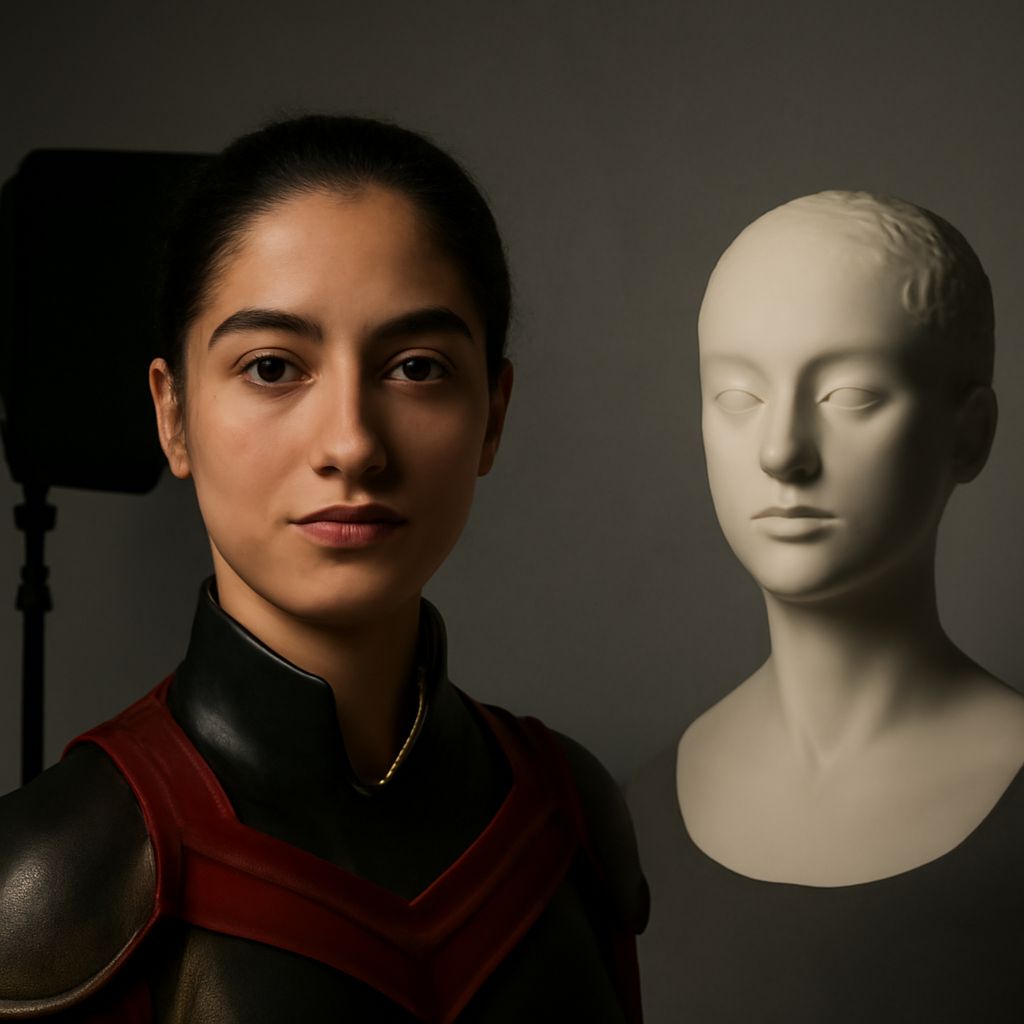
Portrait Lighting Setup: Build Your Ideal Studio Light Rig
A good portrait lighting setup changes everything — the shadows soften, colors pop, and your subject looks confident rather than washed out. Whether you’re copying a bearded dragon lighting setup for reptile-themed shoots or working in a dedicated studio, the core principles stay the same: control your light source, shape it, and position it with purpose.
This guide covers studio portrait lighting from the gear level up. You’ll learn what abstract portrait photography needs in terms of contrast and direction, plus get a repeatable portrait photography lighting setup checklist so every session starts strong.
Core Gear for Your Portrait Photography Lighting Setup
Light Types and Their Roles
Strobes give you a sharp, consistent burst of light you can meter precisely. Continuous LED panels let you see shadows in real time, which helps when dialing in a portrait photography lighting setup without guessing. Most portrait photographers start with one or two strobes rated at 200–400 Ws.
Speed lights work for on-location portrait work or when traveling light. They lack the raw power of a studio strobe, but a pair of speed lights with modifiers can cover 80% of standard portrait lighting scenarios.
Modifiers That Shape the Light
Softboxes spread the light across a larger area, which cuts harsh shadows. A 24×36 inch softbox sits about 3–4 feet from your subject for flattering, even coverage. Umbrellas do the same job at a lower price point, though you lose some directional control.
Beauty dishes produce a slightly punchy, high-contrast look popular in fashion and some abstract portrait photography styles. Grids attach to any modifier and narrow the beam so light stays off the background.
How to Position Lights for Studio Portrait Lighting
Classic Patterns You Should Know
Rembrandt uses a 45-degree key light placed above eye level, leaving a small triangle of light under the eye on the shadow side. Loop places the key light slightly above and to the side, creating a short downward shadow from the nose. Both are part of any solid studio portrait lighting toolkit.
Split puts your main light directly to one side at 90 degrees, splitting the face into equal halves of light and shadow. It reads more dramatic and pairs well with dark backgrounds. Butterfly — key light straight in front and above — flatters high cheekbones and is common in beauty work.
Adjusting for Abstract Portrait Photography
Abstract portrait photography often breaks standard rules. Try a hair light from below or a rim light set to 2x the power of your key to create strong separation. Colored gels on background lights shift the mood fast — a 1/4 CTO gel adds warmth, while a blue gel moves the scene toward a cool, editorial feel.
Ratios matter here too. A 2:1 ratio between key and fill is subtle. Push to 4:1 or 8:1 for abstract portrait work that leans into shadow as a design element.
Practical Checks Before Every Session
Run a quick test frame 10 minutes before your client arrives. Meter the key light first, then add fill until your ratio is where you want it. Check for hot spots on the background — a separate portrait lighting setup for the background usually needs 1–2 stops less than your key.
Flag any stray light spilling onto your subject’s shoulder or the camera lens itself. Even a simple black foam-core board placed between the light and camera kills most flare. A bearded dragon lighting setup relies on full spectrum bulbs; portrait work similarly benefits from daylight-balanced strobes set to 5500K so skin tones render clean in post.
Confirm your shutter speed is at or below sync speed — typically 1/200 or 1/250 depending on your body. Fire a test burst and check the histogram. If shadows block up or highlights clip, adjust power before the session begins, not during it.