National Park Road Trip Guide: Routes, Maps, and Planning Tips
A national park road trip puts some of the country’s most dramatic landscapes within reach without requiring a flight or a fixed itinerary. You set the pace, choose the stops, and adjust the route as conditions change. The freedom is the point. Whether you’re planning a national parks road trip across the Southwest or heading north toward the Rockies, the logistics are manageable once you break them into clear stages.
This guide covers how to plan your route using a national park road trip map, what to book in advance, and how to make the most of each stop along the way. If you’ve seen inspiring content from creators like tara tainton road trip documentation or follow outdoor travel accounts, the practical side of a road trip national parks journey is something you can absolutely pull off on your own.
Planning Your Route
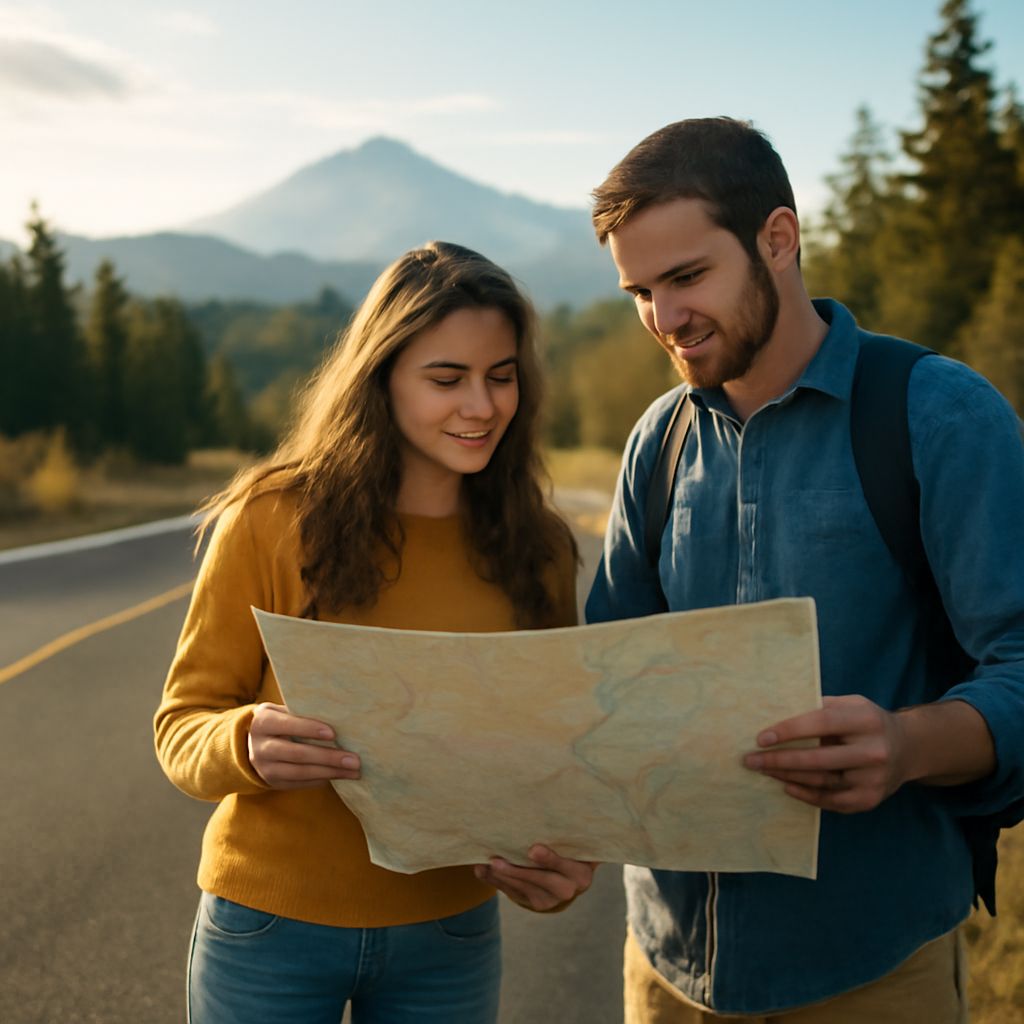
Start with a national park road trip map — the National Park Service website offers a free interactive map where you can filter by region and park type. Decide first on your start and end points, then identify the parks that fall within a reasonable driving corridor. A good rule: limit yourself to no more than 4 to 5 hours of driving per day if you plan to actually explore rather than just pass through.
For a classic national parks road trip in the West, the loop connecting Zion, Bryce Canyon, Capitol Reef, Canyonlands, and Arches covers roughly 800 miles and fits comfortably into 10 to 14 days. Each park warrants at least a full day, and several — like Zion’s Angels Landing trail — justify two. Build buffer days into your schedule because road trip national parks travel surfaces unexpected detours worth taking.
Park entrance fees run $35 per vehicle at most major parks. The America the Beautiful Annual Pass costs $80 and covers unlimited entries for 12 months. If your national park road trip covers more than three fee-charging parks, the pass pays for itself.
Booking Campsites and Lodging
Reservations at national parks now open up to six months in advance on Recreation.gov. Popular campgrounds in Yosemite, Yellowstone, and the Grand Canyon fill within minutes of opening. Set a calendar reminder for exactly six months before your target arrival date and log in at 8 a.m. Mountain Time when the system releases new availability.
If camping isn’t your preference, nearby gateway towns offer lodges, motels, and vacation rentals. These often cost less than in-park lodging and give you access to full kitchens, which cuts food costs on longer trips. For a national parks road trip running two weeks or more, even modest per-day savings add up significantly.
Keep a printed or downloaded offline version of your national park road trip map. Cell service disappears entirely in many park interiors, and relying on a data connection for navigation is a real liability in canyon country or wilderness corridors.
Bottom line: A well-planned road trip national parks adventure starts with a solid map, flexible daily mileage targets, and reservations secured months ahead. Your national parks road trip will reward every hour of prep work you put in before you leave the driveway.