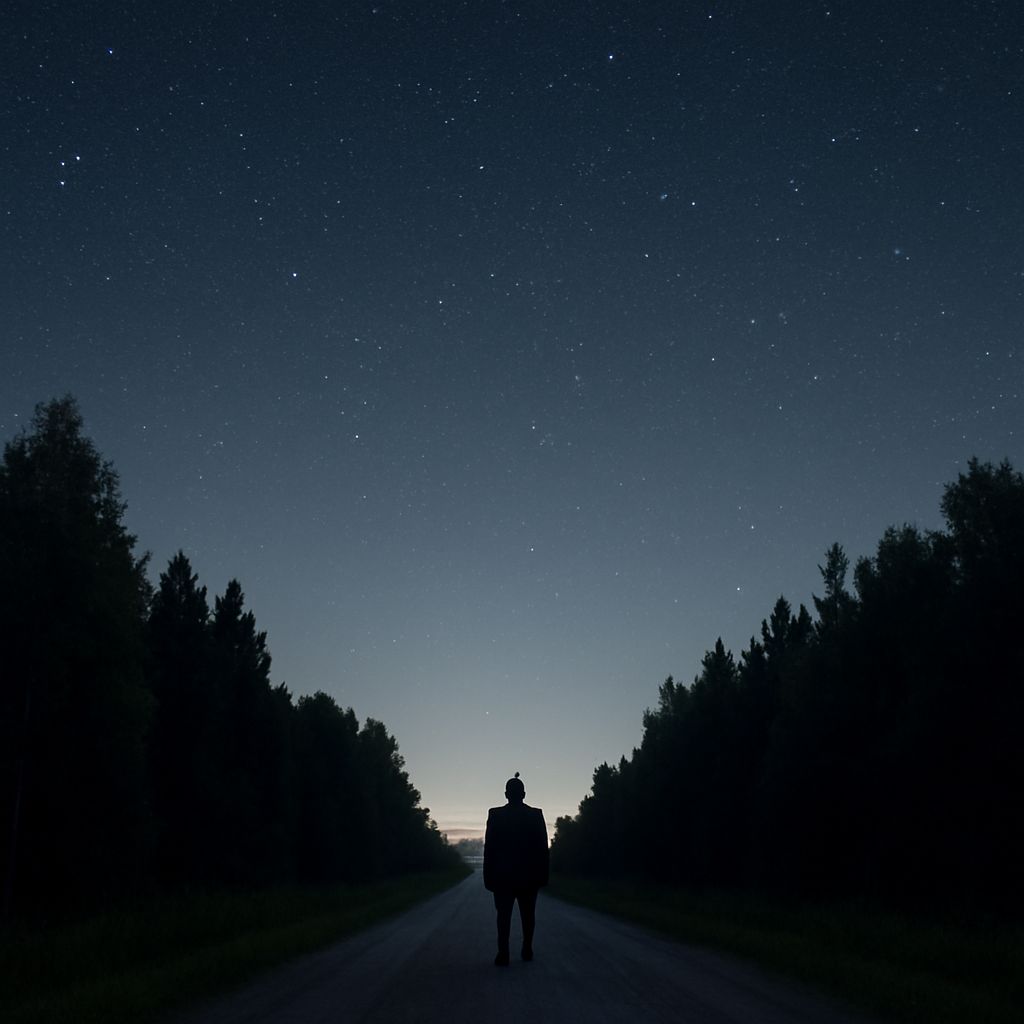
Landscape Photography Settings: Night Time, Filters and Farm Photography
Landscape photography settings are not universal — they depend on the light conditions, the focal length, and whether you’re capturing motion or stillness. The settings that produce a sharp daytime mountain scene differ completely from the settings that produce a clean Milky Way exposure or a correctly balanced farm landscape photography scene at dusk. Understanding why each variable changes, rather than memorizing a single set of numbers, lets you adapt to any outdoor situation.
This guide covers landscape photography settings for daylight and blue hour work, night time photography exposures and technique, night photography ideas to try on your next outing, filters for landscape photography and when to use them, and specific considerations for farm landscape photography where open sky and agricultural texture create distinct compositional opportunities.
Landscape Photography Settings: Daylight and Blue Hour
Landscape photography settings for daytime golden hour typically use a base ISO of 100, an aperture of f/8 to f/11 for maximum depth of field across foreground and distance, and a shutter speed determined by available light (usually 1/125 to 1/500). These settings produce maximum sharpness throughout a wide-angle landscape frame. Stop down to f/16 if you need a starburst effect from the sun, but be aware that diffraction softens images at f/16 and smaller on most sensors.
Filters for landscape photography at these times include a circular polarizing filter — rotate it until glare on water surfaces disappears and sky blues deepen. A polarizer reduces light by 1.5 to 2 stops, requiring a slightly longer shutter speed or higher ISO. Graduated neutral density filters (GND) allow you to balance a bright sky with a darker foreground in a single exposure — a 2-stop soft GND placed at the horizon line is the most versatile starting point for most landscape photography settings.
Filters for Landscape Photography in Different Conditions
A 6-stop or 10-stop solid ND filter extends shutter speed into the range of seconds or minutes during daylight, allowing motion blur in moving water, clouds, or grass. A 10-stop ND requires a shutter speed of roughly 100x the unfiltered exposure — a scene that exposes correctly at 1/100s unfiltered will need a 1-second exposure with a 10-stop ND. Use a remote shutter release or self-timer to avoid camera shake during long exposures.
Night Time Photography Settings and Ideas
Night time photography for Milky Way imaging uses the “500 Rule” as a starting point: divide 500 by your focal length in full-frame equivalent to find the maximum shutter speed before stars begin trailing. A 24mm lens allows a 500/24 = approximately 20-second maximum. Use f/2.8 or faster and ISO 3200 to 6400, then evaluate noise and brightness. Modern mirrorless cameras perform well at ISO 6400 — test your specific body’s upper usable ISO limit in a dark environment before your planned shoot.
Night photography ideas that go beyond basic Milky Way shots include: light painting a foreground subject (barns, trees, rock formations) with a handheld flashlight during a 30-second exposure while the shutter is open, star trail composites from 200 or more 30-second exposures stacked in StarStax or Sequator, and blue hour cityscapes where artificial light mixes with residual sky color in the 20 minutes after sunset.
Farm Landscape Photography: Composition and Timing
Farm landscape photography offers compositional elements that most other landscapes don’t: repeating rows of crops, geometric field patterns visible from elevated positions, weathered barns with distressed texture, and wide, open skies with minimal foreground obstruction. These elements work best when you use the leading lines of crop rows or fence lines to draw the eye from foreground to background.
The best timing for farm landscape photography depends on the crop cycle. Freshly planted fields in spring show rich dark soil with thin green rows. Mature crops in late summer show yellow-green grain or deep green corn tassels. Harvested fields in fall reveal stubble patterns and earth tones. Fog sitting in low areas between fields at dawn creates the most atmospheric farm landscape photography conditions you’ll encounter — arrive before sunrise to position yourself before the fog burns off.
Bottom line: Landscape photography settings start with your light conditions and build from there. Use filters for landscape photography to balance exposures rather than fighting dynamic range in post. Night time photography rewards scouting in daylight, and farm landscape photography follows the crop calendar as much as it follows the light.