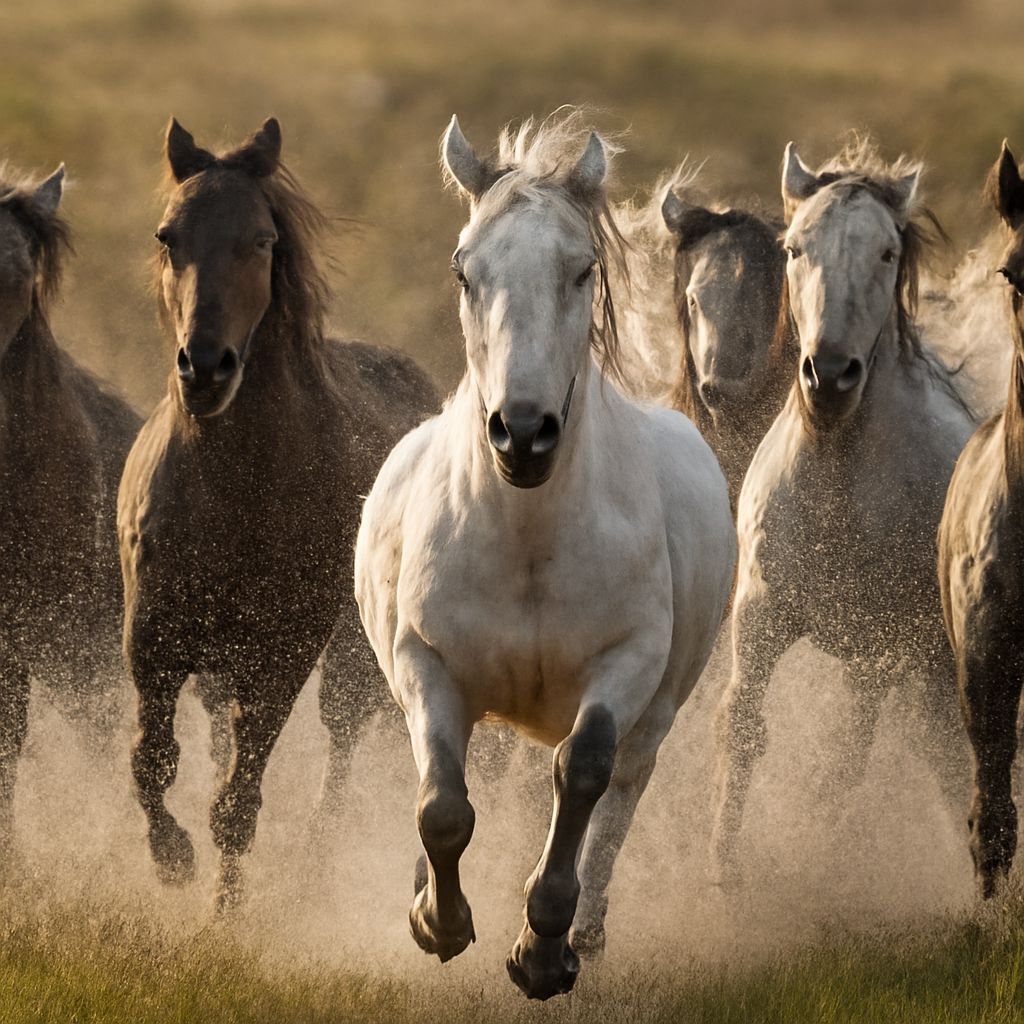
Horse Black and White Photography: Capturing Equine Power in Monochrome
A horse black and white image strips away the distraction of coat color and puts the full visual weight on musculature, movement, and the relationship between the animal and its environment. Black and white horse photography forces both photographer and viewer to engage with form in a way that color imagery sometimes softens. The high-contrast tones in black and white pictures of horses emphasize texture in ways that make prints look striking even at large format sizes — the difference between a 30×40 color horse portrait and a black and white horse photography print of the same scene is significant, and the monochrome version usually wins on the wall.
This guide covers the technical approach to photographing horses in black and white, what makes a strong black and white horse image, and how to choose black and white horse names for horses with dramatic coloring that inspired that naming in the first place.
Technical Approach to Black and White Horse Photography
Exposure and Contrast Settings
For black and white horse photography, expose to preserve highlight detail in the coat, especially on grey or white horses where blown highlights eliminate texture entirely. Shoot in RAW format and use the camera’s monochrome picture style or profile if you want a black and white preview through the viewfinder, while retaining full color data in the file for more control in post-processing. Convert in Lightroom or Capture One using the Black and White Mix panel — boost the orange and red channels slightly to separate warm coat tones from cool background sky tones, which adds drama to the final black and white horse pictures without darkening the overall image.
Contrast in black and white pictures of horses depends heavily on light quality. Hard midday light creates sharp shadows on muscle definition and neck lines — effective for dynamic action shots. Overcast light produces even tones that show coat texture without shadow, which works better for formal portraits. The best horse black and white images tend to use directional light from a low angle — sunrise or sunset — that rakes across the horse’s flank and picks out each individual muscle group.
Composition for Equine Subjects
Black and white horse photography benefits from simple backgrounds. A solid treeline, a winter field, or a flat barn wall isolates the horse and lets the tonal contrast of the animal carry the image. Avoid backgrounds with competing horizontal elements at eye height — fences, buildings, or other horses — that fragment the composition.
For black and white horse pictures showing movement, use a shutter speed of at least 1/800 second to freeze the moment of a canter or gallop. At 1/400 second, you get motion blur in the mane and tail that reads as artistic rather than accidental — test both approaches and decide which serves your vision.
Black and White Horse Names and Their Visual Inspiration
Black and white horse names often reference their coat patterns directly. Pinto and paint horses with dramatic black and white markings get names like Domino, Patches, Oreo, Checkers, or Tuxedo. More poetic black and white horse names draw from contrast imagery: Midnight Star, Shadow, Eclipse, or Magpie. If the horse has a predominantly black coat with a white blaze, a name like Comet or Phantom fits the visual drama that black and white horse photography captures so effectively.
For horse black and white image projects focused on specific animals, learn the horse’s name and use it when approaching. Horses that recognize their name respond more naturally to the photographer’s presence, which leads to more relaxed black and white pictures of horses rather than the stiff, alert posture that an unfamiliar visitor often produces.