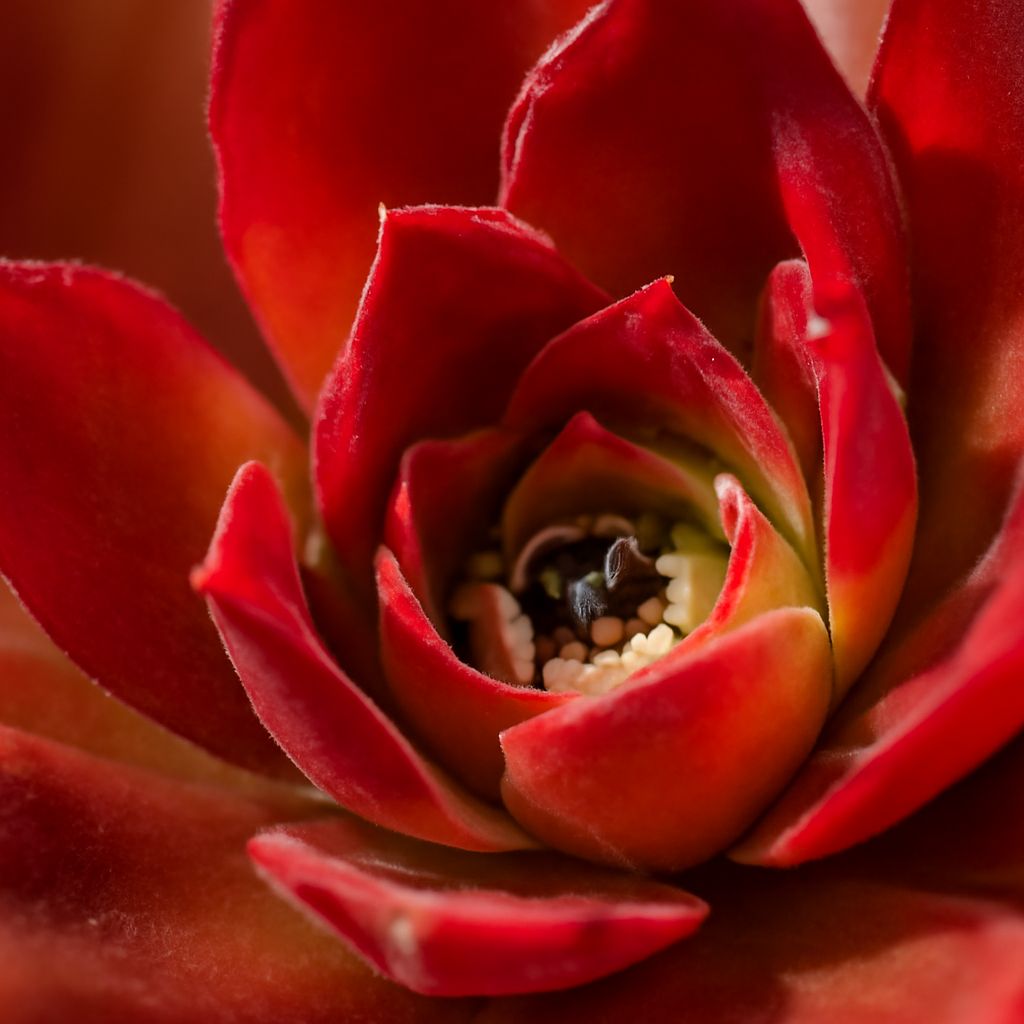
Flower Close Up Photography: How to Get Sharp, Detailed Macro Shots
Flower close up photography rewards patience and careful technique more than expensive gear. The difference between a sharp, detailed macro shot and a blurry disappointment usually comes down to camera stability, aperture choice, and working distance, not the camera body you’re using.
Whether you’re photographing flowers close up with a dedicated macro lens or using extension tubes on a kit lens, the principles are the same. Getting up close flower details on film or sensor requires understanding the unique challenges that close focusing distances create.
Equipment and Settings for Macro Flower Work
Lens Choices for Close Up Work
A dedicated macro lens at 90mm to 105mm is the most practical tool for flower close up work. These lenses focus at 1:1 magnification, meaning the subject appears life-size on the sensor. The 90-105mm focal length also gives you working distance of about 30cm between the lens front and the subject, reducing the chance that your lens or body casts a shadow on the flower.
If you shoot flowers up close with a standard zoom, look for lenses with a close focus distance under 40cm and use the zoom range that gives you the most magnification. Extension tubes between your camera body and lens are an affordable alternative that turns any lens into a close-up option.
Aperture, Shutter Speed, and Stability
Depth of field at close focus distances is extremely shallow. At 1:1 magnification, even f/11 gives you only a few millimeters of sharp focus. For flowers close up on a single petal, f/5.6 to f/8 is usually the best balance between depth of field and diffraction sharpness.
At these apertures, natural light often requires shutter speeds between 1/60 and 1/200 seconds depending on conditions. A tripod is essential for shooting up close flower details in still conditions. For outdoor work where the flower moves in breeze, set your shutter speed to at least 1/250 and use a reflector to bounce light rather than raising ISO.
Light and Composition for Flower Detail Shots
Overcast days produce the best light for flower close up work. The diffused light reveals petal texture and color saturation without creating harsh shadows that hide structural detail. If you shoot on a sunny day, use a white reflector to fill shadows on the side of the flower away from the light source.
Composition for flowers up close shots usually means finding the flower’s natural focal point. For most blooms, that’s the center, where stamens and pistils create texture and leading lines. Position this point in the upper third or center of your frame and let the petals dissolve into soft blur around it.
An up close flower shot works best when the background is far enough away to blur completely. Shoot with a telephoto macro to compress the background, or position the flower against an open sky or deep shadow area at least two meters behind your subject.
Key takeaways: flower close up photography demands stability, careful aperture selection, and good light. Use a macro lens or extension tubes, shoot at f/5.6 to f/8, and work on overcast days for the best petal detail. Patience matters more than equipment.