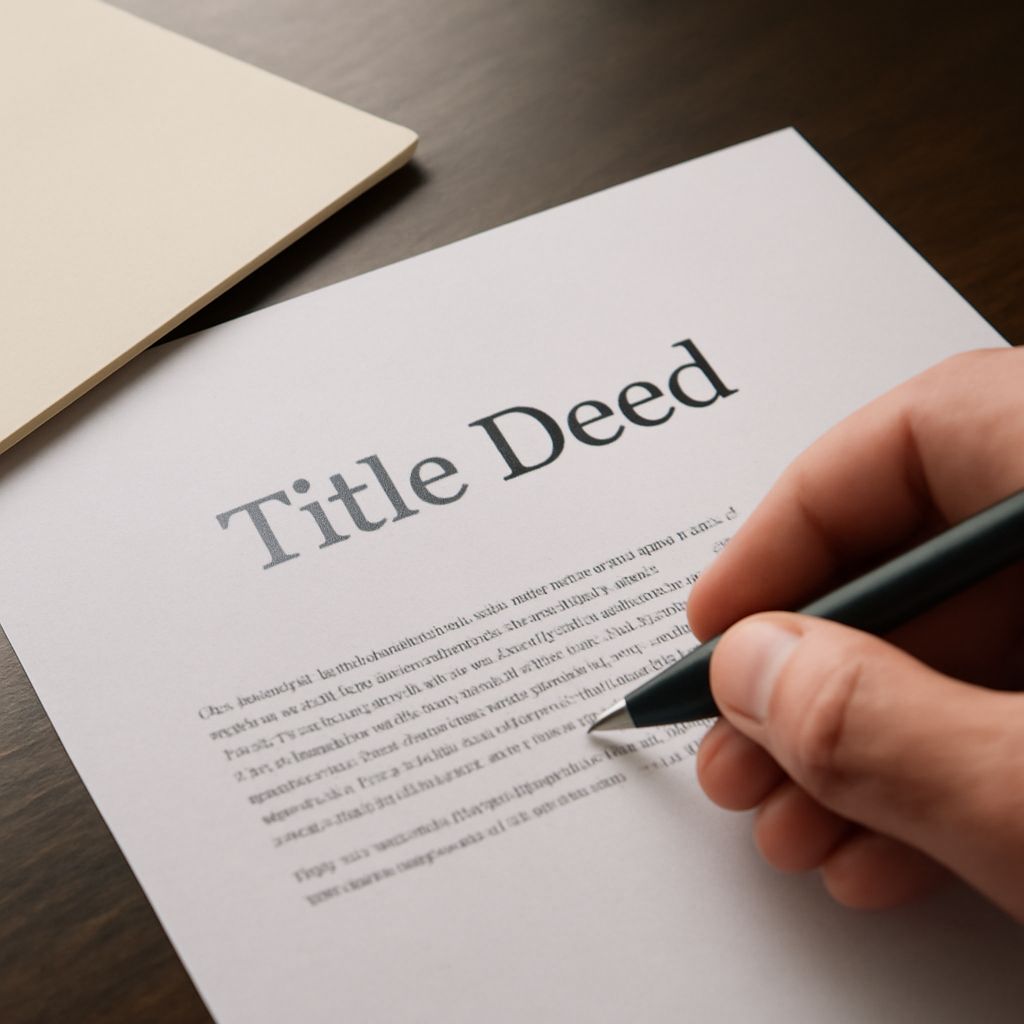
Deed Real Estate: Warranty Deeds, Titles, and What Every Buyer Needs to Know
Understanding deed real estate documents before you close on a property protects you from title disputes, undisclosed liens, and ownership gaps that can surface months or years after purchase. The type of deed you receive determines the extent of the seller’s guarantees and your legal standing if a title problem arises. For most buyers, what is a warranty deed in real estate becomes the most important question of the entire transaction.
This article explains how deed real estate documents work, distinguishes between real estate titles and the deeds that transfer them, clarifies the role of certificate of title real estate documentation in your closing package, and addresses what the jack miller real estate approach to owner financing means for deed structures in unconventional transactions.
Types of Deeds and What They Guarantee
General Warranty Deed
When buyers ask what is a warranty deed in real estate, they are usually asking about the general warranty deed. This instrument provides the broadest protection available. The seller — called the grantor — guarantees clear title not just for their period of ownership but for the entire chain of title going back to the property’s original grant. If a title defect surfaces from 30 years ago, the grantor is legally obligated to defend your ownership and compensate for losses.
Most arms-length residential real estate titles transactions use general warranty deeds. If your purchase contract doesn’t specify deed type, negotiate for this one explicitly. It costs nothing extra to the buyer but obligates the seller fully.
Special Warranty and Quitclaim Deeds
A special warranty deed limits the grantor’s guarantee to defects arising only during their ownership period. Bank-owned properties, foreclosures, and estate sales often use special warranty deeds because the institution cannot make representations about prior owners. You still get a valid deed real estate transfer but with narrower protection — title insurance becomes more important in these transactions.
A quitclaim deed conveys whatever interest the grantor holds, with no warranties at all. Use quitclaim deeds between family members, divorcing spouses, or to clear up minor title defects — not for standard purchase transactions. Real estate titles conveyed by quitclaim should always be paired with full title insurance coverage.
Certificate of Title and the Closing Process
A certificate of title real estate document is a formal opinion issued by a title company or attorney confirming that, after searching public records, the seller appears to hold clear and marketable title. It is distinct from title insurance, which actually indemnifies you if the title search turns out to be wrong. Most lenders require both — the certificate of title real estate search to confirm the current state of title, and lender’s title insurance to protect their collateral position.
Review the chain of title report yourself before closing. Look for gaps — periods where ownership is unclear — and any recorded liens, easements, or covenants that weren’t disclosed in the listing. Your real estate attorney or closing agent can explain anything unusual.
In creative financing arrangements associated with the jack miller real estate investing approach — specifically land contracts and contract-for-deed structures — the buyer occupies the property and makes payments but does not receive the deed until the contract is paid in full. This jack miller real estate structure reduces the seller’s upfront tax exposure and can help buyers who don’t qualify for conventional financing, but it leaves deed real estate transfer incomplete until the contract matures. Record the agreement with your county to protect your equitable interest during the payment period.