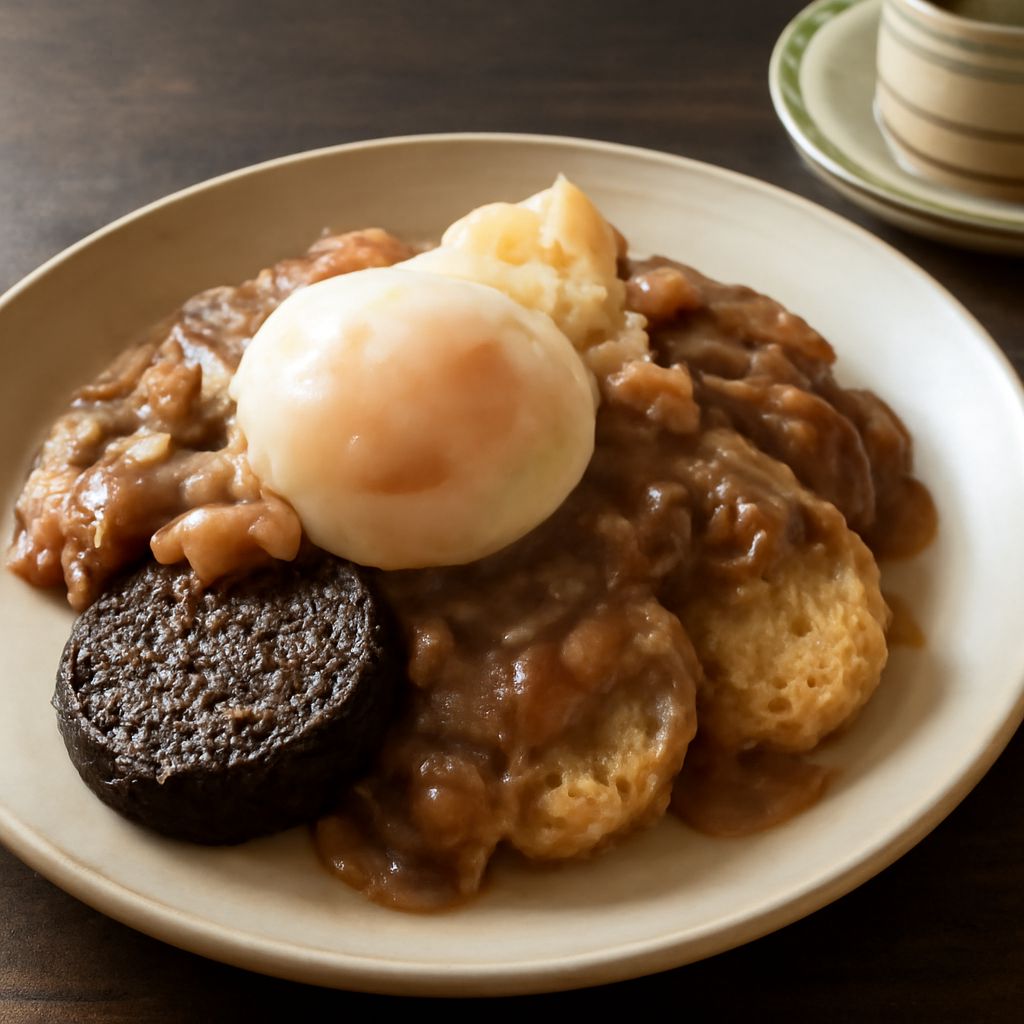
Black and White Pudding: Irish Tradition, What It Is and How It Differs
Black and white pudding is a pair of sausage-style foods with deep roots in British and Irish food culture. They appear together on traditional full Irish and full English breakfasts, but they taste and look quite different from each other. If you’ve seen them on a menu and wondered what you’re ordering, this guide explains both products, traces their Irish heritage, and covers how a black and white quilt of flavors works on the plate.
Irish black and white pudding versions are considered the most distinctive regional expressions of these foods, with recipes that have been passed through generations of butchers and farmhouses. Understanding what is black and white pudding — and how white and black pudding differ in ingredients, texture, and use — makes you a more confident cook and breakfast diner.
What Is Black and White Pudding?
Black and white pudding are both types of cured sausage made with oatmeal, pork fat, and spices packed into a natural casing. The core difference is a single ingredient: blood. Black pudding contains pork blood, which gives it its dark color and a rich, mineral-forward flavor. White and black pudding differ precisely here — white pudding contains no blood, giving it a lighter color, milder taste, and slightly firmer texture when cooked.
What is black and white pudding in terms of texture? Black pudding has a denser, slightly crumbly interior when sliced and cooked. It holds its shape in a pan but softens toward the center. White pudding is more cohesive — it slices cleanly and crisps up well on the outside when pan-fried. Both versions develop a caramelized crust in a hot skillet, which is the preferred serving method for both.
Irish Black and White Pudding: Regional Traditions
Irish black and white pudding has specific regional character that separates it from English and Scottish versions. Clonakilty Black Pudding from County Cork is the most internationally recognized Irish brand — its distinctive coarse texture comes from a higher oatmeal ratio and less blood per pound than most competitors. The flavor profile leans toward white pepper and nutmeg with a slightly earthy, meaty back note.
Traditional irish black and white pudding production uses natural hog casings, which create a slight snap when you bite through the outer casing. Commercial versions often use collagen or plastic casings that don’t produce the same texture. If you’re buying from a specialty butcher, ask whether natural casings were used — it’s a reliable quality indicator for both the black and white pudding varieties.
White and black pudding appear together on virtually every traditional Irish breakfast plate: two slices of each, pan-fried in a cast iron skillet for 2 to 3 minutes per side over medium-high heat until both sides show a deep brown crust. The black pudding goes on first because it takes slightly longer to develop a full crust without burning the softer white version.
How to Cook and Serve Black and White Pudding
Cooking black and white pudding correctly starts with slicing. Cut both into rounds 1 to 1.5 cm thick. Thinner slices fall apart; thicker slices don’t heat through evenly. Use a dry skillet or one with a small amount of oil — the fat content in both puddings is sufficient to self-baste once the pan heats up.
For a black and white quilt of flavors on a brunch plate, serve both alongside scrambled eggs, soda bread, grilled tomato, and back bacon. The richness of black pudding pairs well with the acidity of a roasted tomato. White and black pudding together provide contrast — the mild creaminess of the white pudding balances the intensity of the black version without either overwhelming the plate.