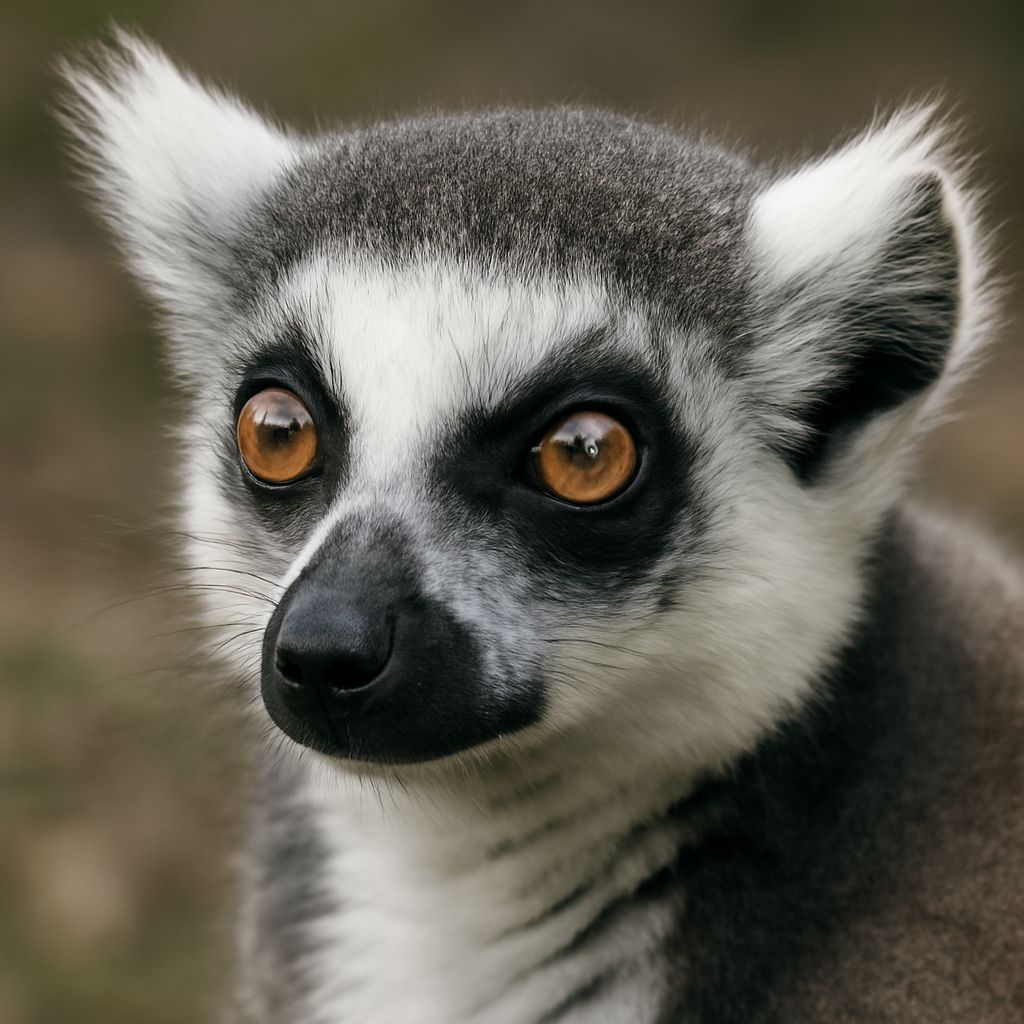
Black and White Animal Photography: Techniques, Animals and Reference Photos
Black and white animal photography removes color as a variable and forces you to see texture, form, and light in a more direct way. A lion’s mane reads as pure tonal gradient. A zebra’s stripes become graphic geometry. The coat of a wolf or the feathers of an owl gain structural detail that color can actually obscure. When you shoot animals that are black and white by nature — zebras, penguins, pandas, dalmatians — the challenge becomes managing the dynamic range between extreme whites and deep blacks within the same subject.
Whether you’re searching for animal reference photos for artistic projects, working on a fine art series, or building a portfolio of black and white photography animals, the techniques here apply across wildlife, zoo, and studio setups.
Camera Settings for Black and White Animal Photos
Black and white animal photos demand higher shutter speeds than most photographers expect. Animals move constantly — a 1/500 second minimum for stationary subjects, 1/1000 for trotting or walking animals, and 1/2000 or faster for birds in flight or running predators. Set your aperture between f/4 and f/8 for sharp focus across the animal’s face and body. Open wider and you risk the ears going soft while the eyes are sharp.
For black and white photography animals in field conditions, shoot in RAW and set picture style to monochrome only as a preview aid — your sensor always captures full color data in RAW regardless of picture style. Convert to black and white in post using individual color channels. Animals with warm tan or brown coats benefit from pulling the orange and red channels darker, which increases contrast in fur texture. Blue sky channels pulled darker give you dramatic cloud-and-sky backgrounds.
Animals That Are Black and White: Shooting High-Contrast Subjects
Animals that are black and white present a specific metering challenge. A zebra in direct sun has a luminosity difference of 7 to 10 stops between its brightest white stripes and deepest black stripes. Expose for the white stripes — matrix metering will underexpose them if the frame has significant black area. Check your histogram after each burst and adjust exposure compensation in +0.5 to +1.0 stop increments until whites land at Zone VII without clipping.
Finding and Using Animal Reference Photos
Black and white animal photography for illustrators and artists often begins with animal reference photos rather than live subjects. High-quality reference sources include Creative Commons archives on Wikimedia, the USGS National Wildlife Photo Contest archive, and paid collections like Shutterstock’s animal monochrome category. For animal reference photos where you need specific angles or lighting conditions, contacting local wildlife rehabilitators can grant access to posed close-up work.
When using reference photos as a basis for drawn or painted work, convert the original color image to black and white in Lightroom before you begin. This removes the color influence on your tonal reading. Black and white photography animals converted in the B&W mix panel give you cleaner tonal separation than simple desaturation, which often makes similarly-valued colors appear flat and identical.
Post-Processing Black and White Animal Photography
The most effective post-processing workflow for black and white animal photography uses three adjustments: a targeted clarity boost (not global), a luminance-based curves adjustment on the sky and background, and careful dodging and burning on the animal’s face. Raising clarity by +30 to +50 on the subject sharpens fur texture. Darkening the background pulls focus to the animal without a vignette effect that can look artificial.
Sharpening in black and white photography animals should apply to the subject only, not the full frame. Use a mask in Photoshop or Lightroom’s AI masking to target the animal’s body. Apply an Amount of 80–100, Radius of 1.0, and Detail of 25. This combination brings out fine hair detail without adding grain-like artifacts to smooth background areas.
Bottom line: Black and white animal photography rewards patience and deliberate technical choices. Master the histogram for animals that are black and white, shoot RAW for maximum post-processing latitude, and use animal reference photos to study tonal structure before your next field session.