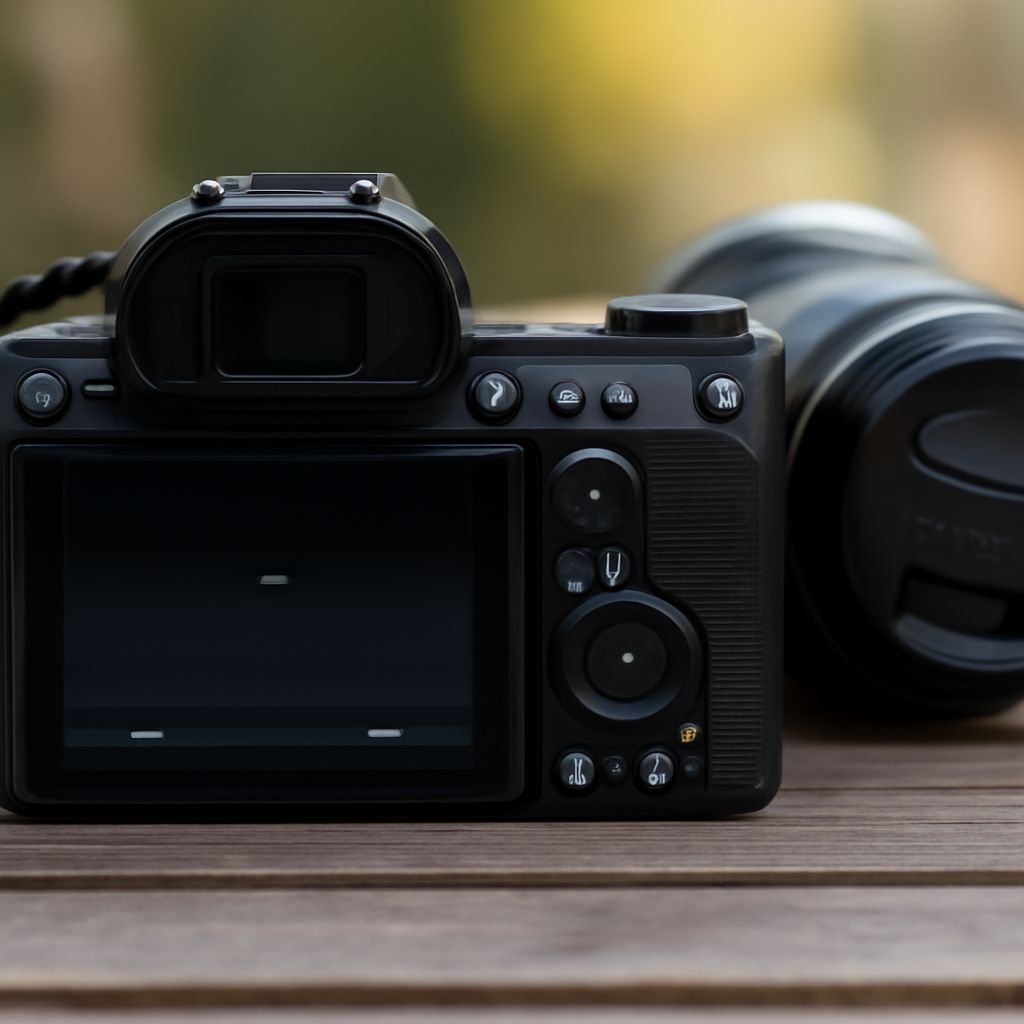
Best DSLR Camera Guide: Parts, Straps, and Finding Real Value
Finding the best dslr camera for your needs depends less on specs sheets and more on how the body handles in your hands, how the menu system works under pressure, and what glass you plan to attach to it. A good dslr camera at $700 that you understand completely outperforms a $2,000 model you’re still learning. Understanding the parts of a dslr camera before you buy helps you ask the right questions and evaluate reviews more accurately. Getting dslr camera straps sorted before your first outing is a small decision that saves shoulder and neck pain on long shooting days.
This guide covers what makes the best value dslr camera in 2025, breaks down the essential parts of a dslr camera that affect image quality and handling, and points you toward strap setups that work across different shooting scenarios.
Understanding the Parts of a DSLR Camera
Mirror Box, Sensor, and Image Processor
The defining mechanical feature in the parts of a dslr camera is the mirror box. A hinged mirror sits between the lens and the sensor at a 45-degree angle, bouncing light up into the optical viewfinder pentaprism for composition. When you press the shutter, the mirror flips up, exposing the sensor to light for the duration of the exposure. This mechanism is what separates a true DSLR from a mirrorless camera.
The sensor size in a good dslr camera defines its low-light capability and depth of field characteristics more than megapixel count. Full-frame sensors (36x24mm) gather more light per pixel than APS-C sensors (roughly 24x16mm). For portrait and wedding work, full-frame gives you the background separation that makes subjects pop. For travel and wildlife, APS-C’s effective focal length multiplication makes telephoto shooting more affordable.
Autofocus System and Drive Speed
The autofocus system is one of the parts of a dslr camera that most buyers underestimate. Phase-detection AF — the type used in optical viewfinder shooting on most DSLRs — is fast and accurate for tracking moving subjects. The number of AF points matters less than the coverage area and the cross-type vs. line-type distribution. A best dslr camera for sports needs cross-type points across the entire frame; a studio portrait camera needs reliable center-point single-shot AF.
Best Value DSLR Picks and Strap Recommendations
The best value dslr camera in the used market right now is the Nikon D7500 (APS-C, around $600 used) and the Canon 5D Mark III (full-frame, $700 to $900 used). Both are weather-sealed, have proven AF systems, and accept decades of compatible glass. For a first-time buyer who wants a good dslr camera without the mirrorless learning curve, either body delivers professional-grade results at a fraction of new prices.
Dslr camera straps deserve more attention than they get. The included nylon neck strap that ships with most bodies transfers the full weight of the camera to a single neck point — uncomfortable after 30 minutes with a heavy lens attached. Peak Design’s Slide strap ($70) is the gold standard for best dslr camera carry: it converts between neck, shoulder, and sling configurations in under 10 seconds and includes anchor connectors that attach to any camera lug. For longer shooting days, a dual-shoulder harness from Black Rapid or OP/TECH distributes weight across both shoulders and keeps the camera at hip level for instant access.
Match your dslr camera straps to your shooting style. Street photographers want a short, low-profile strap that keeps the camera close and quiet. Hiking and travel photographers benefit from a sling that lets the camera hang at the side without swinging. Wedding photographers carrying two bodies use dual-body harnesses that spread the load evenly across the working day.