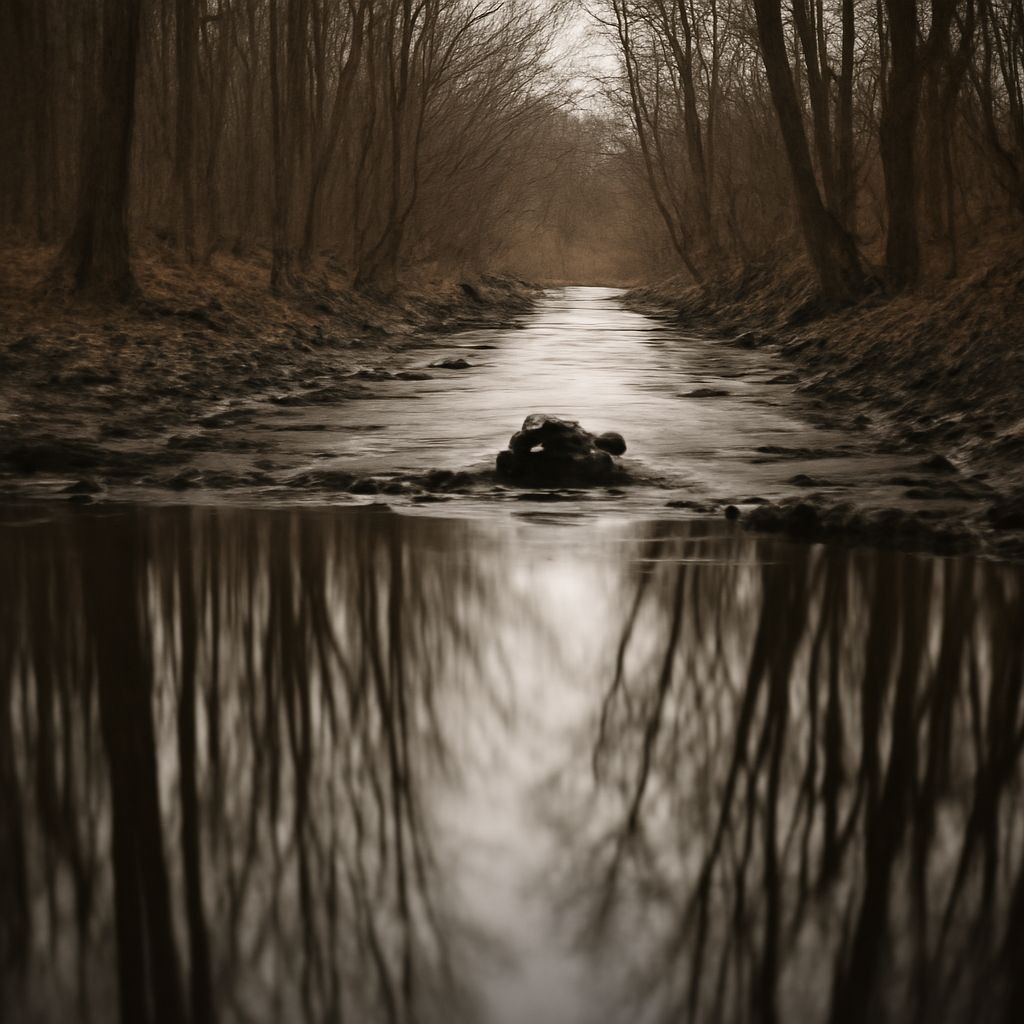
Abstract Nature Photography: Landscape, Black and White and Vintage Techniques
Abstract nature photography moves past literal documentation and into interpretation. Instead of showing a complete scene, you isolate a detail — the curve of a wave, the repetition of grass stems in wind, the texture of tree bark at two feet — and let that fragment carry the full visual weight of the image. The result is nature photography art that rewards extended viewing rather than a quick glance.
Abstract landscape photography, black and white abstract photography, and vintage nature photography each bring distinct tools to this approach. Whether you’re working with motion blur, extreme close-ups, or darkroom-era tonal processing, the core principle stays the same: simplify until only the essential element remains.
Techniques for Abstract Landscape Photography
Abstract landscape photography begins with seeing differently. Train yourself to look for repeating patterns, strong diagonals, color gradients, and textures that read as flat graphic shapes rather than three-dimensional terrain. Dunes, water, fog-filled valleys, and autumn canopies all produce naturally abstract compositions when you select a narrow slice of the scene.
Motion blur is one of the most effective techniques in abstract landscape photography. Set your shutter speed to 1/4 to 2 seconds and use a tripod. Moving grass, flowing rivers, or clouds during a long exposure create streaks that read as pure movement rather than identifiable objects. A 3-stop ND filter lets you reach these slow shutter speeds in bright daylight without underexposing.
ICM — Intentional Camera Movement — takes abstract nature photography further. You deliberately move the camera during a 1/4 to 1/2 second exposure, creating vertical or diagonal streaks from forest canopies, fields of flowers, or coastal reeds. The result is an impressionistic blur that preserves color and general form without any sharp detail. Experiment with the speed and direction of the movement; 20 attempts might produce two or three keepers.
Black and White Abstract Photography in Natural Settings
Black and white abstract photography strips away color information that can confuse or distract in abstract work. When a sand dune loses its ochre tone, what remains is pure shadow-and-highlight geometry. When a weathered tree trunk loses its gray-brown color, what remains is texture at a micro scale that looks almost architectural.
Abstract nature photography in monochrome works best when you identify subjects with intrinsic tonal contrast: white foam on dark wet rock, bright sky between dark tree silhouettes, frost on dark soil. These combinations don’t need color to create separation. Convert RAW files using the B&W Mix panel and pull the luminosity of individual color channels to amplify contrast where you need it rather than applying a flat desaturation.
Vintage Nature Photography Aesthetics
Vintage nature photography references the look of mid-20th century natural history and botanical documentation — a combination of precision framing, subtle film grain, and slightly muted contrast. You can recreate this in digital post-processing by adding a gentle vignette, reducing blacks slightly (raising the black point in curves), adding film grain at a size setting of 30–40 with roughness at 50, and shifting white balance 200–400K warmer than daylight.
Nature photography art in the vintage style also benefits from printing. A matte fine-art paper like Hahnemuhle Photo Rag eliminates the reflective glare that makes digital images look obviously digital. The paper surface and slight texture give prints a tactile quality that connects to historical photographic traditions and makes abstract nature photography feel more considered and permanent.