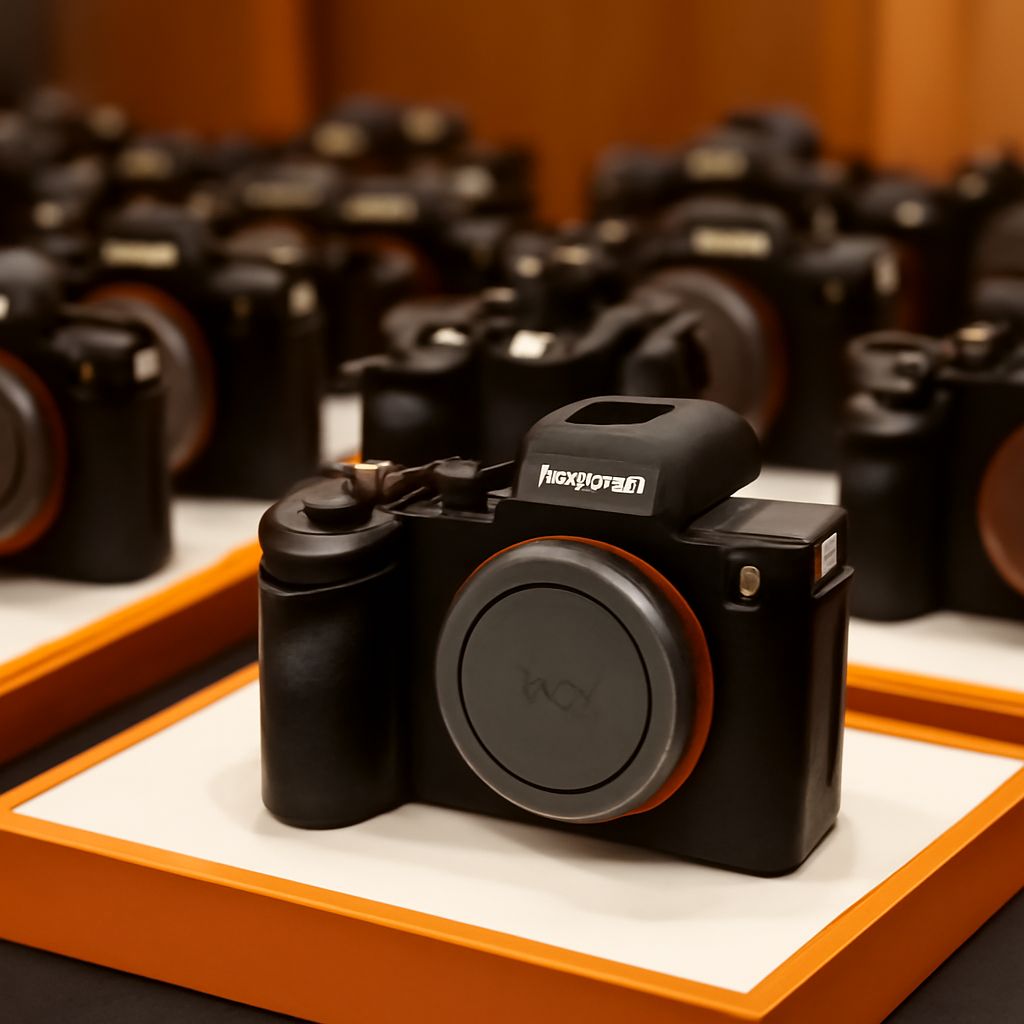
Exploring the world of photography opens up a realm of creativity and expression. But before you dive in, understanding how much a camera costs can help you make an informed decision. Whether you’re a beginner or a seasoned pro, knowing the price range and factors influencing costs ensures you invest wisely in a tool that suits your needs.
Digital cameras have revolutionized photography, offering convenience and impressive features. Understanding how digital cameras work can guide you in choosing the best model for your photographic journey.
Introduction to Camera Costs
The cost of a camera can vary widely, influenced by several factors. Entry-level cameras may start at $200, while professional models can exceed $5,000. Knowing what you need helps you find the right balance between price and performance.
Consider your photography goals. Are you capturing family moments, or are you aiming for high-resolution landscapes? This decision will significantly affect how much you invest in a camera.
Factors Influencing Camera Prices
Several elements dictate the price of a camera. Brand reputation often plays a role, with renowned brands like Canon and Nikon typically having higher price tags. Additionally, the type of camera, whether mirrorless or DSLR, impacts cost.
Features such as sensor size, resolution, and video capabilities also add to the price. Cameras with larger sensors and higher megapixels generally cost more but offer better image quality.
Technology advancements, like autofocus systems and image stabilization, can further increase a camera’s price. Evaluate these features based on your specific needs and photography style.
Understanding How Digital Cameras Work
Digital cameras capture images using a sensor, which converts light into electronic signals. The sensor’s quality, often measured in megapixels, determines the image’s resolution. Higher megapixels mean more detail.
The lens is another critical component. As light passes through the lens, it’s focused onto the sensor. The quality of your lens affects the sharpness and clarity of your photos.
Digital cameras store images on memory cards, making it easy to transfer photos to your computer. Understanding how digital cameras work helps you make the most of their features and capabilities.
Choosing the Right Camera for Your Needs
To select the right camera, assess your experience level and intended use. Beginners might prefer compact cameras for ease of use, while advanced photographers may opt for DSLRs or mirrorless cameras with interchangeable lenses.
Consider additional enhancements like weather sealing or connectivity options if you plan to shoot in diverse environments or share photos quickly. These features can make a difference in your overall photography experience.
The decision on how much a camera costs should align with your budget and expectations. Compare different models, read reviews, and, if possible, test cameras in-store to ensure a satisfying purchase.
Safety Recap: When experimenting with digital cameras, handle equipment carefully and store it safely to maintain performance and longevity. Regular cleaning and proper care ensure your camera stays in top condition.