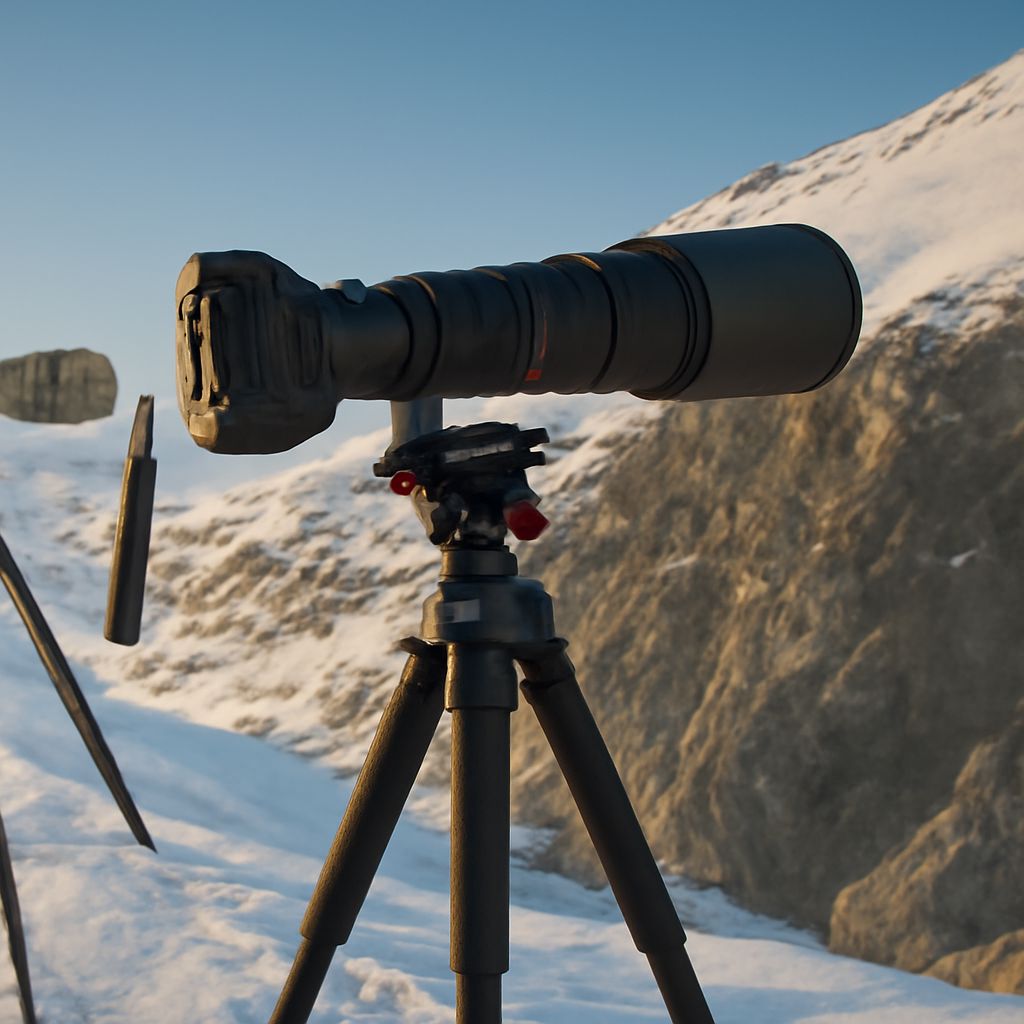
Capturing breathtaking scenes and the essence of nature requires the right equipment. Whether you’re an aspiring photographer or a seasoned pro, finding the best lens for wildlife photography can elevate your work to new heights. Imagine the crisp details of a distant eagle or the vibrant hues of a morning landscape.
Not only does a top-tier lens make wildlife photography more accessible, but it also enhances your ability to craft stunning landscape compositions and cherish family memories with the best lens for family portraits. Dive into this guide to explore essential wildlife photography equipment and more.
Choosing the Best Lens for Wildlife Photography
Factors to Consider When selecting the best lens for wildlife photography, several factors come into play. Consider the focal length, as it determines how close you can get to your subject without disturbing it. A lens with a focal length between 200mm and 600mm is ideal for wildlife.
Additionally, pay attention to the aperture. A larger aperture, such as f/2.8 or f/4, allows for better low-light performance and a shallower depth of field, making your subject stand out against a blurred background. Weather sealing is crucial if you’re shooting in unpredictable conditions, ensuring your gear withstands elements like rain and dust.
Top Recommendations
For those serious about wildlife photography, a 500mm f/4 lens is often recommended. Its superior optics and quick autofocus make it a top choice for capturing swift, unpredictable movements. Alternatively, a 100-400mm zoom lens offers versatility, allowing you to adjust your framing without changing lenses.
Consider lenses from reputable brands like Canon, Nikon, and Sony, known for their durability and image quality. For budget-conscious photographers, third-party options like Sigma and Tamron provide excellent performance at a lower price point.
Exploring the Best Landscape Photography Techniques
Lens Selection
When exploring the best landscape photography techniques, selecting the right lens is paramount. Wide-angle lenses from 16mm to 35mm are perfect for capturing expansive vistas. These lenses allow you to include more of the scene and create a sense of depth in your photos.
Look for lenses with minimal distortion and good edge-to-edge sharpness. A lens with a fixed aperture can provide consistent exposure and superior optical quality, especially in challenging lighting conditions.
Composition Tips
Mastering composition is essential for striking landscape images. Use the rule of thirds to position key elements off-center, creating a more dynamic photo. Leading lines, such as roads or rivers, can guide the viewer’s eye through the image.
Incorporate foreground elements like rocks or trees to add depth and interest. Shooting during the golden hour—shortly after sunrise or before sunset—enhances colors and adds a magical quality to your landscapes.
Selecting the Best Lens for Family Portraits
Lens Features
The best lens for family portraits often features a focal length between 50mm and 85mm. These lenses provide a natural perspective and flattering compression for faces, helping to create warm, intimate images.
Choose a lens with a wide aperture, such as f/1.8 or f/1.4, to achieve a pleasing bokeh effect that isolates your subjects against a soft background. This is particularly effective in highlighting expressions and details in family portraits.
Shooting Tips
With family portraits, capturing emotion and connection is key. Use a fast lens to freeze moments of laughter or interaction. Ensure that you have adequate lighting; natural light from a window or an overcast day creates soft, even illumination.
Encourage your subjects to engage with each other naturally, whether through simple conversation or playful activities. This results in authentic, candid shots that tell a story. Experiment with different angles and compositions, such as top-down shots or incorporating unique backgrounds, to add diversity to your portfolio.