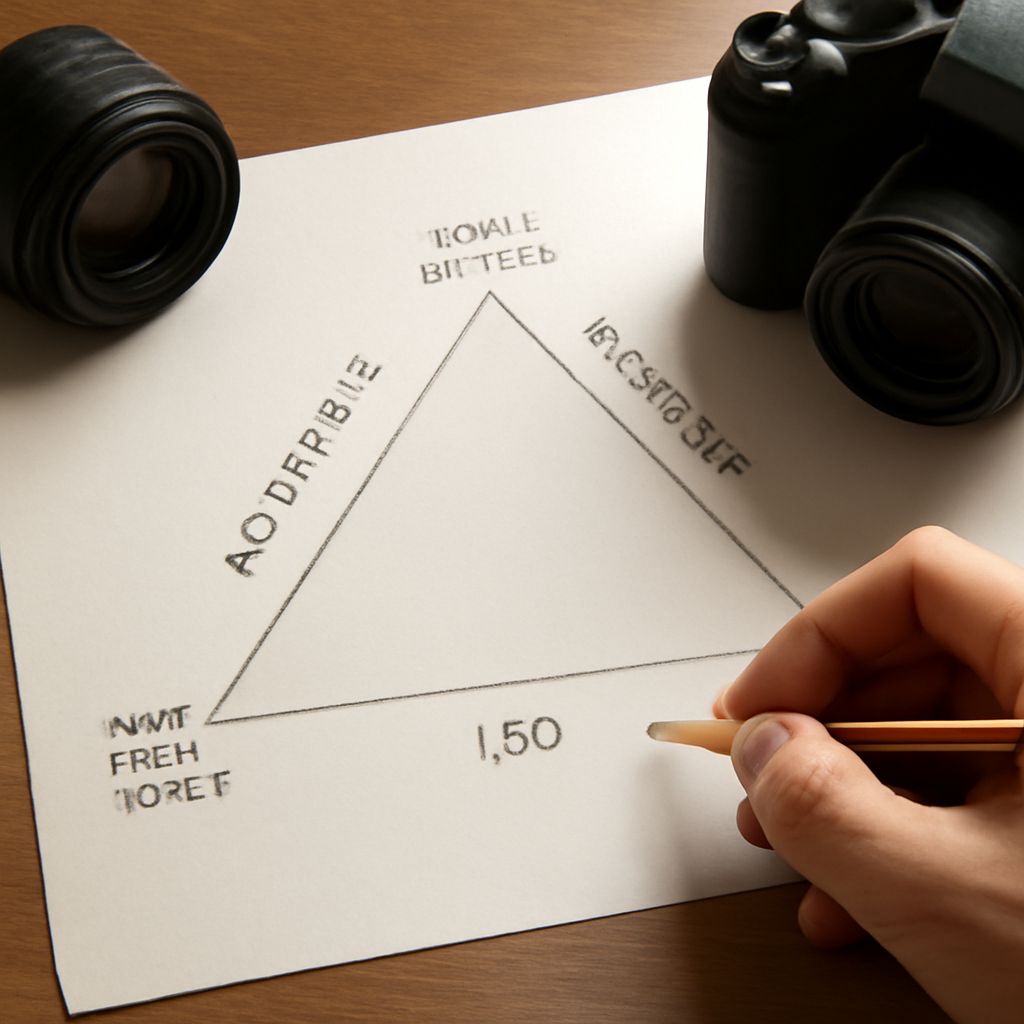
Unlock the art of long exposure photography with precision and creativity. Using an exposure triangle chart, you can capture breathtaking images ranging from fireworks to dreamy long exposure clouds. By mastering the exposure triangle, your photos will shine with clarity and stunning detail, whether you’re capturing a dazzling steel wool long exposure or the tranquil beauty of the sky.
With this guide, you’ll learn how to balance aperture, shutter speed, and ISO to create unforgettable images. Let’s dive into the world of long exposure photography and enhance your skills with practical tips for every scenario.
Understanding the Exposure Triangle
What is the Exposure Triangle?
The exposure triangle consists of three settings: aperture, shutter speed, and ISO. Together, they control the exposure of your photographs. Mastering these will help you achieve the perfect balance for any lighting situation. Aperture controls the depth of field, shutter speed affects motion blur, and ISO adjusts the camera’s sensitivity to light. By understanding these elements, you can control how your images appear, from sharp details to smooth, dreamy effects.
How to Use an Exposure Triangle Chart An exposure triangle chart is a visual tool that helps you understand the interaction between aperture, shutter speed, and ISO. It allows you to see how changing one setting affects the others. For instance, if you increase the aperture, you might need to adjust shutter speed or ISO to maintain the same exposure. Using this chart can guide you in making informed decisions, especially in dynamic lighting conditions or when aiming for a specific photographic effect.
Capturing Long Exposure Fireworks
Best Settings for Fireworks
To capture long exposure fireworks photos, you’ll need to set your camera to manual mode. Start with a low ISO, around 100 or 200, to reduce noise. Set your aperture between f/8 and f/16 to keep the fireworks in focus. Shutter speed is crucial; aim for 2 to 10 seconds depending on the intensity and speed of the fireworks display. Experiment with these settings and adjust as needed to perfect your shots.
Creative Techniques with Fireworks
Take your long exposure fireworks photos to the next level with creative techniques. Try moving the camera slightly during the exposure to create dynamic light trails. Use a tripod for stability and consider using a remote shutter release to avoid camera shake. These techniques add a unique flair to your photographs, capturing the energy and excitement of the fireworks in motion.
Exploring Steel Wool and Cloud Photography
Steel Wool Long Exposure Tips
Steel wool long exposure photography yields stunning light patterns. Use a medium to high shutter speed, around 10 to 30 seconds, to capture the full arc of the spinning wool. Keep the ISO low to minimize noise and set the aperture to around f/11 for sharpness. Safety is paramount; ensure you’re in a safe, open area and wear protective gear to prevent accidents.
Long Exposure Clouds Techniques
Long exposure clouds create captivating, ethereal skies. To achieve this effect, use a neutral density (ND) filter to reduce light, allowing for longer exposure times. Aim for a shutter speed of 30 seconds or more. Adjust the aperture to f/8 to f/11 to balance exposure while maintaining focus. Patience and practice will help you capture the fluid motion of the clouds, transforming the sky into a moving masterpiece.
Key takeaways: Mastering long exposure photography involves understanding the exposure triangle and practicing with various techniques. Use an exposure triangle chart to balance settings for perfect shots. From fireworks to steel wool and clouds, creativity and experimentation will enhance your photographic journey.