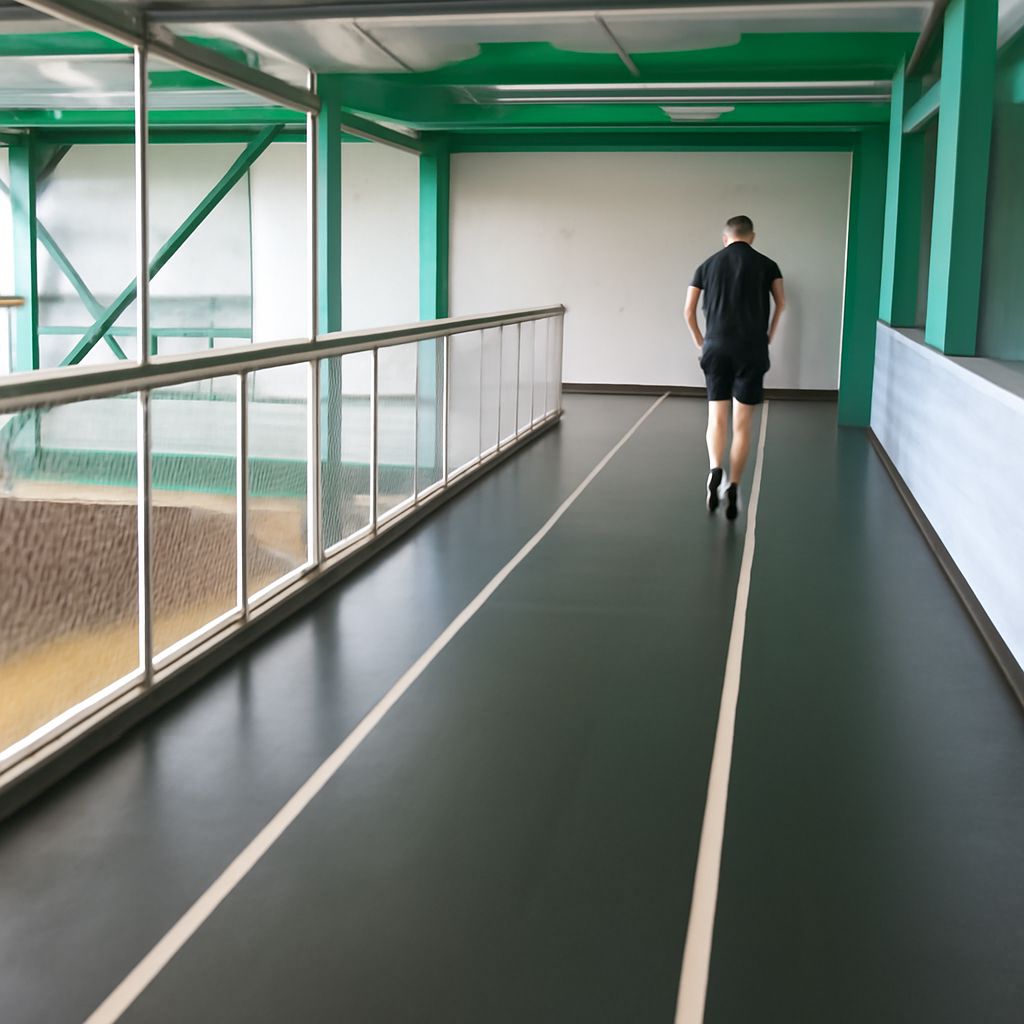
An indoor sports complex solves the problem that every outdoor league eventually faces: weather. Rain, heat, smoke, and winter cold all interrupt schedules, reduce participation, and frustrate coaches who have built a season around consistent practice frequency. Indoor sports facilities have expanded dramatically over the past decade — not just for traditional gym sports like basketball and volleyball, but for soccer, lacrosse, baseball batting practice, golf simulation, and multi-use turf environments that host multiple disciplines simultaneously. An indoor sports center in a mid-sized city now typically offers league play, open gym, birthday party rentals, and youth development programs across multiple court or field surfaces. The range of indoor sports games available — from competitive adult leagues to drop-in recreational play — means there is an entry point for nearly every age and skill level. And organizations like world wide indoor sports have developed franchise and affiliation models that help facility operators access programming, scheduling software, and insurance structures that reduce the administrative burden of running a complex.
What an Indoor Sports Complex Offers Beyond Gym Sports
The modern indoor sports complex is rarely just a basketball facility. Multi-purpose turf fields accommodate indoor soccer (typically 6v6 or 7v7), field hockey, lacrosse, and flag football on the same surface with different line configurations. High-ceiling facilities add batting cages and pitching tunnels for year-round baseball and softball development. A purpose-built indoor sports center in a population center of 100,000 or more can host 8–12 court sports simultaneously if the floor plan is designed for maximum partition flexibility.
The growth of indoor sports games in emerging formats — pickleball, padel, indoor disc golf — has pushed facility operators to design more flexible spaces rather than building for a single sport. Pickleball in particular has driven a significant expansion of indoor sports court construction over the past five years because the court footprint is small relative to the player demand, making it one of the most profitable sports per square foot in a multi-use facility.
Finding and Using Indoor Sports Centers Near You
When evaluating an indoor sports center for your league, team, or personal training, assess surface type first: hardwood courts for basketball and volleyball, artificial turf for soccer and field sports, and sport court tiles for multi-use recreational play. Surface quality directly affects player injury rates — hardwood and proper turf cushion impact significantly better than concrete-base installations.
Organizations like world wide indoor sports provide facility directories, league management tools, and programming resources that smaller independent facilities can access at low cost. If you are starting a new indoor sports complex or evaluating programming options for an existing facility, affiliate models offer scheduling software, insurance frameworks, and marketing templates that reduce startup time significantly. Bottom line — the value of a well-run indoor sports facility is continuity: consistent programming, reliable surfaces, and year-round access to indoor sports games that build community and keep athletes developing regardless of what the weather is doing outside.