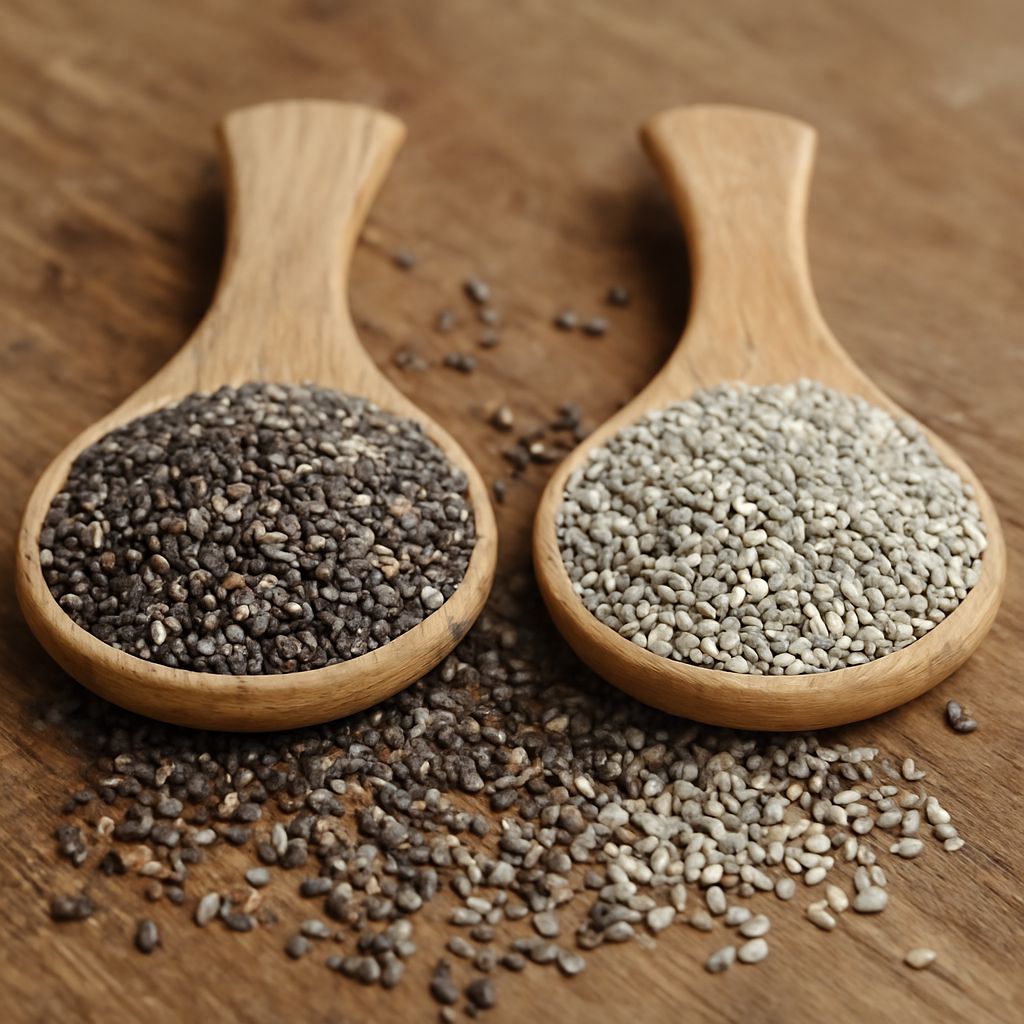
Choosing between black vs white chia seeds can seem confusing, but understanding their differences offers benefits for your diet. Whether you’re looking to boost your meals with nutrient-packed seeds or enhance your culinary creations, knowing the unique properties of each type ensures you make the right choice.
These tiny seeds are not just visually distinct; they also have subtle differences that can enrich your diet. Discover the difference between white and black chia seeds and why it matters for your nutrition journey.
Nutritional Differences
Macronutrients in Chia Seeds Both white and black chia seeds are nutritional powerhouses, though they have minor variations in macronutrient content. Each type offers a rich source of dietary fiber, essential for maintaining a healthy digestive system. You’ll find that both types provide approximately 11 grams of fiber per ounce, supporting your daily intake needs.
Protein content is another key factor when comparing black vs white chia seeds. Both types contain around 4 grams of protein per ounce, supporting muscle repair and growth. However, some slight differences in fat content exist, with white chia seeds sometimes containing marginally higher omega-3 fatty acids, enhancing their heart health benefits.
Vitamins and Minerals
When it comes to vitamins and minerals, both types of chia seeds offer a rich supply of nutrients. Magnesium, calcium, and phosphorus are abundant in both, essential for bone health and energy production. However, the white chia seeds might have a slight edge in calcium, making them a great choice for strengthening your bones.
Meanwhile, black chia seeds often contain higher levels of antioxidants, helping combat oxidative stress and potentially reducing the risk of chronic diseases. Incorporating either type into your diet will surely contribute to your overall health.
Visual and Taste Variations
Color Differences The most obvious difference between white and black chia seeds lies in their appearance. Black chia seeds are typically more common and have a dark, consistent hue, which can make them an attractive addition to various dishes. In contrast, white chia seeds offer a lighter, more subtle visual appeal, often preferred for their aesthetic qualities in lighter-colored foods.
While the color difference might seem trivial, it can influence how your dishes present. Using white chia seeds in lighter recipes like puddings or smoothies can maintain the desired visual effect without distracting from the overall appearance.
Flavor Profiles
Flavor-wise, both white and black chia seeds are known for their mild and neutral taste, making them versatile ingredients in the kitchen. Despite this similarity, some users report a slightly nuttier flavor in black chia seeds, adding a subtle depth to recipes like oatmeal or yogurt.
White chia seeds, however, maintain a more neutral profile, which can be beneficial when you want to enhance the existing flavors in your dishes without adding any new notes. This makes them ideal for delicate recipes where maintaining the original taste is crucial.
Culinary Uses and Preferences
Regardless of whether you choose white or black chia seeds, both types excel in versatility and ease of use in various recipes. Their ability to absorb liquid and form a gel-like consistency is perfect for creating healthy puddings, smoothies, and sauces.
Moreover, the subtle taste of both types allows them to blend seamlessly into baked goods, making them a fantastic addition to bread, muffins, and cookies. Whether you’re looking to enhance the nutritional profile of your meals or simply experiment with new textures, both white and black chia seeds can meet your culinary needs.
Ultimately, your choice between black vs white chia seeds may come down to personal preference or specific dietary goals. Consider what each type offers in nutrients, appearance, and flavor to decide which aligns best with your lifestyle and cooking habits.
Key takeaways: Understanding the nutritional and visual differences between black and white chia seeds can enhance your dietary choices. Choose based on your culinary preferences and dietary needs to enjoy the full benefits of these versatile superfoods.