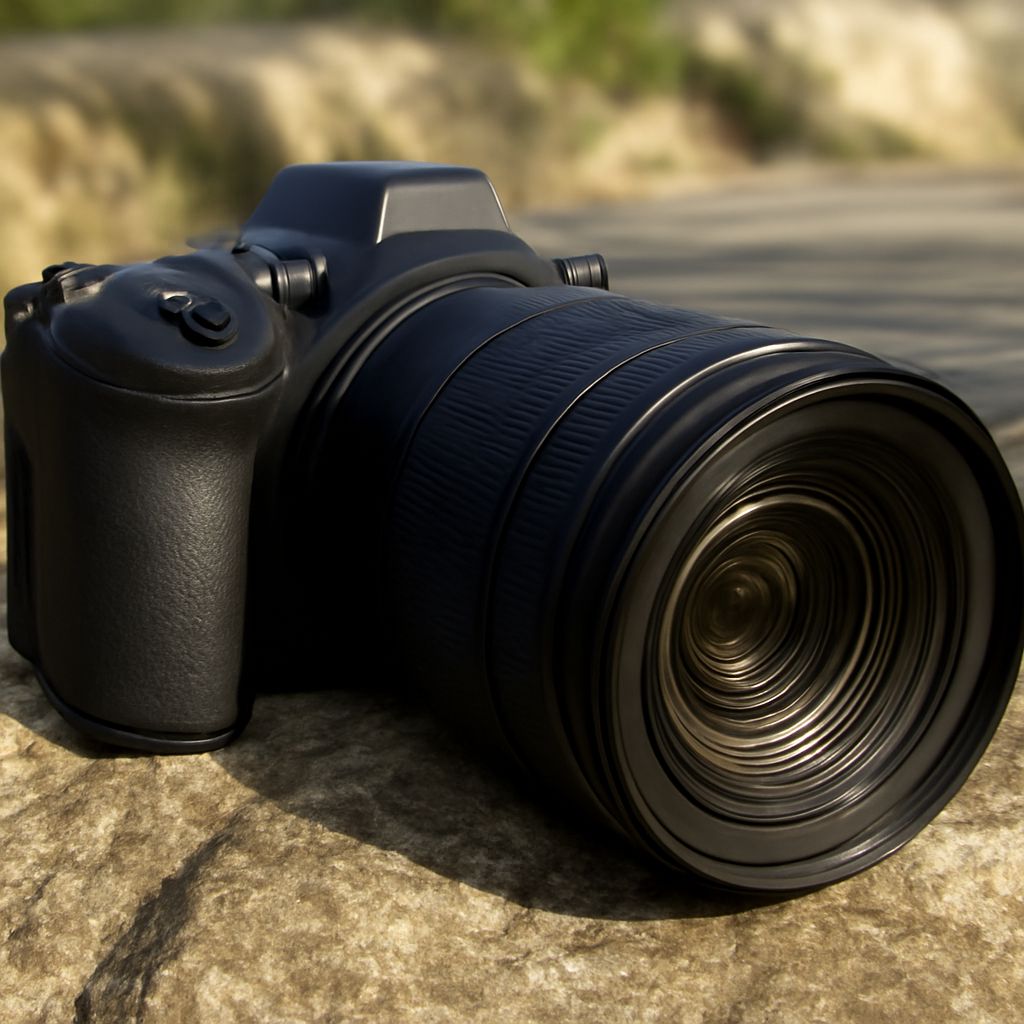
Unlock the intricate world of macro photography with the best camera for macro photography at your side. When you choose the right gear, each shot transforms into an exploration of detail, allowing you to capture images that reveal hidden beauty. Whether you’re a seasoned photographer or a curious beginner, the perfect macro camera elevates your artistry. Explore the essential macro photography tips and equipment that will let you take your work to new heights.
Discover how a well-chosen macro camera, paired with the right lenses and accessories, not only enhances your photography but also broadens your creative possibilities. Dive into the specifics of what makes a camera ideal for macro photography, and find out how to make informed decisions when selecting your next piece of equipment.
Top Cameras for Macro Photography
Features of the Best Macro Camera
When searching for the best camera for macro photography, key features make all the difference. A high-resolution sensor is crucial, as it allows you to capture tiny details with clarity. Look for cameras with focus peaking and a tilting screen to aid in precise focusing on minuscule subjects. Manual controls and excellent low-light performance are also essential. These features collectively ensure that your camera can handle the intricate demands of macro photography.
Comparison of Popular Models
Several models stand out in the realm of macro photography. The Nikon D850, renowned for its 45.7 MP resolution, offers impeccable detail. Canon’s EOS R5 is another excellent choice, with its ability to capture vibrant colors and crisp details. Meanwhile, the Sony A7R IV provides a superb dynamic range. Each of these cameras excels in different ways, so consider your specific needs and budget when choosing.
Must-Have Macro Photography Equipment
Lenses and Accessories
Lenses are pivotal in macro photography. A true macro lens, which offers a 1:1 magnification ratio, is non-negotiable. For added flexibility, consider extension tubes or bellows. These accessories allow you to get even closer to your subject. Additionally, a sturdy tripod ensures stability, critical for capturing sharp images at close distances.
Lighting and Tripods
Proper lighting transforms ordinary shots into extraordinary ones. Ring lights and twin flash systems provide even illumination, eliminating harsh shadows and enhancing detail. A dependable tripod, preferably with a ball head, offers the stability needed for precise composition and focus. Together, these tools enable you to fully exploit the potential of your macro camera.
Essential Macro Photography Tips
Mastering macro photography involves a blend of technique and experimentation. Start by practicing with various subjects and lighting conditions. Keep your aperture small to maximize depth of field, but be mindful of diffraction. Use manual focus for precision, and employ focus stacking for greater detail. Above all, patience and persistence are key to capturing stunning macro images.
Choosing the Best Macro Camera
When selecting the best macro camera, consider your experience level and specific needs. Beginners might prefer a camera with user-friendly interfaces and automatic settings, while professionals may opt for advanced features and full manual control. Evaluate the camera’s compatibility with macro lenses and other macro photography equipment you might want to use. By aligning your choice with your goals and budget, you can make a purchase that enhances your macro photography journey.