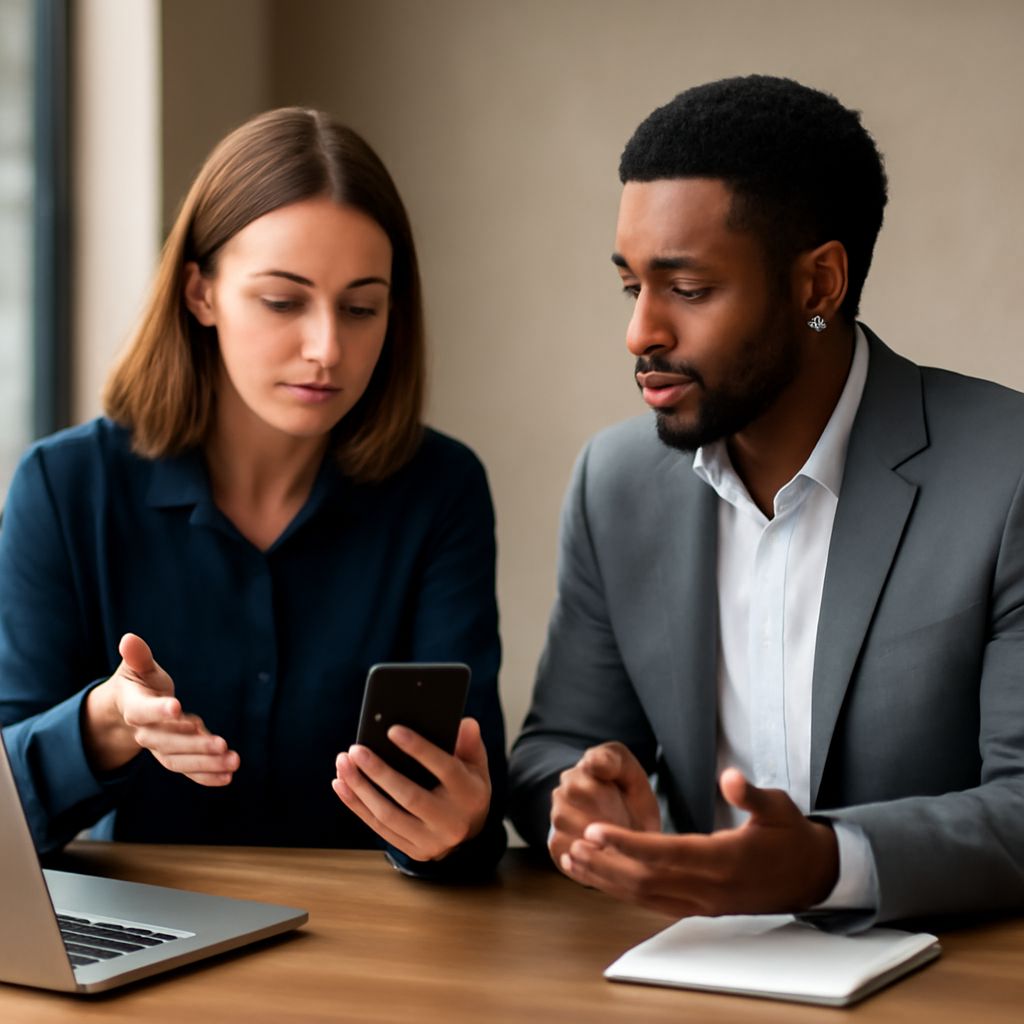
In today’s fast-paced digital world, social media has become an integral part of how we communicate and interact. While it offers numerous benefits, understanding social media’s impact on communication skills is crucial. You might wonder how social media affects communication skills negatively, but it’s vital to dive deeper to appreciate its full scope.
Social media platforms can connect you with friends worldwide, improve your digital literacy, and offer new ways to express yourself creatively. However, the same tools can also challenge your social skills, leading to misunderstandings and reduced face-to-face interactions. Let’s explore how social media shapes our social skills and the broader implications of these changes.
Understanding Social Media
Social media platforms like Facebook, Instagram, and Twitter have redefined how you communicate. These platforms provide ways to share experiences, express opinions, and stay informed. The ease of access allows you to connect with people anywhere, anytime. However, this constant connectivity comes with its own set of challenges.
When you engage with social media, you often rely heavily on written text, emojis, and multimedia to convey your message. This can enhance your ability to craft messages succinctly but also limits the depth of interaction that face-to-face communication provides. The nuances of tone, body language, and verbal cues often get lost in digital communication.
How Social Media Affects Communication Skills Negatively
One of the significant ways social media affects communication skills negatively is through the reduction of in-person interactions. As you spend more time online, you may find yourself less comfortable engaging in face-to-face conversations. This can lead to a decline in your ability to read body language and pick up on social cues.
Moreover, the brevity often required in social media posts can limit your ability to develop complex ideas and arguments. You might find yourself gravitating towards simplified expressions, potentially affecting your ability to engage in deep, meaningful conversations offline.
Another concern is the potential for misunderstandings. Without the physical presence or audible tone, it’s easier for messages to be misinterpreted, leading to conflicts and confusion. This can discourage you from engaging in more nuanced discussions, further hindering the development of effective communication skills.
Social Media and Social Skills: The Downsides
Social media’s impact on your social skills can be quite profound. With the constant barrage of notifications and updates, your attention span may shorten. This can make it harder for you to stay focused during in-person interactions, affecting the quality of your relationships.
Additionally, while social media allows you to present an idealized version of yourself, it may lead to feelings of inadequacy and anxiety when comparing yourself to others. This can cause social withdrawal and affect your ability to build genuine connections.
Furthermore, the addictive nature of social media can lead to excessive screen time, reducing opportunities for engaging in real-world social activities. By spending more time online, you might miss out on developing essential social skills like empathy, patience, and effective listening.
Bottom line: While social media offers incredible opportunities for connection and self-expression, it’s essential to remain aware of how it can negatively impact your communication skills. By balancing your online interactions with real-world experiences, you can harness the benefits of social media while nurturing your social skills.