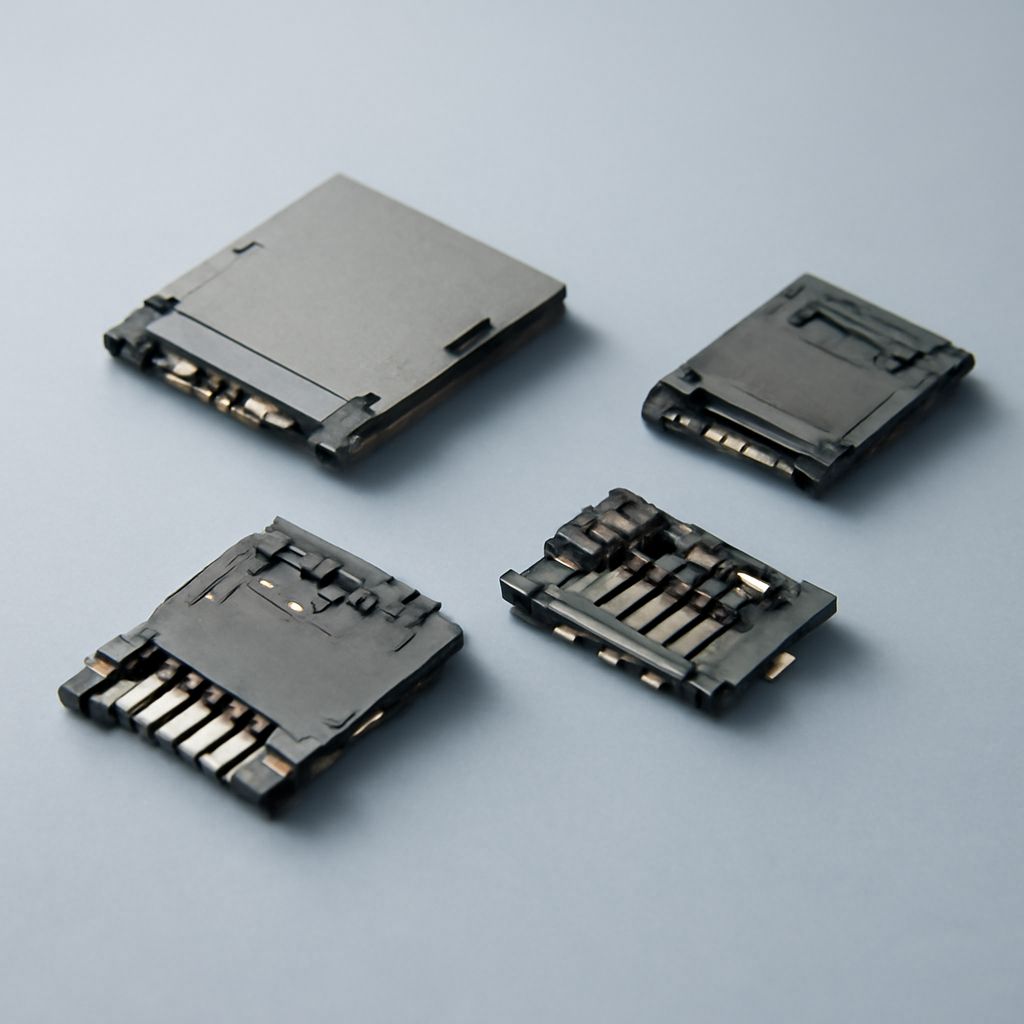
In the world of mobile technology, understanding the difference between an SD card and a SIM card can significantly enhance your digital experience. Whether you’re expanding storage or staying connected, knowing if a SIM card is the same as an SD card can save you time and money. This guide will demystify these tiny but crucial components.
By exploring how these cards function, you’ll gain clarity on their roles in your devices. You’re about to discover the key differences between SD cards and SIM cards, empowering you to make informed decisions for your tech needs.
Introduction to SIM and SD Cards
What is a SIM Card?
A SIM (Subscriber Identity Module) card is a small chip used in mobile phones. It holds your phone number, network details, and a limited amount of data. With a SIM card, your phone connects to the cellular network, enabling you to make calls, send texts, and access mobile data.
What is an SD Card?
An SD (Secure Digital) card is a portable storage device used to expand the memory of devices like cameras, smartphones, and tablets. It stores photos, videos, music, and files. Unlike SIM cards, SD cards don’t connect you to a network, but they do offer additional space for your digital life.
Difference Between SD Card and SIM Card
Functionality of SIM Cards
The primary function of a SIM card is to authenticate your identity to your mobile carrier. It manages your phone number and allows network access. SIM cards are essential for cellular communication and switching carriers without changing your device.
Functionality of SD Cards
SD cards serve as expandable storage. They’re useful when you need more space for apps, photos, or videos without upgrading your device. SD cards come in different capacities, making them flexible for various storage needs.
Is a SIM Card the Same as an SD Card?
Key Differences Highlighted
A SIM card is not the same as an SD card. While SIM cards facilitate network connectivity, SD cards enhance your device’s storage capacity. Knowing this difference helps you choose the right card for your specific needs.
Use Cases for Each Card
SIM cards are used in phones for communication. If you frequently travel or switch networks, a SIM card is indispensable. On the other hand, SD cards are ideal for photographers or anyone needing extra space for multimedia files. They’re versatile and crucial for data storage.
Conclusion: Choosing Between SIM and SD Cards
Factors to Consider
When choosing between SIM and SD cards, consider your primary need: connectivity or storage. Evaluate your device’s capabilities and your lifestyle requirements. Both cards play distinct roles, so understanding their functionality is key.
Final Thoughts
While both SIM and SD cards are integral to modern devices, they serve unique purposes. Choose a SIM card for network access and an SD card for extra storage. By recognizing their differences, you can enhance your tech experience effortlessly.