Portrait Photography Definition: Packages, Poses, and Female Portrait Techniques
The portrait photography definition — at its simplest — is the art of capturing a person’s likeness, personality, and mood through deliberate compositional and lighting choices. But understanding the portrait definition photography in professional practice goes beyond a dictionary entry: it encompasses session structure, client communication, pricing strategy, and the technical decisions that separate a snapshot from a portrait. Whether you are building portrait photography packages for a client-facing business, learning to approach full body portrait photography sessions with more confidence, or developing a specialty in female portrait photography — the principles of light, posing, and connection apply across every category of portrait work. A clear understanding of the genre sets the foundation for every commercial and personal portrait session you will ever shoot.
Understanding Portrait Photography Definition and Scope
The working portrait photography definition used by professionals includes three distinct subgenres: environmental portraits (subject in their natural context), studio portraits (controlled light, neutral background), and lifestyle portraits (candid moments with natural light). Each requires different gear, different client direction, and different post-processing approaches. Knowing which subgenre a client is actually asking for — even when they do not know the terminology — is the first skill a portrait photographer develops.
The portrait definition photography scope also includes commercial versus fine art. Commercial portrait work delivers images that serve a specific purpose: headshots for LinkedIn, author photos for books, corporate annual reports. Fine art portraits are compositionally and tonally driven rather than functionally driven. Most working photographers operate in the commercial space while incorporating fine art sensibility where clients allow it.
Full Body Portrait Photography Technique
Full body portrait photography requires more deliberate posing direction than head-and-shoulders work because the entire body — shoulders, hips, hands, feet — is visible and communicating. The most common error is allowing the subject to stand square-on to camera. Instead, rotate the hips 30–45 degrees to camera, keep the weight on the back foot, and angle the shoulders slightly. This creates a slimming diagonal line through the frame that flatters virtually every body type. For full body portrait photography in natural light, position the subject with the light source at 45 degrees to one side — this creates dimension rather than flat front-lighting.
Portrait Photography Packages and Female Portrait Techniques
Structuring portrait photography packages is a business skill as important as any technical ability. Standard tiers include a mini session (20–30 minutes, 5–10 edited images, no prints), a standard session (60–90 minutes, 20–30 images, print credit included), and a premium session (full day or extended session, full gallery, wall art consultation). Pricing portrait photography packages by value — the images the client walks away with — rather than by time aligns your pricing with client expectations and reduces price objections.
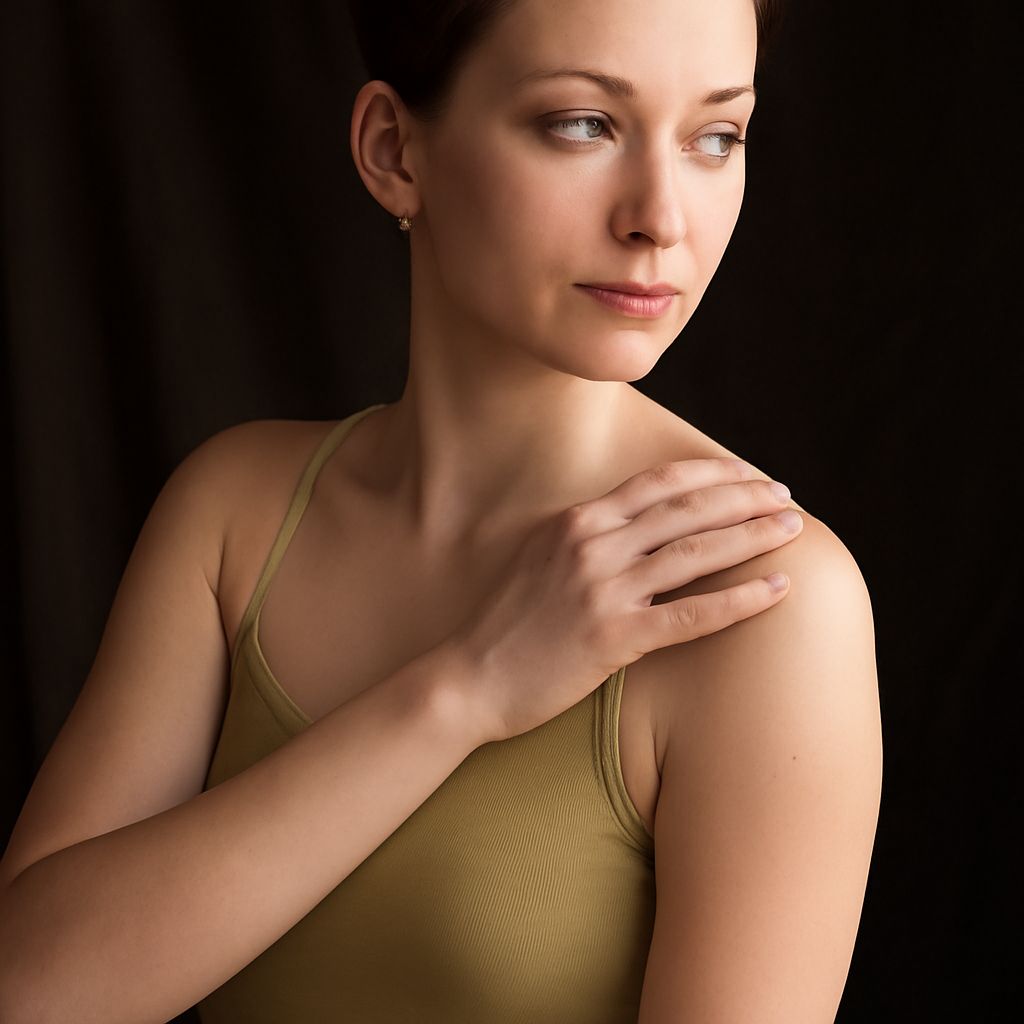
Female portrait photography requires specific attention to lighting quality and direction. Broad, soft light from a large modifier (a 60-inch octabox or a window with a diffusion panel) is the most universally flattering for skin texture. Avoid hard light from small sources unless you are deliberately creating a dramatic editorial effect. For female portrait photography, posing prompts that elicit genuine expression — asking the subject to tell you something funny, to walk toward you while laughing — produce more natural results than posed static positions. Key takeaways: master your portrait photography definition scope first, price your packages by delivered value, and use soft broad light as your baseline for all portrait work.